Tokyo's Yasukuni Shrine Hit by Cyberattack: Personal Data of 14,500 Members Leaked
Key Points
- Tokyo's Yasukuni Shrine revealed that a cyberattack on its online store leaked names, email addresses, and account passwords for approximately 14,500 registered members.
- The incident drew widespread attention in South Korea due to the shrine's contentious status and ongoing historical disputes surrounding wartime enshrinement.
- Yasukuni Shrine honors 14 Class-A World War II war criminals alongside about 20,000 forcibly conscripted Koreans whose families have long fought unsuccessfully for their removal.
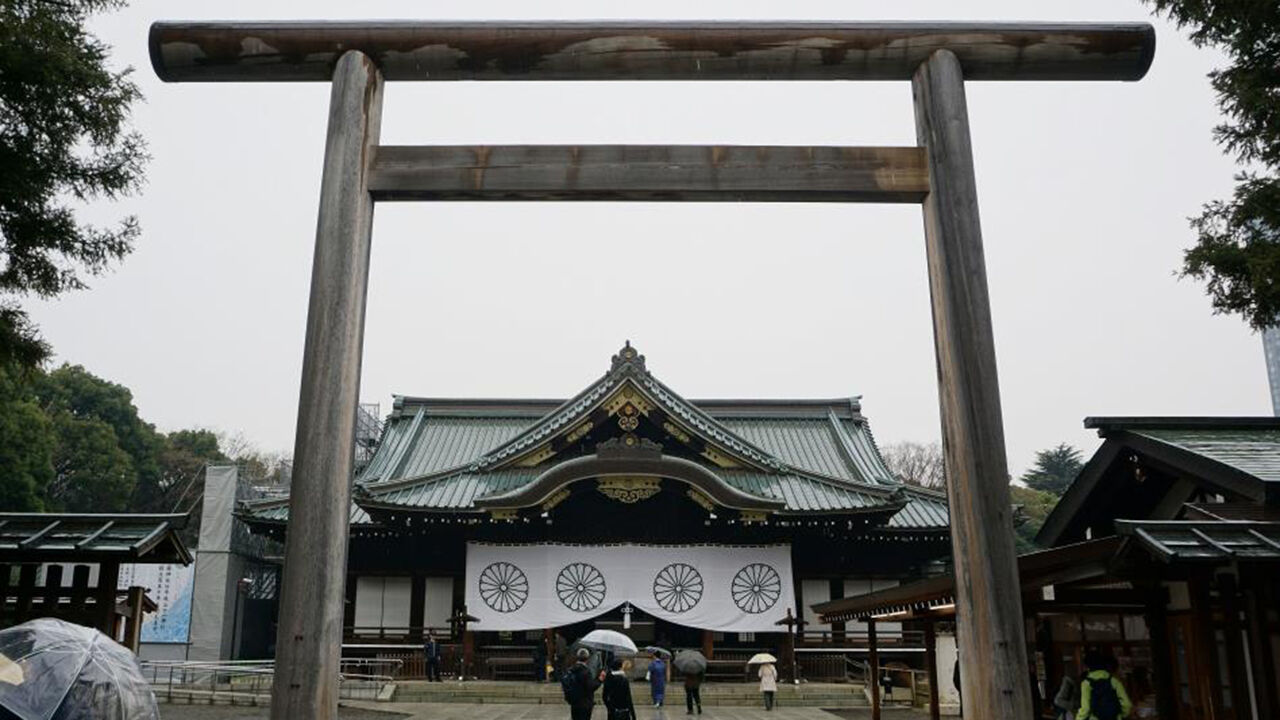
Summary The online store for Tokyo’s Yasukuni Shrine—a site historically associated with glorifying Japan's past wartime aggression—has suffered a cyberattack, resulting in a data breach affecting roughly 14,500 registered users.
According to an official announcement from the shrine, the breach occurred on its e-commerce website where visitors purchase amulets (omamori) and other shrine goods. The breach was detected following an attack on October 28. An internal investigation revealed that compromised data included member names, email addresses, and account passwords across approximately 14,500 accounts. The shrine confirmed that sensitive financial details, including credit card numbers and expiration dates, as well as personal identifying details like dates of birth, home addresses, and phone numbers, were not accessed.
In response to the incident, Yasukuni Shrine temporarily took down the affected service to investigate the root cause and issued a formal public apology to affected users. Shrine authorities also strongly urged users who reuse identical passwords across different online services to update them immediately to mitigate potential credential-stuffing attacks.
For international audiences, Yasukuni Shrine is not merely a place of worship; it remains one of East Asia's most sensitive diplomatic flashpoints. The shrine honors roughly 2.466 million war dead, but controversially includes 14 convicted Class-A World War II war criminals, such as wartime Prime Minister Hideki Tojo. Furthermore, the Japanese government historically supplied rosters of colonized soldiers—including approximately 20,000 Koreans who were forcibly conscripted during Japan's colonial rule—to the shrine. These Korean victims remain enshrined alongside the very military figures responsible for wartime atrocities, despite decades of persistent demands from surviving family members to remove their names. As a result, any news concerning Yasukuni Shrine attracts significant attention across Korean media and public discourse.
Sponsored · Ad