Two Tankers Hit by Mines in Strait of Hormuz as Iran Tightens Chokepoint Control
Key Points
- Iran's Islamic Revolutionary Guard Corps announced that two oil tankers, including a very large crude carrier, exploded after hitting naval mines in the Strait of Hormuz, with one vessel catching fire
- The incident highlights severe geopolitical friction following Iran's restrictions on US- and Israeli-linked vessels and US counter-blockades in the crucial energy transport lane.
- Energy transit through the Strait of Hormuz is closely monitored by global and East Asian economies that depend heavily on uninterrupted crude shipments from the Persian Gulf.
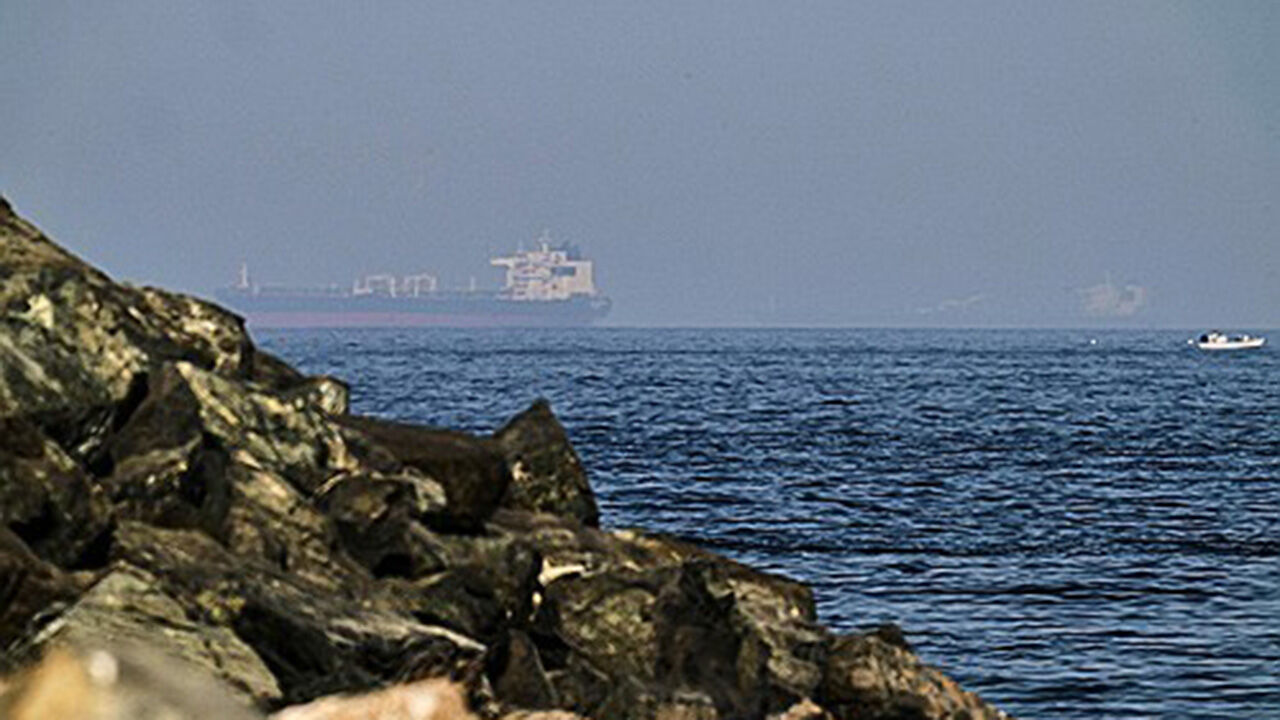
Summary Tensions in the Middle East have escalated further as Iran's Islamic Revolutionary Guard Corps (IRGC) announced that two oil tankers—including a very large crude carrier (VLCC)—were struck by naval mines in the strategic Strait of Hormuz, sparking a massive blaze on one of the vessels.
According to reports citing IRGC naval officials via their media outlet Sepah News, the vessels were allegedly traveling along unauthorized maritime corridors with their Automatic Identification Systems (AIS) turned off. The IRGC claimed that failure to comply with Iranian transit authorization led to the mine detonations, leaving the supertanker engulfed in heavy flames. Concurrently, the United Kingdom Maritime Trade Operations (UKMTO) reported a distress signal from a ship captain in the strait indicating another vessel had been hit by an unidentified projectile, though it remains unconfirmed whether this incident refers to the same mine strikes.
The Strait of Hormuz is one of the world's most critical maritime chokepoints, handling a vast portion of global petroleum shipments. Since military conflicts erupted in late February, Tehran has tightened control over the waterway, barring vessels associated with the United States and Israel while mandating that passing commercial ships obtain Iranian clearance. In response, the United States has enforced a naval blockade against Iranian ports while providing security passage for merchant ships navigating between non-Iranian ports.
For international audiences following South Korean news, coverage of Middle Eastern maritime security is watched closely due to South Korea's heavy reliance on imported crude oil and energy transit routes through the Persian Gulf. Disruption or heightened hostilities in the strait directly reverberate across Asian markets, making developments in the region a top item on major Korean news platforms despite taking place thousands of miles away.
Sponsored · Ad