Two Oil Tankers On Fire in Strait of Hormuz Following Suspected Iranian Attack
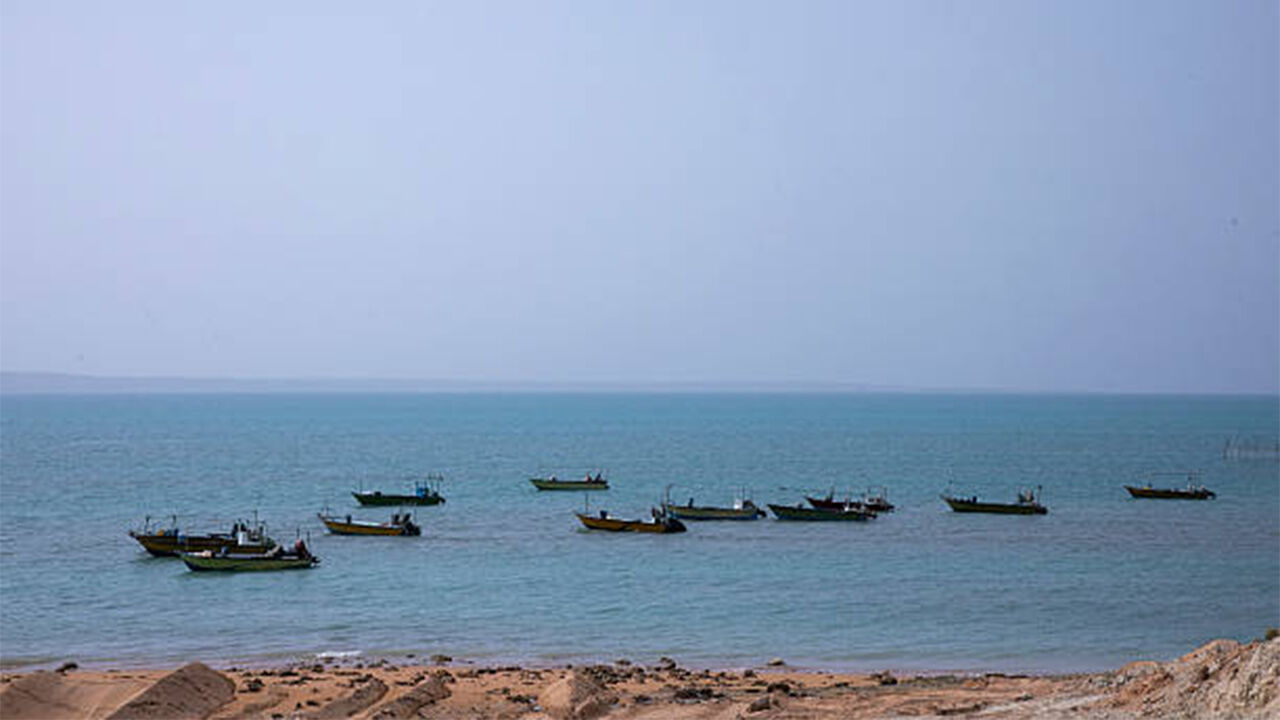
Key Points
- Two oil tankers caught fire and halted navigation in the Strait of Hormuz after allegedly ignoring radio warnings and deviating from Iranian-authorized routes.
- South Korean media is closely monitoring the situation as supply chain and energy security through the Strait of Hormuz directly impact Korea's economy.
- The incident follows escalating geopolitical confrontation in the region following the death of Iran's former Supreme Leader and retaliatory U.S. naval blockades.
Summary According to a report by South Korean broadcaster SBS, tensions in the Middle East have escalated following reports from Iran's Islamic Revolutionary Guard Corps (IRGC) that two commercial oil tankers caught fire and halted navigation in the strategic Strait of Hormuz. While the IRGC statement did not explicitly declare an armed strike, regional observers and Korean news analysts deduce that the vessels were attacked by Iranian forces, given that Tehran accused the tankers of deviating from authorized maritime corridors.
In their formal communique, the Revolutionary Guard claimed that the two non-compliant tankers attempted to traverse unauthorized transit lanes across eastern and western sectors of the strait before being brought to a standstill in southern waters. Iranian authorities asserted that both ships had intentionally switched off their automated identification and tracking systems and alleged they were attempting to maneuver through unapproved routes under the protection of U.S. forces. The IRGC noted that these ships continued navigating despite multiple radio warnings. This follows closely on the heels of Iranian military announcements that at least four other vessels had struck naval mines in adjacent waters just a day prior.
For South Korean audiences and global industry watchers alike, maritime security in the Strait of Hormuz is an issue of critical importance. South Korea relies heavily on Middle Eastern crude oil shipments navigating through this single, narrow maritime choke point to power its export-driven economy and heavy manufacturing sector. Any confrontation disrupting maritime traffic through Hormuz sends immediate ripples through Korean consumer sentiment, fuel prices, and financial markets, making breaking developments in the Persian Gulf front-page news across major Korean domestic outlets.
The latest friction points to a protracted conflict stemming from joint U.S. and Israeli airstrikes earlier in the year that led to the death of former Supreme Leader Ayatollah Ali Khamenei. In response to tightening Iranian controls over commercial sea lanes, the United States has enforced strict naval blockades around key Iranian ports to curb oil exports. With both sides engaging in asymmetric enforcement and blockades, global energy corridors remain under unprecedented strain.
Sponsored · Ad