Can an Iced Coffee Cost You the Job? The Debate Over Workplace Etiquette and 'Instant Rejection' in South Korea
Key Points
- A viral debate sparked by a US recruiting expert's warning against bringing iced coffee into job interviews has prompted deep discussion among job seekers and hiring managers.
- In South Korea, the topic went viral around the fear of 'gwangtal' (instant rejection), as interviewers heavily weigh etiquette, posture, and non-verbal cues.
- Experts highlight that while workplace formality is shifting globally, unwritten professional norms still heavily influence how a candidate's dedication and sincerity are judged.
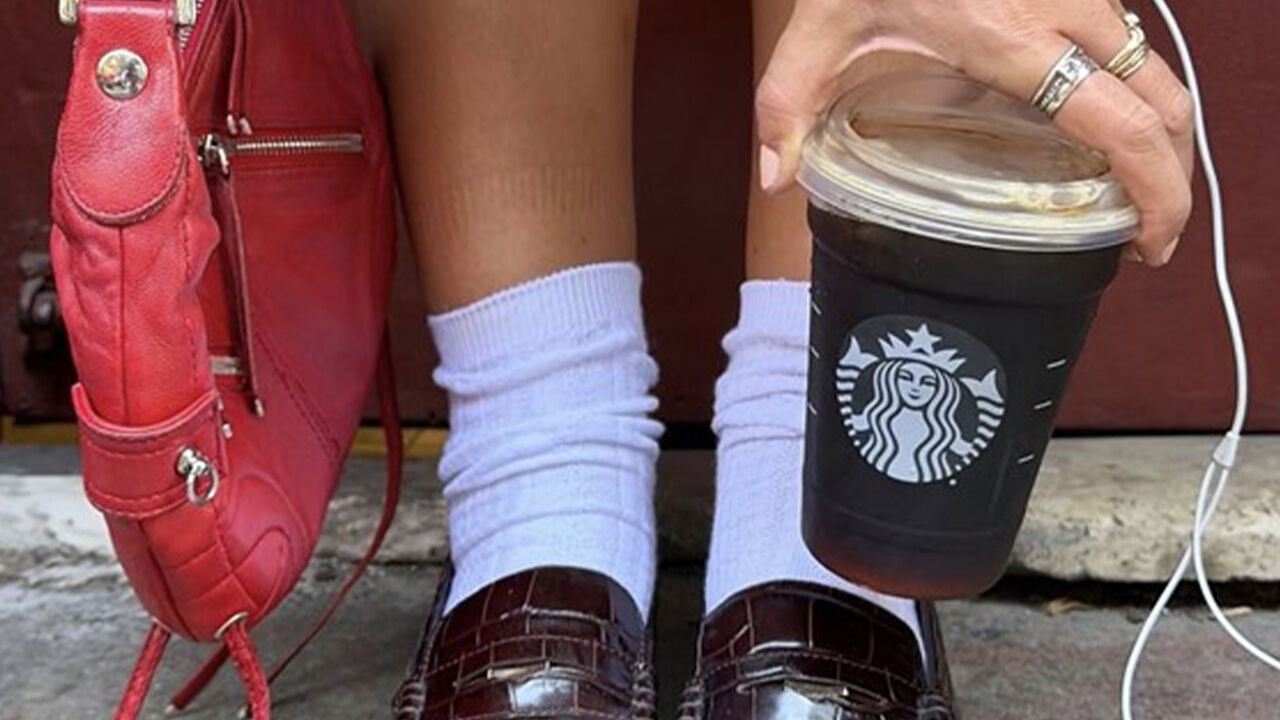
Summary A simple cup of iced Americano has sparked an intense global conversation about workplace norms, interview etiquette, and unspoken professional expectations—especially in South Korea. The debate originally ignited when American corporate recruiting expert Caitlin Weeniehan shared on TikTok that walking into a job interview carrying an iced coffee or latte gives a terrible impression, making it seem as if the critical interview is merely a casual "errand" or quick stop on a candidate's daily checklist. While some Western commentators pushed back, asking whether hiring managers are evaluating job competence or policing beverages, the discussion took on an even sharper edge when examined through the lens of South Korean hiring culture.
In South Korea, job candidates frequently navigate a hyper-competitive recruitment landscape where the slang term "gwangtal" (광탈)—meaning being eliminated instantly or rejected immediately—haunts job seekers. The headline premise that walking in with a coffee guarantees instant disqualification resonates deeply because Korean corporate culture places immense weight on unwritten rules of etiquette, decorum, and non-verbal cues. Kwak Keum-joo, an emeritus professor of psychology at Seoul National University, noted that while norms around casual attire and flexibility are gradually shifting, Korean interviewers still hold strong expectations regarding politeness, tidy dress, and respectful posture. Entering a formal interview with an iced coffee in hand can easily trigger discomfort among interviewers, reading as a lack of preparation or seriousness.
The controversy ultimately reveals a fundamental divide between applicants and employers. Job seekers argue that bringing a beverage has nothing to do with functional skills and that arriving on time with coffee might even demonstrate time management. However, experts point out that because qualities like passion, diligence, and integrity cannot be measured purely through resume scores or multiple-choice tests, interviewers inevitably rely on non-verbal behavior—such as greeting receptionists, waiting posture, and overall formality—to gauge a candidate's attitude.
Ultimately, the debate highlights the ongoing challenge facing modern companies in Korea and beyond: discerning genuine professional capability from polished interview techniques. As workplaces adopt remote work, video calls, and flexible dress codes, the boundaries of what constitutes "professional behavior" continue to evolve. Yet in high-stakes Korean interview settings, the calculated risk of leaving the iced coffee outside remains the prevailing wisdom for job seekers aiming to avoid immediate elimination.
Sponsored · Ad