Hackers Crank French Supermarket Freezers to 50°C in Bizarre Cyberattack
Key Points
- Hundreds of supermarkets across France suffered an unprecedented cyberattack that cranked refrigeration temperatures up to 50°C, spoiling massive amounts of food.
- The event gained widespread attention in Korean news as a startling example of cyberattacks directly targeting retail infrastructure and daily food supplies.
- Investigators discovered hackers exploited legacy cooling systems from Danish maker Danfoss that lacked security updates, sparking wider European investigations.
Summary A bizarre and unprecedented cyberattack hit hundreds of supermarkets across France, where hackers breached refrigeration control systems and jacked temperatures up to a scorching 50 degrees Celsius (122°F). The sudden heat surge transformed frozen aisles into sweltering ovens overnight, forcing retailers to dump colossal amounts of spoiled fresh and frozen groceries.
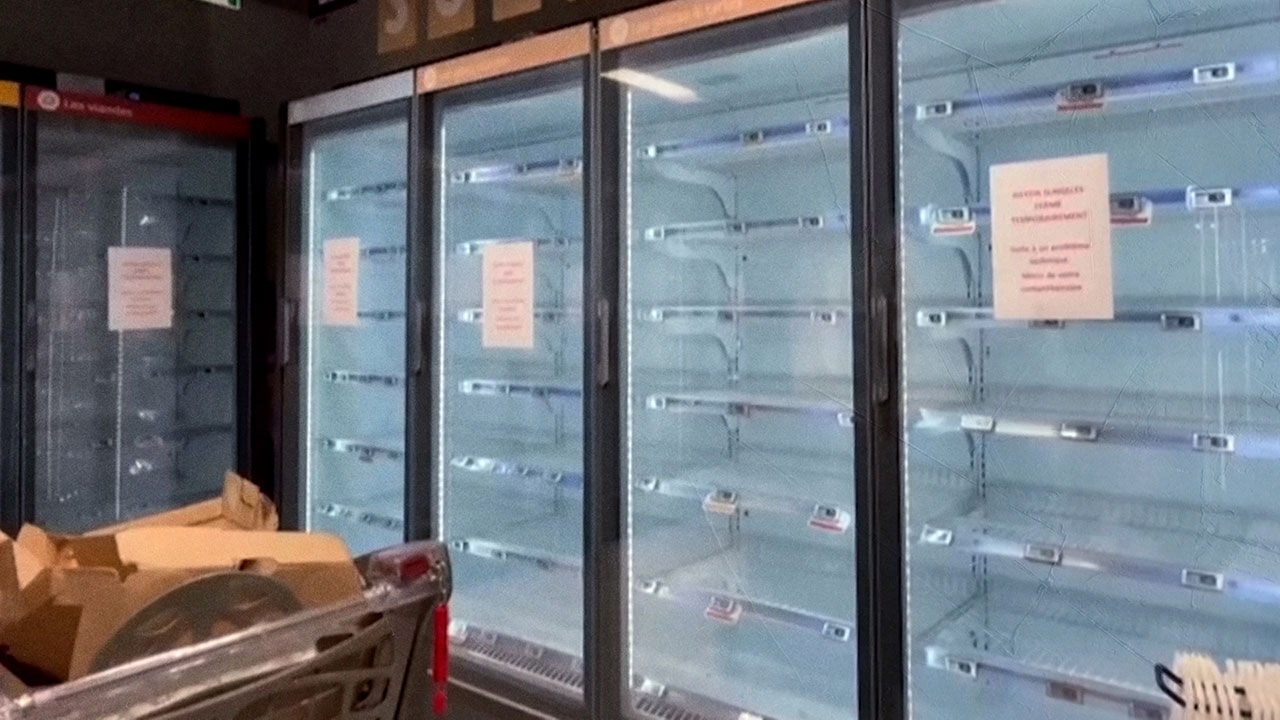
The incident occurred between the night of October 11 and October 12, leaving shoppers greeted by empty shelves and taped-off display cases bearing notices of technical malfunctions. Major retail giants across France—including Carrefour, Monoprix, Intermarché, and Coopérative U—were simultaneously impacted. Store managers reported having to throw away virtually their entire stocks of fresh produce, dairy, meats, and frozen goods, with nationwide damages estimated between millions and tens of millions of euros.
According to French authorities, the breach exploited severe security flaws in automated refrigeration management systems manufactured by Danish corporation Danfoss. In response, Danfoss clarified that the affected hardware involved legacy units that were no longer supported with modern security updates. Cybersecurity analysts warned that the attack may have extended beyond France, raising alerts for similar vulnerabilities across Spain, Portugal, Poland, Germany, and Belgium.
The French Prime Minister's Office confirmed it is coordinating closely with European partners to assess damages and identify other exposed systems. While the perpetrators and their motives remain unknown, the incident has sounded alarms among international observers and Korean media alike, demonstrating how evolving cyber warfare and infrastructure tampering can directly jeopardize retail supply chains and food security.
Sponsored · Ad