From Counterfeiting to Crypto Heists: How North Korea Built an Industrial Cyber-Looting Machine
Key Points
- North Korea has been implicated in a historic $6.3 billion hack on cryptocurrency exchange Binance, with analysts revealing the regime stole approximately $2 billion last year alone—roughly 60% of all
- The stolen digital funds are estimated to provide half of North Korea's foreign currency earnings and fund about 40% of its weapons programs.
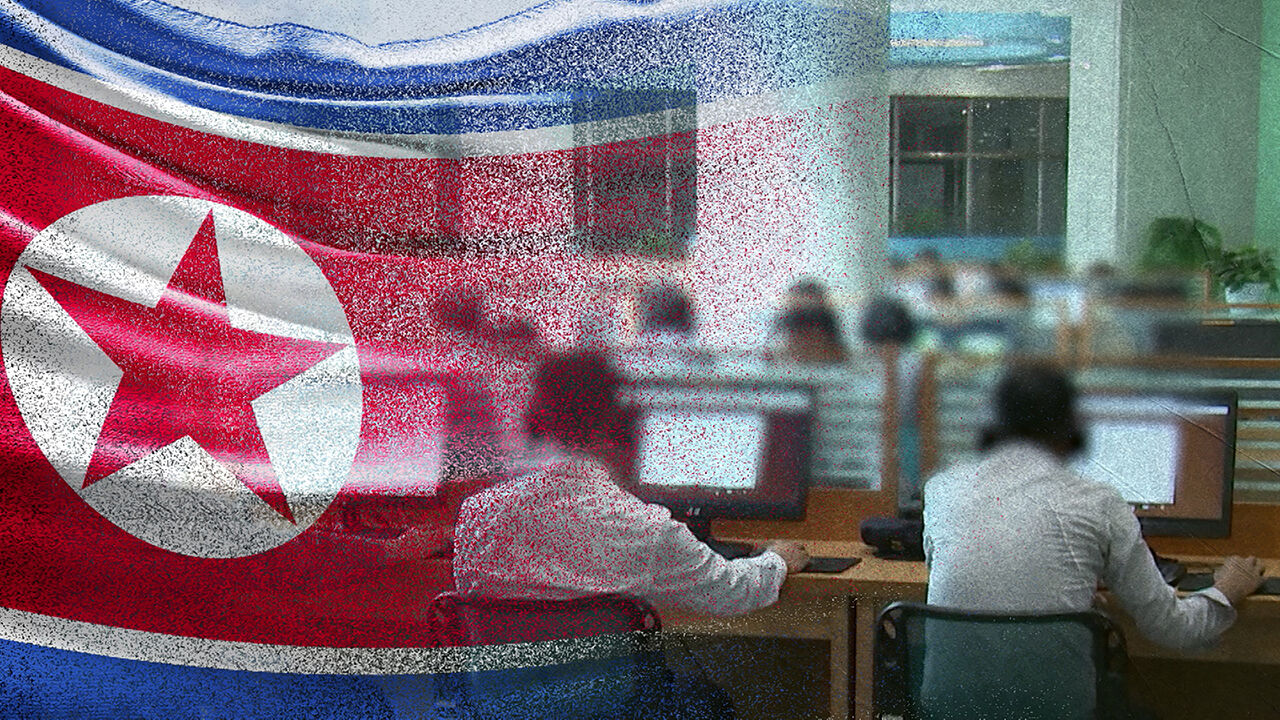
- Pyongyang has systematically industrialized cybercrime into a core state industry, scouting math prodigies from childhood to feed state-backed hacking syndicates like Lazarus.
Summary North Korea's state-sponsored cyber operations have effectively industrialized cryptocurrency theft as a core national enterprise, turning digital heists into a vital lifeline for foreign currency. Following allegations implicating Pyongyang in a staggering $6.3 billion (approx. 8.4 trillion KRW) hack targeting Binance—the world's largest cryptocurrency exchange—international attention has once again zeroed in on North Korea's cybercrime apparatus. This single incident alone represents roughly one-fifth of the regime's total Gross National Income (GNI).
According to blockchain analytics firm Chainalysis, North Korean hackers plundered an estimated $2 billion (approx. 2.9 trillion KRW) in virtual assets last year alone, accounting for around 60% of all cryptocurrency stolen worldwide. United Nations Security Council (UNSC) panel reports spanning 2017 to 2023 document at least 58 attacks on crypto platforms tied to Pyongyang, totaling roughly $3 billion. U.N. experts estimate that stolen digital currencies generate roughly half of North Korea's total foreign exchange revenue, with approximately 40% of the regime's weapons program funded by cyber loot.
This sophisticated apparatus is built through systematic talent scouting. Gifted students showing early aptitude in mathematics and science are recruited for intensive 3-to-5-year cyber warfare training, later advancing to elite military and academic institutions such as Pyongyang's Moranbong University, which runs a 5-year specialized curriculum combining military strategy, hacking, and cryptography. Top operatives even receive advanced instruction in China and Russia. Operating under direct state sanction, these operatives face zero domestic legal repercussions, giving them free rein to execute bold, high-stakes strikes globally.
North Korea's reliance on illicit foreign currency operations—termed 'oehwa-beori' (foreign currency earning)—has evolved over decades. In the 1990s, the regime produced counterfeit $100 bills known as 'Supernotes,' transitioning in the 2000s to narcotics trafficking before fully shifting to cyberspace. From the high-profile 2014 Sony Pictures hack to the 2022 $620 million Ronin Network breach and massive exchange heists by subgroups like TraderTraitor, cyber theft has become Pyongyang's primary digital export. Cybersecurity analysts warn that the rapid integration of artificial intelligence is now automating attack vectors, granting North Korean hackers unprecedented capabilities.
Sponsored · Ad