China Reaffirms 'Unshakeable' Alliance Following Kim Jong Un's Surprise Border Visit
Key Points
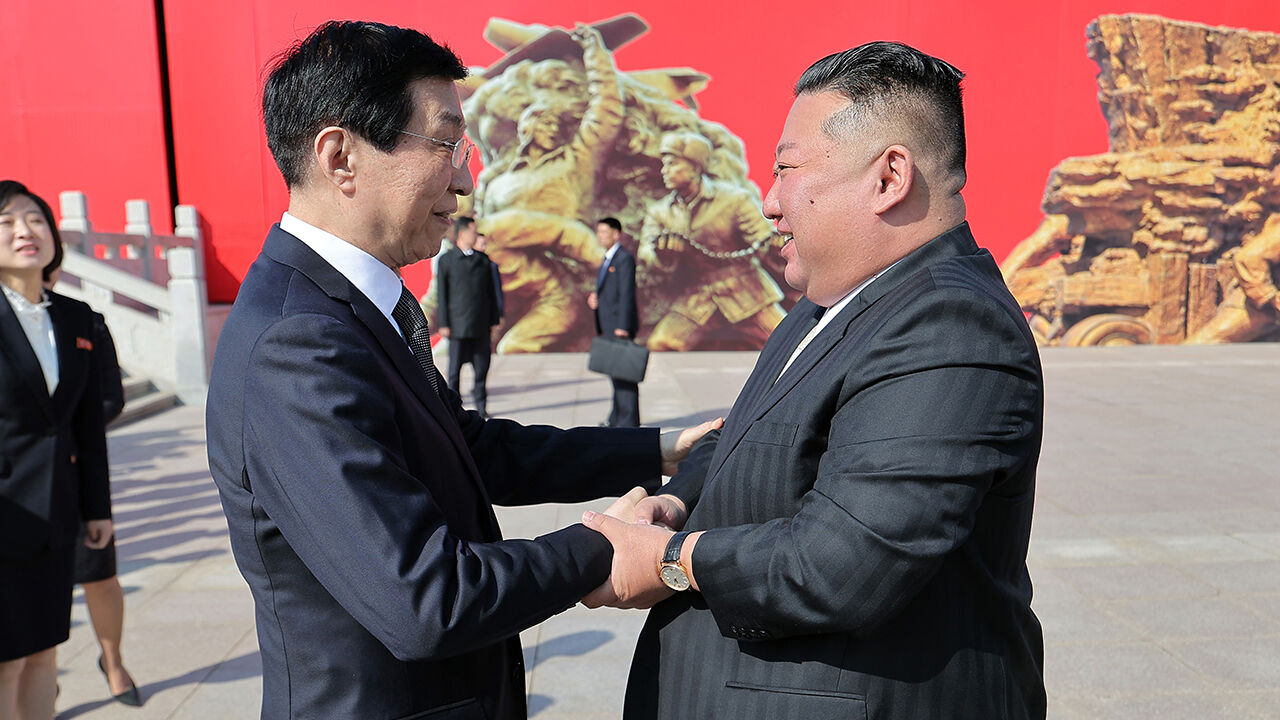
- North Korean leader Kim Jong Un crossed into Dandong, China via the New Yalu River Bridge for a surprise one-day visit to honor Chinese soldiers who fought in the Korean War.
- China's Foreign Ministry reaffirmed that fostering robust ties with Pyongyang remains an unwavering strategic policy, though it declined to clarify which side initiated the summit.
- The visit highlighted the historical 'blood alliance' and anti-American wartime cooperation between the two nations, while also signaling potential economic discussions following an inspection of a lo
Summary North Korean leader Kim Jong Un made an unannounced cross-border visit to Dandong in China's Liaoning Province, reaffirming traditional alliance ties between Pyongyang and Beijing. Crossing via the New Yalu River Bridge from Sinuiju, North Pyongan Province, Kim met with Wang Huning, the fourth-ranking official in the Chinese Communist Party hierarchy and chairman of the Chinese People's Political Consultative Conference. The brief, single-day trip centered on paying respects at the Memorial Hall of the War to Resist U.S. Aggression and Aid Korea, coinciding with the anniversary of China's entry into the Korean War.
When asked about the sudden meeting during a regular press briefing, Chinese Foreign Ministry spokesperson Guo Jiakun reiterated Beijing's long-standing position, emphasizing that developing and maintaining robust ties between China and North Korea is an 'unshakeable strategic policy' of the Chinese Party and government. While Beijing declined to specify which side initiated the invitation, it underlined that the continued healthy, stable development of bilateral cooperation serves regional peace, stability, and mutual prosperity.
Beyond the formal commemorative events honoring Chinese People's Volunteers, Kim and Wang also inspected a bus assembly plant in Dandong. Observers note that while North Korean state media framed the trip around historical solidarity and the ideological concept of 'blood alliance' (혈맹, hyeolmaeng)—originating from the Korean War—the tour also signals potential ongoing behind-the-scenes discussions regarding economic and trade cooperation, alongside a public showcase of bilateral solidarity on the international stage.
Sponsored · Ad