Japan Rejects Russian Espionage Allegations Following Detention of Hokkaido Shimbun Journalist
Key Points
- Russian authorities in Sakhalin arrested a Hokkaido Shimbun correspondent on espionage charges, prompting Japanese Prime Minister Sanae Takaichi to firmly deny any state espionage activities.
- The arrest is drawing major attention across East Asian media as it marks a serious escalation in deteriorating Japan-Russia relations following reciprocal sanctions and territorial friction.
- The standoff comes alongside mounting military friction over the disputed Kuril Islands (Northern Territories), where Russia recently announced bomber drills and airspace closures following joint Japa
Summary Diplomatic tensions between Tokyo and Moscow have sharply escalated following the arrest of a Japanese correspondent in Russia on espionage allegations. The journalist, an accredited Russian correspondent for Japan’s Hokkaido Shimbun, was detained in Sakhalin on October 13, triggering swift condemnation from the Japanese government and international press freedom advocates.
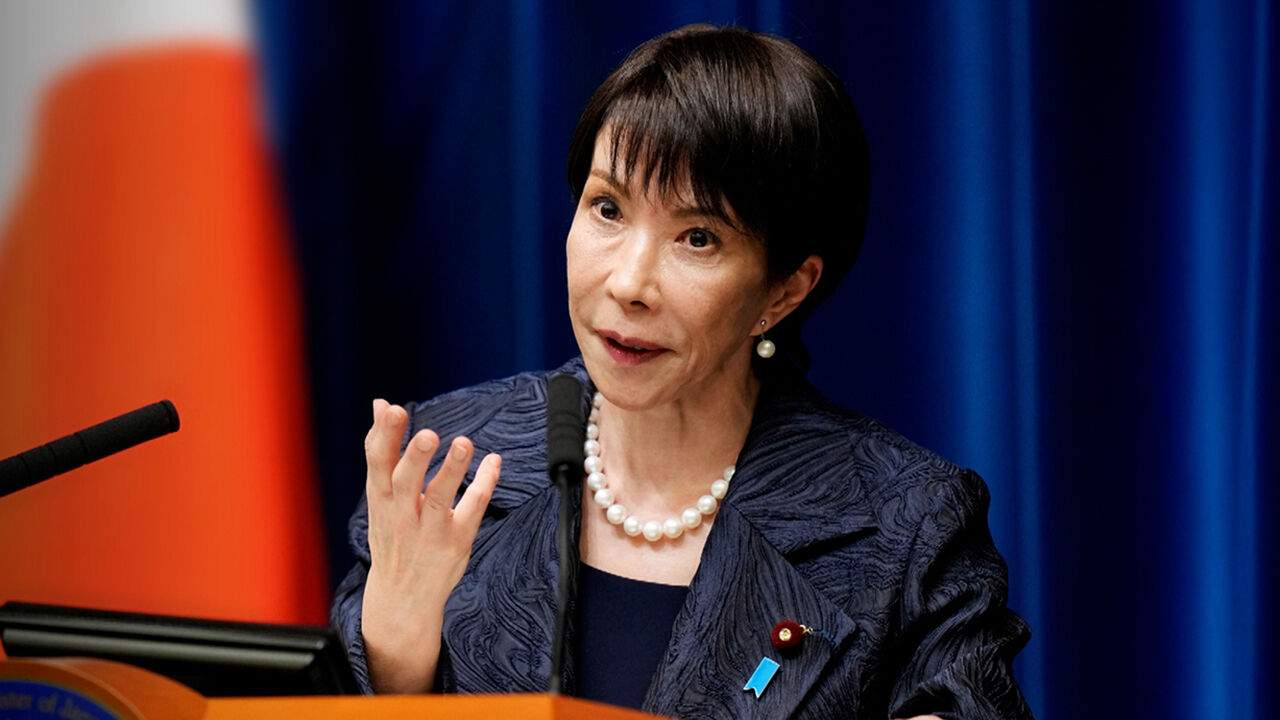
Addressing reporters at the Prime Minister's Official Residence, Japanese Prime Minister Sanae Takaichi firmly rejected the espionage claims, stating categorically that Japan conducts no state-sponsored spying operations in Russia. While acknowledging that legal interpretations and domestic statutes vary across nations, Takaichi stressed that protecting Japanese citizens abroad remains her administration's utmost priority, with the Ministry of Foreign Affairs actively seeking consular access.
The incident unfolds against a backdrop of severely deteriorating bilateral ties following Russia’s invasion of Ukraine and subsequent Japanese sanctions against Moscow. Friction further intensified following Russian President Vladimir Putin's visit to Iturup Island in August, joint military drills conducted by Japan, the United States, and Australia near the contested Kuril Islands, and Tokyo's recent ban on servicing 35 Russian vessels. In response, Russia scheduled bomber exercises and airspace closures across the disputed islands—referred to as the Northern Territories in Japan—drawing sharp diplomatic protests from Tokyo.
Global media watchdogs have voiced deep alarm over the detention. The Committee to Protect Journalists (CPJ) issued an urgent plea calling for the reporter's immediate and unconditional release. Meanwhile, Japanese Chief Cabinet Secretary Minoru Kihara expressed deep regret that Tokyo has yet to secure direct consular contact, affirming that diplomatic channels remain intensely engaged to verify the journalist's health and safety.
Sponsored · Ad