Wild Monkeys Invade Japanese Towns, Vandalizing Cemeteries and Attacking Residents as Abandoned Homes Spread
Key Points
- Wild monkeys in Japan are invading residential areas, injuring a resident in Yamaguchi Prefecture and toppling headstones in Gifu Prefecture cemeteries.
- Korean media and viewers took notice of the bizarre phenomenon as security footage and reports revealed monkeys jumping on cars, dismantling graves, and startling locals.
- A year-long GPS tracking study revealed that Japan's rising number of abandoned houses provides ideal shelter and fruit trees for monkeys, exacerbating human-wildlife conflict during the aggressive au
Summary Wild monkeys are increasingly encroaching on residential neighborhoods across Japan, causing physical injuries to locals, vandalizing graveyards, and alarming residents who find the animals wandering near their doorsteps and resting on cars.
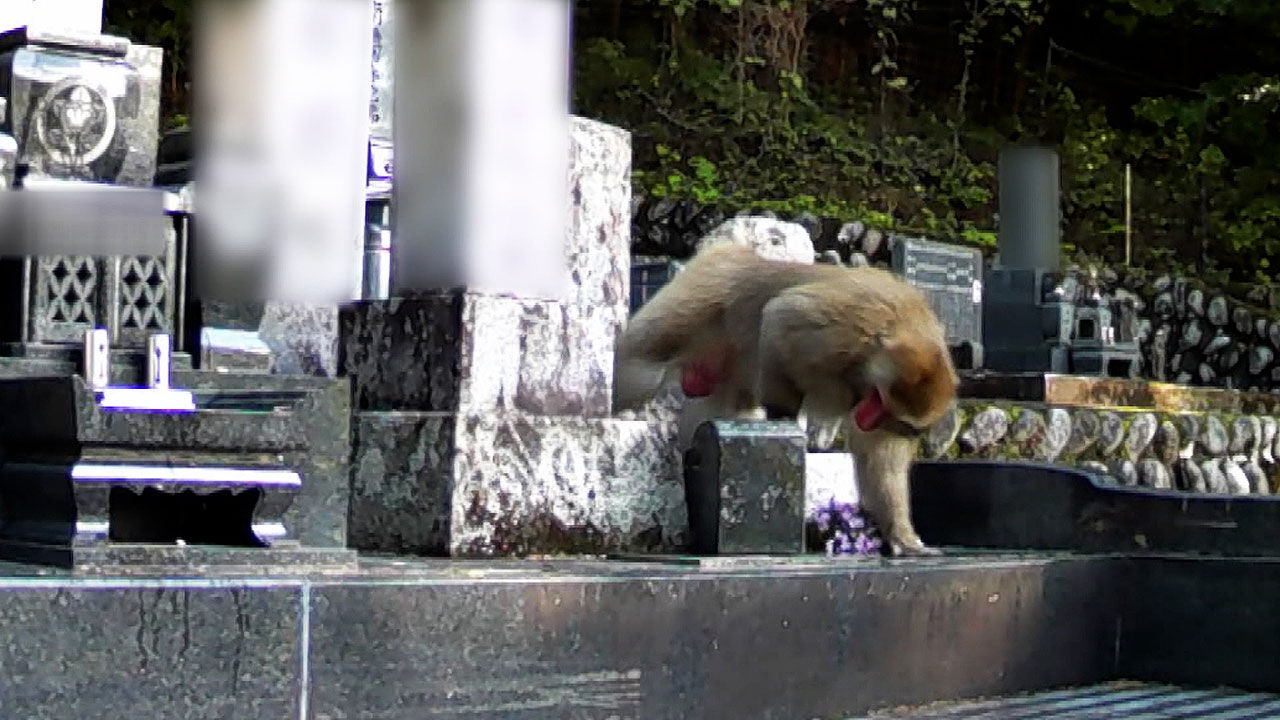
According to a report broadcast by SBS News, the intrusions have escalated from peaceful sightings in mountainous areas to bold disturbances in urban and suburban communities. In Yamaguchi Prefecture, a resident was injured after being ambushed by a monkey leaping from a rooftop, leaving him shaken and scrambling for shelter indoors. Meanwhile, in Gifu Prefecture, cemetery managers and families have faced unusual property damage: monkeys have been spotted leaping atop stone headstones, toppling stone monuments, and yanking artificial ceremonial flowers directly out of graves. Even after caretakers tied grave structures with heavy ropes and installed warning alarms, fear and frustration remain widespread among locals.
Wildlife researchers who tracked the monkeys using GPS collars over a full year pointed to a distinct socio-demographic trigger: Japan's growing number of abandoned homes (*akiya*). Uninhabited residences offer safe, quiet shelters with minimal human disturbance, while unharvested persimmon and chestnut trees left behind in overgrown yards provide an abundant food source.
Experts warn that human-wildlife encounters will likely become more frequent as these vacant rural and semi-rural properties multiply. Furthermore, because monkeys enter their breeding season in autumn and winter, their temperaments turn significantly more aggressive and unpredictable. Specialists advise residents and hikers never to make direct eye contact or approach to take photos, as monkeys interpret such gestures as hostile challenges.
Sponsored · Ad