Deadly Flash Floods Strike Nepal Again, Deepening Grief Over Missing South Korean Hydroelectric Workers
Key Points
- A massive flash flood and landslide swept through Nepal's Gorkha district, destroying dozens of homes, multiple bridges, and hydroelectric facilities while leaving at least 10 missing.
- The incident is drawing intense public attention in Korea because nine South Korean energy workers from Doosan Enerbility and Korea South-East Power remain missing from a nearly identical disaster jus
- Officials suspect glacial melt burst a natural high-altitude dam, mirroring the August 26 Trishuli River catastrophe that devastated the region.
Summary Tragedy has once again struck Nepal as massive landslides and flash floods tore through mountain settlements, just two months after a catastrophic disaster claimed more than 1,400 lives across the region. According to reports by SBS News correspondent Han Sang-woo, a torrent of mud and debris surged through the Budhi Gandaki River basin, engulfing villages across the Gorkha district.
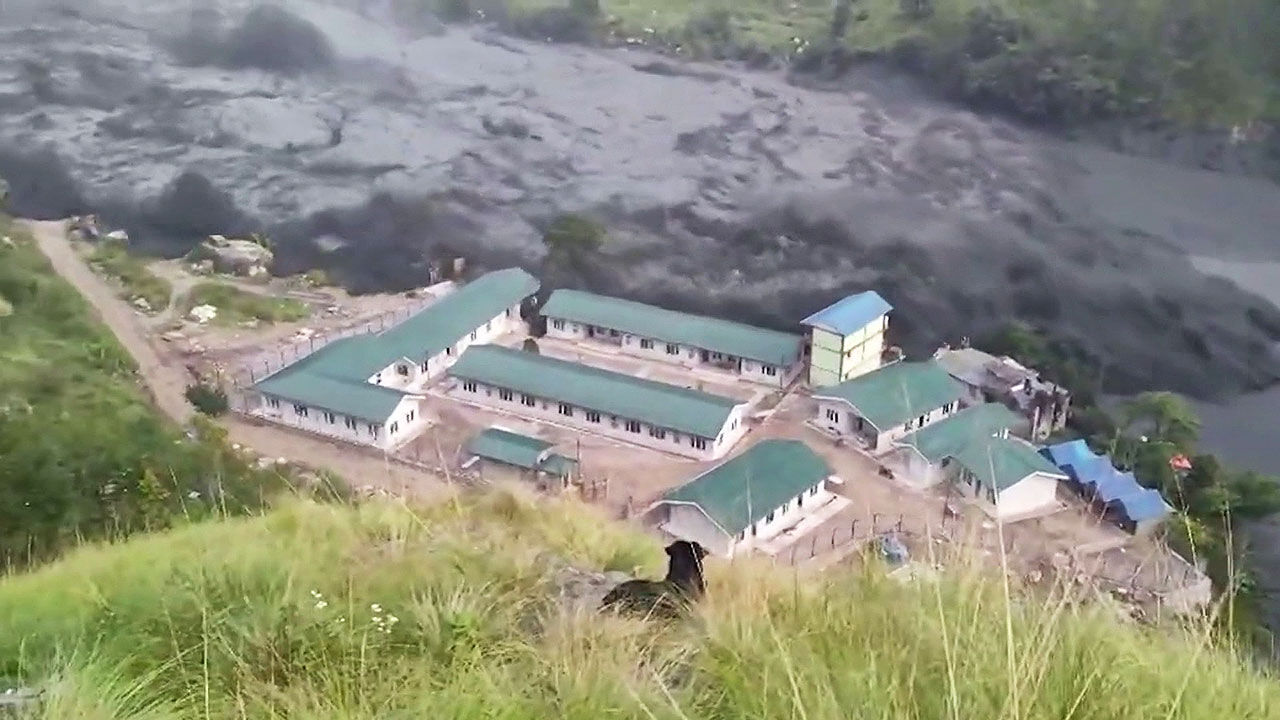
Eyewitness and military footage captured a terrifying wall of dark, sediment-laden floodwaters violently crashing down mountain gorges. Green-roofed buildings were swallowed whole in seconds, and multiple bridges as well as key hydroelectric power infrastructure collapsed under the immense pressure. Local authorities confirmed that dozens of homes have been flattened. While the Nepalese military deployed helicopters and ground forces to rescue 49 stranded survivors, at least 10 people remain missing, with officials warning the casualty count may rise as search efforts continue in the rugged terrain.
Government officials in Nepal suspect that the disaster was triggered when a natural dam in the high-altitude mountains—formed by glacial melt—burst under landslide pressure, releasing an uncontrolled surge downstream. The devastation bears an eerie resemblance to the deadly floods along the Trishuli River basin on August 26, which left over 1,400 dead and 6,600 missing across Nepal and Tibet's Gyirong County.
This recurring disaster has deeply reverberated across South Korea due to a painful ongoing connection: during the August catastrophe, nine South Korean energy workers—six from Doosan Enerbility and three from Korea South-East Power—who were stationed in Nepal to build a hydroelectric plant went missing in the floods. As search operations for those workers remain stalled without closure, news of yet another glacial flood wiping out nearby infrastructure has reignited sorrow and concern among the South Korean public, underscoring both the immense human toll and the shared risks faced by international engineering teams in vulnerable mountain regions.
Sponsored · Ad