"The More, the Better": Nvidia's Jensen Huang Dismisses 2029 Memory Oversupply Fears, Soothing Korean Chipmakers
Key Points
- Nvidia CEO Jensen Huang dismissed predictions of a 2029 memory oversupply during a CNBC interview at GTC in Berlin, affirming that memory demand will keep climbing.
- The remarks ease mounting anxieties in South Korea over a potential end to the semiconductor 'supercycle' that heavily influences giants Samsung Electronics and SK Hynix.
- Huang confirmed strong ongoing demand for HBM and LPDDR chips, while noting an open mind toward sourcing from rising Chinese memory makers like CXMT.
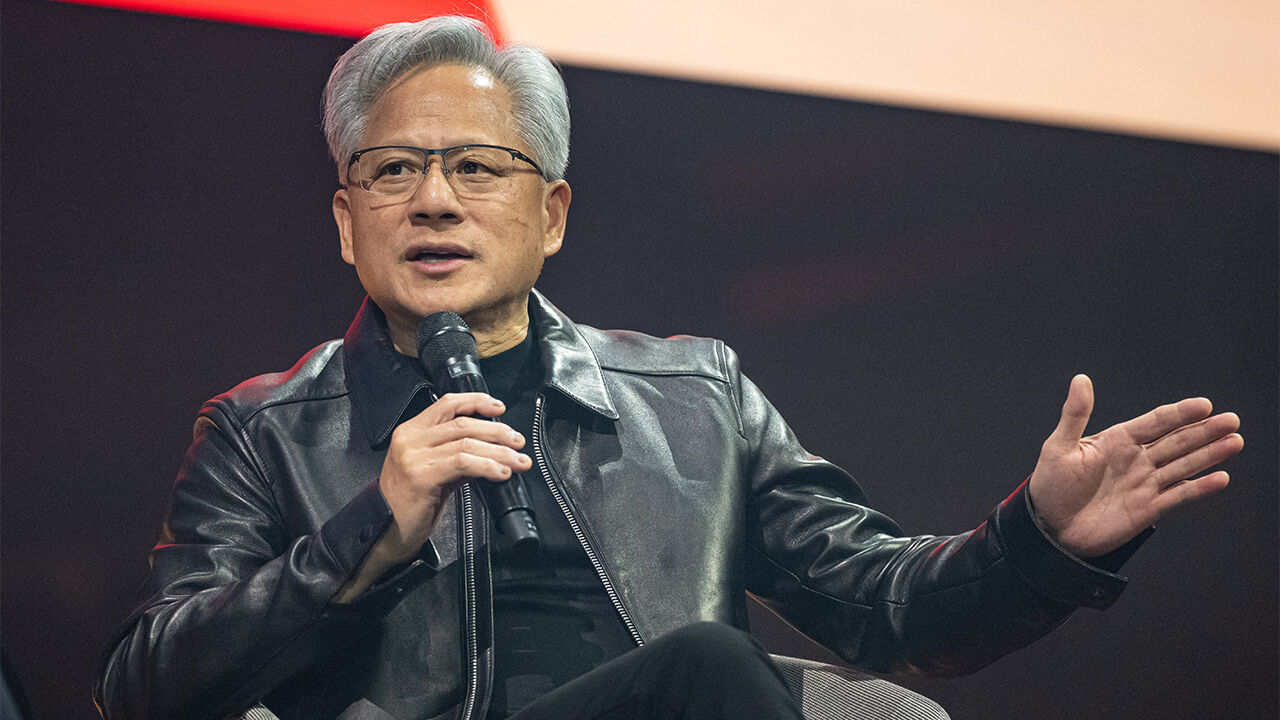
Summary Nvidia CEO Jensen Huang has dismissed brewing concerns over a potential memory chip supply glut by 2029, offering a reassuring outlook for global tech supply chains and South Korea's premier semiconductor powerhouses. Speaking in an interview with CNBC at Nvidia's GTC developer conference in Berlin, Germany, Huang made his stance clear regarding whether the industry is heading toward an oversupply: "I don't think so." Instead, he characterized memory demand with the timeless principle that "the more, the better," projecting that appetites for computing memory will only continue to accelerate.
Huang's comments directly counter pessimistic projections that had begun circulating in South Korea, where market watchers worried that the memory market could degenerate into an oversupplied "red ocean" by 2029, prematurely ending the current AI-driven "supercycle." In South Korea, semiconductors—spearheaded by giants Samsung Electronics and SK Hynix—are widely regarded as the cornerstone of the national economy and public retail investment portfolios. A potential peak or downturn in chip cycles routinely becomes headline news across society. As the world's most dominant corporate buyer of cutting-edge memory, Nvidia's vote of confidence significantly calms investor anxieties over future growth.
Crucially, Huang affirmed that High Bandwidth Memory (HBM)—the sophisticated, high-performance stacking architecture vital for training and running generative artificial intelligence models—will remain indispensable "for years to come." Furthermore, he emphasized that Nvidia plans to continuously consume massive volumes of Low-Power Double Data Rate (LPDDR) memory alongside HBM.
However, Huang also delivered a nuanced message regarding industry competition that is bound to keep South Korean chipmakers on alert. When asked whether Nvidia is open to sourcing memory chips from ChangXin Memory Technologies (CXMT), a rapidly ascending Chinese competitor, Huang responded that the company naturally maintains "an open mind." Praising China's formidable baseline technological capabilities, he observed that existing regulatory measures against Beijing have inadvertently accelerated China's domestic semiconductor self-sufficiency. Meanwhile, Huang also came to the defense of surging "neocloud" providers such as CoreWeave, Nebius, and Iris, arguing that their extraordinary demand is literally off the charts, with working capital—not market demand—being their sole operational bottleneck.
Sponsored · Ad