Accidental Hijack Signal from Passenger Jet Triggers Fighter Jet Scramble and Airport Lockdown in Germany
Key Points
- A Corendon Airlines flight from Greece to Germany accidentally broadcast squawk code 7500, the international emergency signal for a hijacking in progress.
- The incident gained viral attention in international news coverage due to the dramatic escalation that involved scrambling Croatian and German fighter jets, shutting down Nuremberg Airport, and deploy
- Authorities took extreme precautions because radio communication was lost alongside the cockpit-originated hijack code, though the airline ultimately confirmed the distress alert was caused by a commu
Summary A dramatic airborne scare unfolded over European skies after a passenger flight bound for Germany accidentally transmitted an aviation emergency hijack code, prompting fighter jets to scramble and triggering a full airport lockdown.
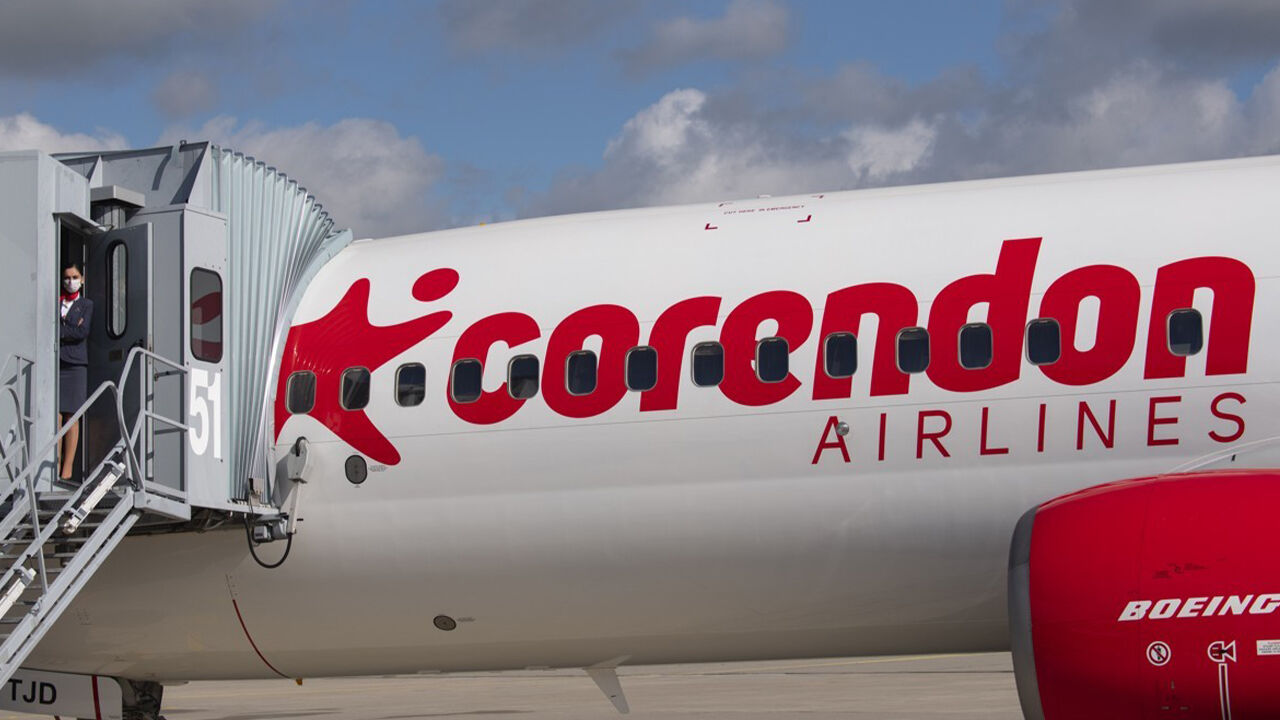
According to reports citing the Associated Press and local authorities, the incident occurred aboard a Corendon Airlines Boeing 737-800 carrying 178 passengers and crew from Corfu, Greece, to Nuremberg, Germany. While cruising through Croatian airspace, the airliner's transponder suddenly broadcast emergency code '7500'—the universally recognized squawk code reserved specifically for unlawful interference and aircraft hijacking.
The alarming alert immediately set international defense protocols into motion. Both Croatian and German air force fighter jets scrambled in succession to intercept and escort the passenger plane. Meanwhile, authorities shut down operations at Nuremberg Airport to secure the runway and prepare for an emergency intervention. Once the aircraft landed under armed military escort, heavily armed special tactical police stormed the tarmac to inspect the cabin and verify whether hostages had been taken.
Officials quickly determined that there was no security threat onboard. Corendon Airlines explained that the distress signal had been mistakenly triggered due to a communications system glitch. However, police spokesperson Michael Petzold emphasized that aviation authorities had no choice but to prepare for the absolute worst-case hostage scenario, noting that the hijack alert had been transmitted directly from the cockpit while simultaneous radio contact with air traffic control was severed. Heightened regional tensions and recent scares—including a recent attempted hijacking on a Flydubai flight—further amplified the urgency of the response. For Korean audiences following international affairs and viral real-time alerts, the bizarre high-stakes false alarm drew intense fascination over the precision and swiftness of emergency air defense measures.
Sponsored · Ad