Deadly High-Speed Train Collision in Spain Sparks Scrutiny Over Rail Maintenance and Systemic Failures
Key Points
- A Renfe high-speed train collided into a stationary train on the Madrid-Andalusia route following a computer signaling malfunction, leaving 68 people dead.
- Korean news covered the tragedy closely as a classic 'preventable structural disaster,' highlighting how transport authorities attempted to blame individual human error while unions pointed to chronic
- Despite operating Europe's largest high-speed rail network, Spain allocates only 16% of its rail budget to maintenance, leading to an increase in annual train accidents as traffic surges under deregul
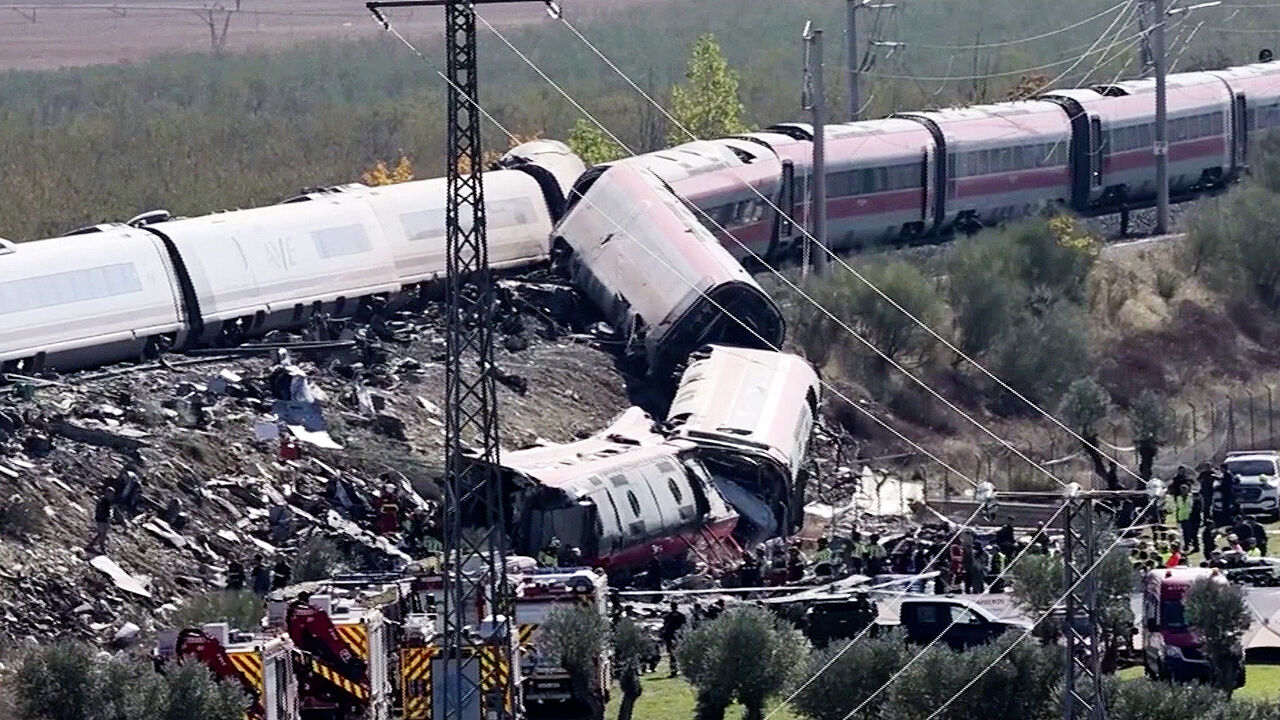
Summary A deadly high-speed rail collision in Spain has claimed 68 lives, marking the country's second fatal train disaster within just nine months and prompting intense scrutiny from Korean international observers over safety infrastructure. The collision occurred along the heavily traveled corridor connecting the capital city of Madrid with the southern region of Andalusia, involving a state-run Renfe AVE high-speed train and a train operated by the private rail carrier Iryo.
According to initial reports, the chain of events began earlier in the morning when computer malfunctions struck the route's security and signaling networks. As an automated safety precaution, traffic was halted and trains across the corridor were stopped on the tracks. However, central dispatchers unexpectedly instructed a Renfe train to resume movement without any caution or speed reduction advisory, resulting in a devastating rear-end collision with a stationary train. Spanish Transport Minister Óscar Puente characterized the command as an incomprehensible error, effectively placing the blame on individual traffic controllers. In response, public servants' unions strongly pushed back, accusing officials of scapegoating frontline workers to deflect responsibility from broader systemic and policy failures.
Korean coverage highlights this tragedy through the lens of what Korean society and media traditionally describe as a "developing-nation-style accident" (후진국형 사고)—a concept frequently invoked in South Korea to describe preventable, large-scale disasters stemming from structural negligence, inadequate maintenance, and systemic failure rather than unavoidable acts of nature. Observers noted striking parallels with previous infrastructure debates: despite Spain operating Europe's largest high-speed rail network spanning roughly 4,000 kilometers, critics argue that aggressive expansion and rail market liberalization have severely outpaced maintenance investments. Between 2019 and 2024, rail passenger volume jumped by 40%, yet data reveals that only 16% of Spain's 1.5-billion-euro annual high-speed rail budget was allocated to maintaining existing infrastructure—a figure lagging substantially behind European peers like Germany and Switzerland.
Adding to the controversy, rail worker unions had already scheduled a nationwide strike for October 29 to protest unaddressed safety deficiencies following a previous collision near Córdoba that killed 46 people in January. The latest crash occurred just a single day before the planned walkout, intensifying public demands across Europe and abroad for comprehensive structural reform over rapid expansion.
Sponsored · Ad