Arctic Thaw Leaches Heavy Metals Into Drinking Water in Remote Norwegian Town
Key Points
- Residents of Longyearbyen in Norway's Svalbard archipelago have been barred from drinking tap water after thawing permafrost caused toxic heavy metals to contaminate their primary reservoir.
- The story gained significant attention in South Korea due to its dramatic demonstration of how rapid Arctic warming—progressing five to seven times faster than the global average—is poisoning basic mu
- Experts warn this chemical reaction between exposed pyrite bedrock and melting permafrost serves as an early harbinger for freshwater vulnerabilities across Arctic communities in Canada and Alaska.
Summary A remote Arctic town in Norway has been forced to stop drinking its tap water after rising global temperatures triggered a dangerous release of heavy metals from thawing permafrost, highlighting an alarming environmental crisis that has captured the attention of international observers and South Korean media.
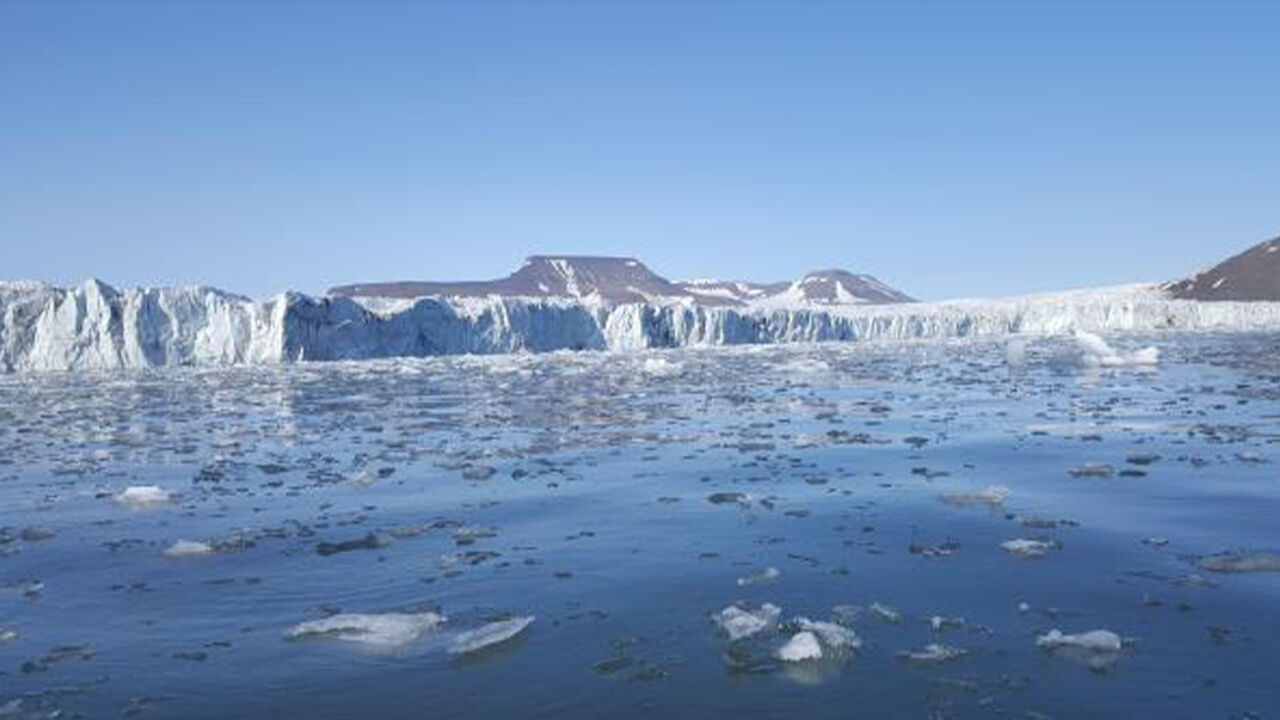
In Longyearbyen, the world's northernmost permanent settlement located in Norway's Svalbard archipelago, around 2,600 residents have been advised not to drink local tap water. The town relies primarily on a 2.5-kilometer blocked lake commonly known as the 'ice pond' for its fresh water supply. However, Longyearbyen is warming at five to seven times the global average rate, with autumn temperatures climbing by up to 4 degrees Celsius per decade. This accelerated thaw is exposing bedrock that had remained locked beneath frozen ground for millennia.
According to Marjolijn Verret, an associate professor of Arctic geology and permafrost specialist at the University Centre in Svalbard, the contamination is caused by a chemical chain reaction. When pyrite in the area's shale bedrock comes into contact with air and water exposed by thawing permafrost, it oxidizes and acidifies. The resulting acidic runoff leaches heavy metals directly from the rock into the local waterways. Testing initially revealed manganese levels surging to 25 times Norway’s safe public health limit of 50 micrograms per liter, posing serious neurological risks particularly to infants and young children. While manganese levels later dropped, subsequent tests found sulfate and nickel concentrations exceeding potable water safety thresholds, keeping the tap water ban firmly in place.
To cope with the shortage, municipal authorities set up temporary emergency drinking water stations, using purified water supplied by a local brewery and stored in central distribution tanks. Longyearbyen Mayor Terje Aunevik warned that the town may need an entirely overhauled water infrastructure, weighing costly solutions such as filtration systems or full desalination facilities, both complicated by Svalbard’s sub-zero Arctic freeze.
The story has resonated in South Korea, where polar research conducted by the Korea Polar Research Institute (KOPRI)—which maintains the Dasan Research Station on Svalbard—regularly brings polar environmental issues into domestic headlines. Scientists warn that Longyearbyen's drinking water crisis is not an isolated incident, but an early warning sign of how climate change and permafrost degradation could jeopardize freshwater sources across other northern communities in Alaska, northern Canada, and across the circumpolar north.
Sponsored · Ad