UK Moves to Fine Public Transit 'Noise Villains' $130, Sparking Subway Etiquette Debate in Korea
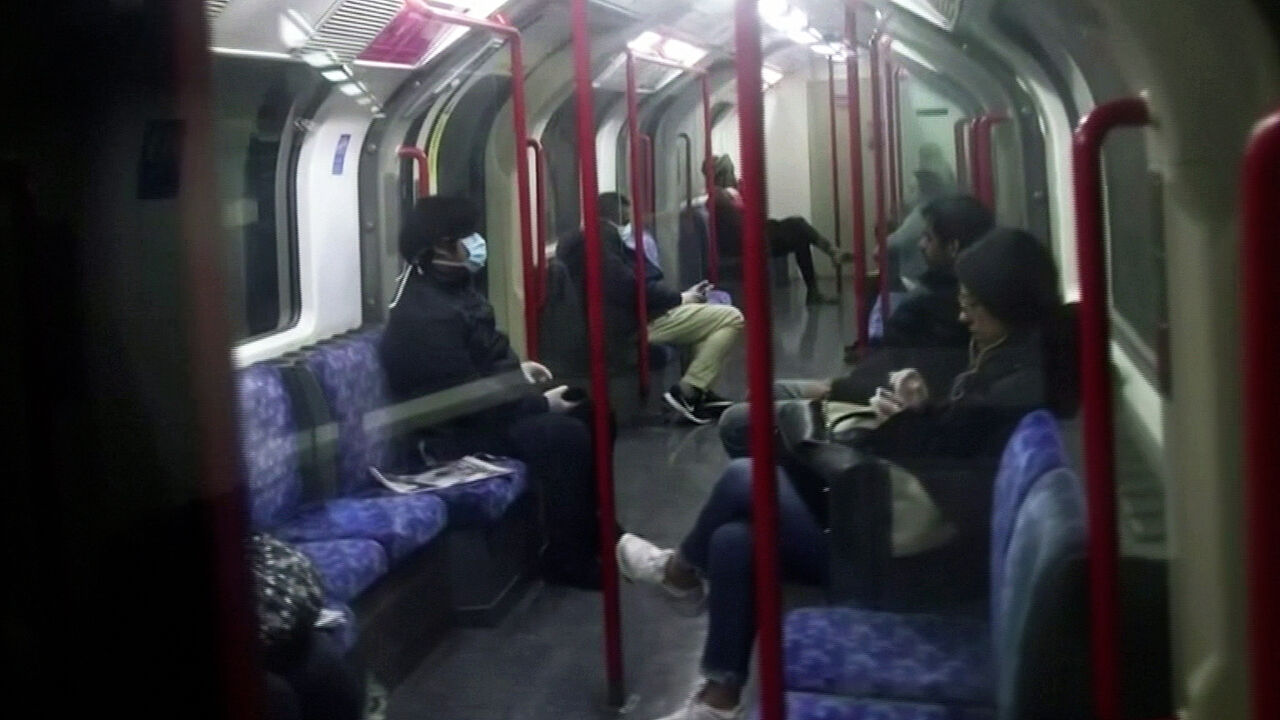
Key Points
- The UK has introduced guidelines imposing fines of up to £100 (around 180,000 KRW) for transit passengers who play audio aloud without earphones following widespread public frustration.
- The move resonated strongly in South Korea, where transit noise complaints jumped from 8,000 in 2022 to 11,000 in 2023, already logging 7,500 in the first half of this year alone.
- While transit staff in Korea can issue warnings or evictions, catching these 'noise villains' is difficult in practice because offenders often exit or turn off audio before personnel arrive.
Summary Anyone who has ever commuted on public transit knows the immediate dread that sets in when someone nearby starts blasting short-form videos, speakerphone calls, or loud music without headphones. In South Korea, where the ubiquitous term "villain" (빌런) is commonly appended to public nuisance behavior, commuters playing audio out loud are dubbed "noise villains" (소음 빌런).
The issue has gained fresh traction among Korean commuters following news from the United Kingdom, where local transit authorities have introduced guidelines to issue fines of up to £100 (approximately 180,000 KRW) to passengers who play audio aloud without earphones. The UK measure came in response to overwhelming public sentiment, with surveys revealing that around 88% of respondents found playing audio aloud on trains entirely unacceptable.
Korean passengers find themselves in a remarkably similar predicament. According to data from Seoul Metro (Seoul Transportation Corporation), civil complaints regarding in-train noise surged from around 8,000 cases in 2022 to over 11,000 cases in 2023. The trend has only intensified, with roughly 7,500 noise-related complaints already filed in just the first half of this year.
Despite the soaring frustration, enforcing public etiquette remains notoriously difficult under current Korean transit systems. While station staff and transit officers possess the authority to order disruptive passengers to cease or even exit the train, offenders frequently lower their volume or slip off the train before transit staff can arrive at the scene. As public transport continues to be an essential shared space for millions of daily riders, calls for stricter etiquette standards—and potentially enforceable penalties—continue to fuel lively debate across Seoul.
Sponsored · Ad