Americas Oil Producers See Investment Surge as Prolonged Middle East Conflict Reshapes Global Energy Flow
Key Points
- Prolonged conflict involving Iran and shipping anxieties around the Strait of Hormuz have spurred heavy investment and production surges across American oil producers including the US, Canada, Argenti
- South Korean outlets are closely following this trend as an energy-dependent economy watching for relief from volatile Middle Eastern crude reliance and international price hikes.
- Major energy corporations like TotalEnergies, Chevron, Shell, and BP are committing tens of billions to Western Hemisphere shale and offshore projects, dampening OPEC's traditional pricing leverage.
Summary Prolonged geopolitical conflict involving Iran and persistent unrest around the Strait of Hormuz have triggered significant shifts across the global energy map, with oil-producing nations across the Americas emerging as prime beneficiaries of surging investment and demand. According to South Korean media reporting on international analyses by the Financial Times and Rystad Energy, escalating fears of disrupted Middle Eastern crude supplies have prompted global energy buyers and major oil conglomerates to aggressively diversify toward North and South American producers.
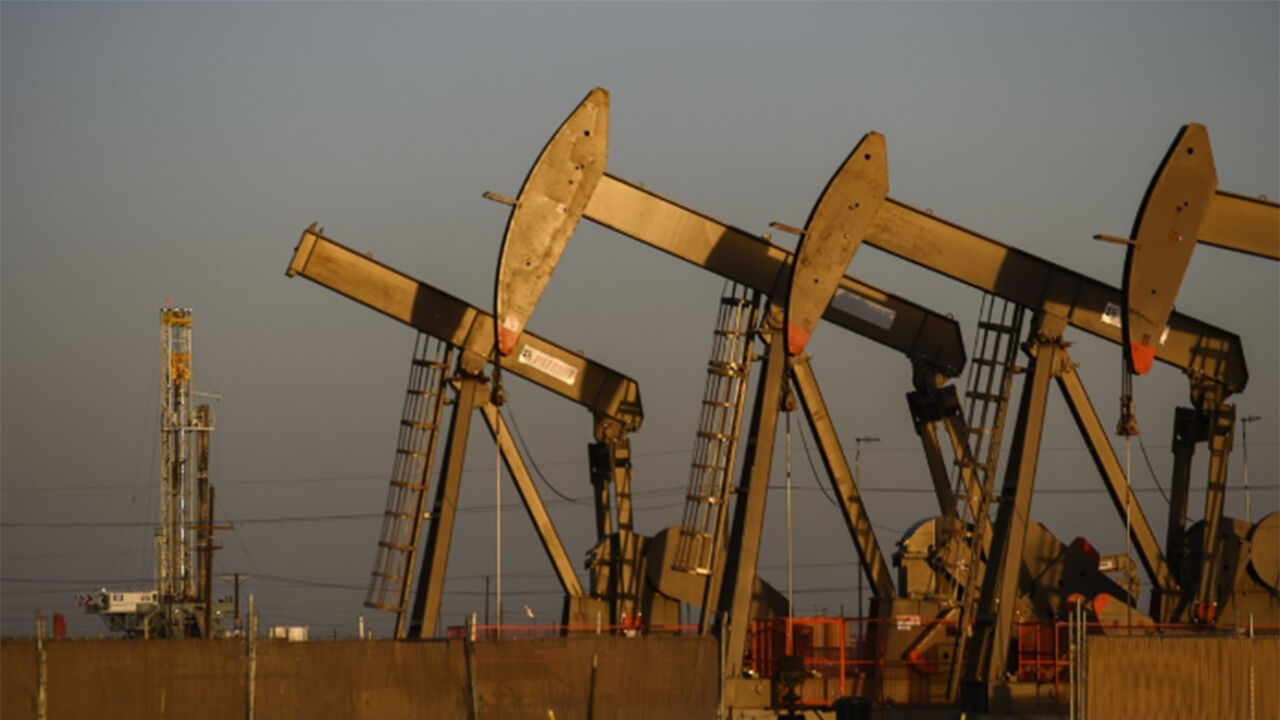
Production and direct foreign investment are climbing sharply across the Western Hemisphere. Canada and Brazil have set new crude oil output records this year, while United States exports of crude oil and petroleum products like diesel surged by 15%. Rystad Energy forecasts that total oil production across North and South America will expand by roughly 10% over the two-year period ending in late 2026. Rather than simply purchasing American crude, multinational energy giants are committing tens of billions of dollars to direct extraction and infrastructure projects. TotalEnergies unveiled a $10 billion investment in Argentina's offshore and onshore natural gas operations, alongside massive commitments in Argentina's prolific Vaca Muerta shale formation from Chevron and American shale executive Harold Hamm. In Venezuela, foreign interests including Chevron, ADNOC, Shell, and BP are pursuing new and expanded drilling initiatives, driving local output upwards despite past sanctions and infrastructure hurdles.
For South Korea—an export-reliant economy heavily dependent on imported crude oil and maritime shipping routes through the Middle East—developments in the global energy supply chain carry acute domestic significance. Shifts in crude stability directly influence South Korea's manufacturing costs, consumer inflation, and utility pricing. Industry analysts note that while expanded American output cannot entirely replace Middle Eastern crude volumes overnight, surging supply from countries like the US, Canada, Argentina, Guyana, and Venezuela softens upward pressure on international oil benchmarks and dilutes the traditional pricing dominance held by OPEC and Gulf Cooperation Council nations.
Sponsored · Ad