Norway Welcomes EU Move Dropping Arctic Drilling Moratorium
Key Points
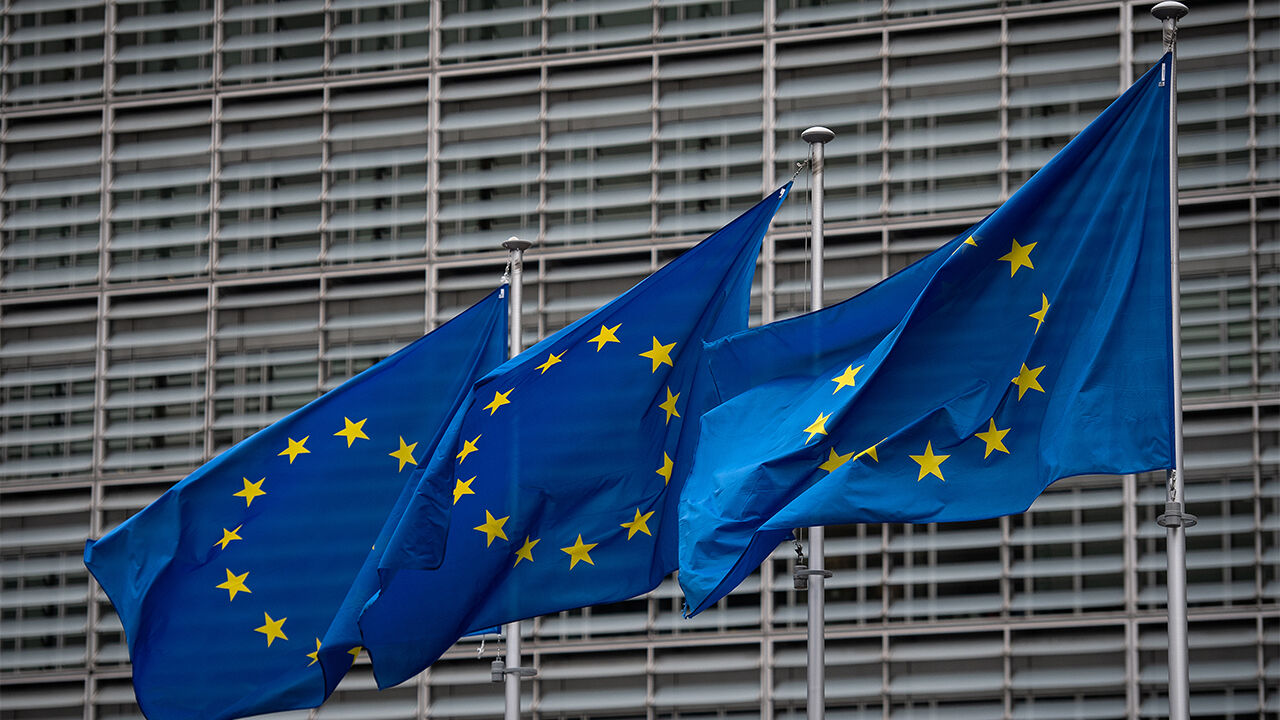
- Norway welcomed the European Union's updated Arctic strategy, which effectively scrapped a previously proposed international moratorium on new Arctic oil and gas drilling.
- The development gained attention in South Korean media as European energy diplomacy shifts amid ongoing global fuel security concerns and Middle East supply uncertainties.
- Facing depletion in older offshore reserves, Norway successfully lobbied Brussels while positioning its Arctic exploration as a stable alternative energy source for Europe.
Summary Norway, Western Europe's largest oil and gas producer, has officially welcomed the European Union's recent decision to withdraw its proposal for an international ban on new Arctic oil and gas drilling. The policy change was unveiled in the EU's updated Arctic strategy, which notably omitted the controversial term 'moratorium' regarding exploration and extraction in the Arctic region.
According to reports citing Norwegian Energy Minister Terje Aasland, Oslo expressed satisfaction that discussions concerning a blanket drilling freeze have disappeared from the EU framework. Minister Aasland emphasized that energy production from northern Norway is poised to become increasingly vital for European energy security in the coming years.
The European Union's revised strategy continues to encourage keeping fossil fuels underground and prioritizes renewable energy as well as hydrocarbons produced outside the Arctic. However, the deletion of the explicit moratorium language marks a significant diplomatic and lobbying victory for Norway. As continental shelf reserves in existing fields face natural depletion, Norway has aggressively pushed to explore untapped Arctic waters, granting five exploration licenses in the Barents Sea last year and launching license rounds across 38 blocks this year.
In its diplomatic representations to Brussels, Norway positioned itself as an indispensable regional energy partner, particularly as an alternative source during supply disruptions arising from geopolitical tensions such as Middle Eastern shipping chokepoints in the Strait of Hormuz. For Korean media and international observers, the move highlights the ongoing tug-of-war between climate transition commitments and immediate energy security across Europe.
Sponsored · Ad