South and North Korea Clash at the UN Over DMZ Landmine Explosion
Key Points
- South Korea demanded an official apology and accountability at the UN after a joint investigation concluded North Korea deliberately planted a DMZ landmine that wounded three soldiers.
- North Korea strongly rejected the accusation, framing its border activities as sovereign defense and warning it would rely on military strength rather than diplomacy.
- The confrontation highlights rising inter-Korean tensions and the fragile state of the 1953 Armistice Agreement along the heavily fortified Korean Demilitarized Zone.
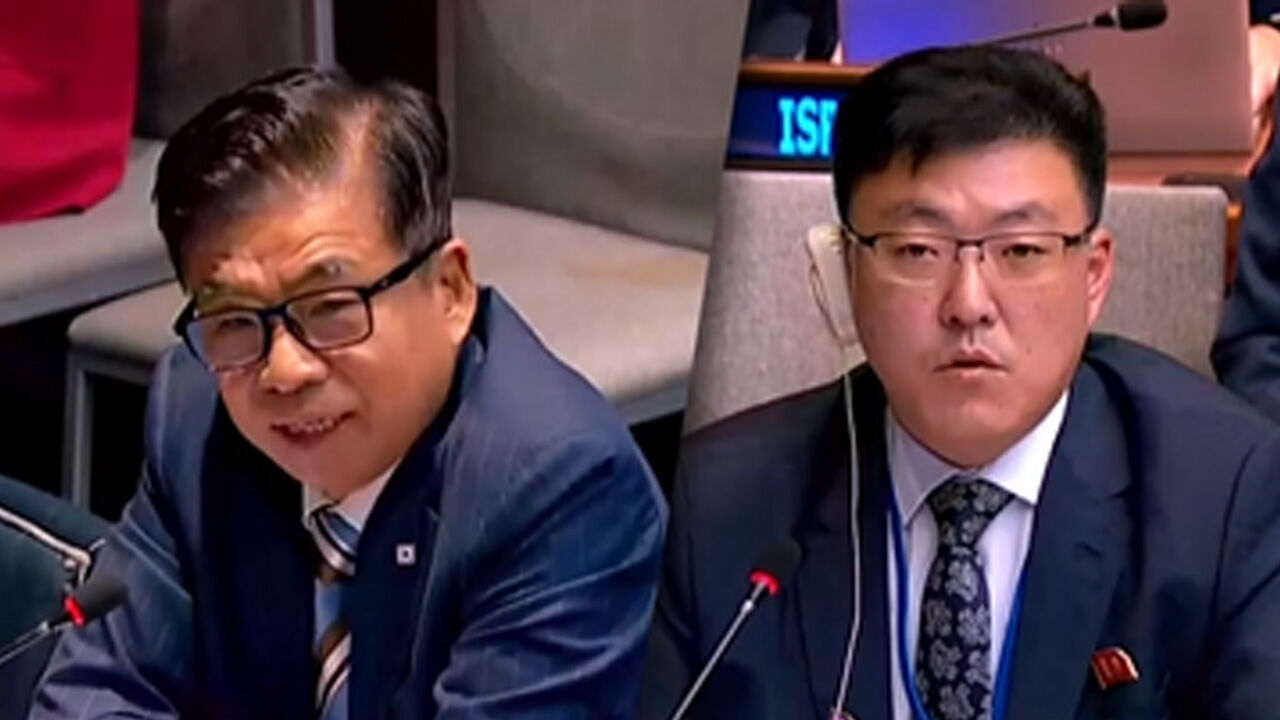
Summary A sharp diplomatic clash erupted between South and North Korea at the United Nations General Assembly in New York following a recent landmine explosion in the Demilitarized Zone (DMZ) that injured three South Korean soldiers.
South Korea's Ambassador to the United Nations, Cha Ji-hoon, formally addressed the assembly, stating that a joint investigation involving the United Nations Command (UNC) confirmed the landmine was intentionally planted by the North Korean military. Ambassador Cha condemned the incident as a blatant violation of the 1953 Korean War Armistice Agreement, which has governed the buffer zone between the two nations for over seven decades. In his address, Cha demanded an immediate cessation of escalatory military actions, an official public apology from Pyongyang, and responsible accountability.
The North Korean delegation delivered an immediate and aggressive rebuttal, rejecting Seoul's findings and accusing South Korea of employing clumsy political maneuvers to shift blame. Pyongyang's representative defended North Korea's recent military fortifications along the border, describing them as legitimate exercises of national sovereignty and accusing the South of attempting to brand legitimate border defense as military aggression. The North Korean envoy further referenced remarks made during a South Korean National Assembly audit by Unification Minister Chung Dong-young, arguing that even high-ranking South Korean officials had previously stated it was difficult to definitively characterize the blast as a deliberate attack.
South Korea promptly exercised its right of reply. Ahn Ji-in, a counselor at the South Korean Mission to the UN, countered North Korea's defense by citing rigorous forensic analysis conducted jointly by South Korean forces and the UN Command. Ahn reiterated that scientific evidence conclusively demonstrated that the explosive device was deliberately laid by North Korean troops. Before the session concluded, North Korea took the floor once more to declare South Korea a "hostile state," warning that it would safeguard its territorial sovereignty not through dialogue or negotiation, but through the uncompromising display of military strength.
This tense confrontation reflects deepening friction across the Korean Peninsula as formal dialogue remains frozen and both sides reinforce security measures along the heavily fortified border. For the global community and South Korean society, the exchange underscores how volatile DMZ incidents continue to test the fragile armistice framework on the international stage.
Sponsored · Ad