Trump Floats Renaming an Ocean to 'Trump Ocean' or 'Ocean of the Americas' After Gulf and Lake Changes
Key Points
- During a campaign rally in Tennessee, President Donald Trump suggested renaming either the Atlantic or Pacific Ocean to 'Trump Ocean' or 'Ocean of the Americas.'
- Korean media spotlighted the remarks following his earlier controversial renamings of the Gulf of Mexico and Lake Ontario by executive order.
- The unilateral renaming of major bodies of water resonates with Korean readers who closely follow international naming disputes and geopolitical map revisions.
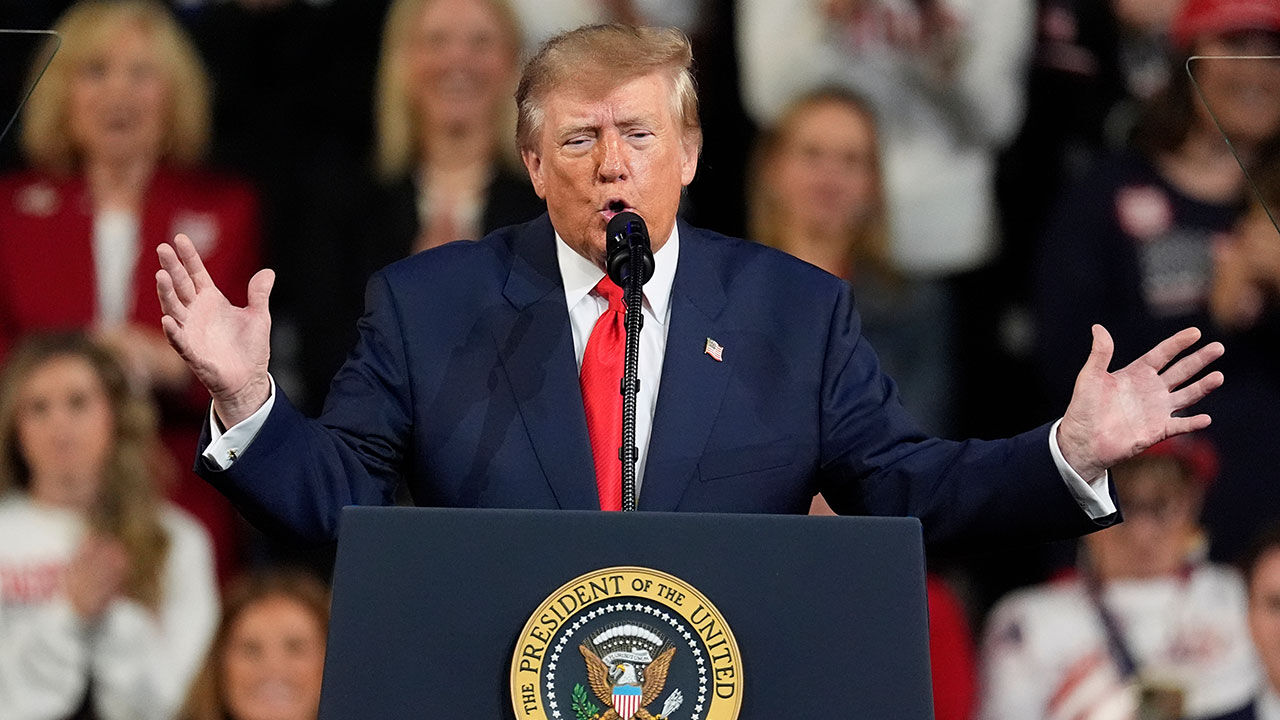
Summary At a midterm election campaign rally in Clarksville, Tennessee, U.S. President Donald Trump floated an audacious new geographic renaming idea: naming an entire ocean after America—or even himself. Highlighting his previous executive actions that renamed the Gulf of Mexico to the "Gulf of America" and Lake Ontario to "Lake America," Trump remarked to the crowd that having a gulf and a lake was not enough. According to reports cited by The Washington Post, Trump stated, "Someone said we need a river too, but we need a river and we need an ocean," proposing names like the "Trump Ocean" or the "Ocean of the Americas."
Trump added that the country ought to have an ocean named after it before he leaves office, subtly hinting that either the Atlantic or the Pacific Ocean could be targeted for a name change. While the suggestion to include his own surname was framed in a seemingly half-joking tone, the underlying pattern of unilateral renaming has already carried real diplomatic and media consequences.
Shortly after taking office, Trump signed an executive order renaming the Gulf of Mexico, which ignited significant diplomatic friction with Mexico and led to White House press credentials being revoked for an AP reporter who refused to adopt the new nomenclature. In August, he stoked tensions with northern neighbor Canada by signing another executive order redesignating Lake Ontario along the shared border as Lake America. Under U.S. executive authorities, the president holds the power to adjust official domestic designations for geographic features and bodies of water, and major private online digital mapping services have largely fallen in line with Trump’s revisions.
While covering international political discourse, Korean news outlets often highlight such unconventional geopolitical maneuvers due to South Korea's own acute sensitivity toward geographic naming conventions on world maps, notably the longstanding diplomatic efforts regarding the naming of the body of water between the Korean Peninsula and Japan (East Sea vs. Sea of Japan). Consequently, foreign state-led unilateral ocean renaming proposals capture immediate fascination and sharp curiosity among Korean readers.
Sponsored · Ad