Russia Declares UN Sanctions on North Korea 'No Longer Exist'
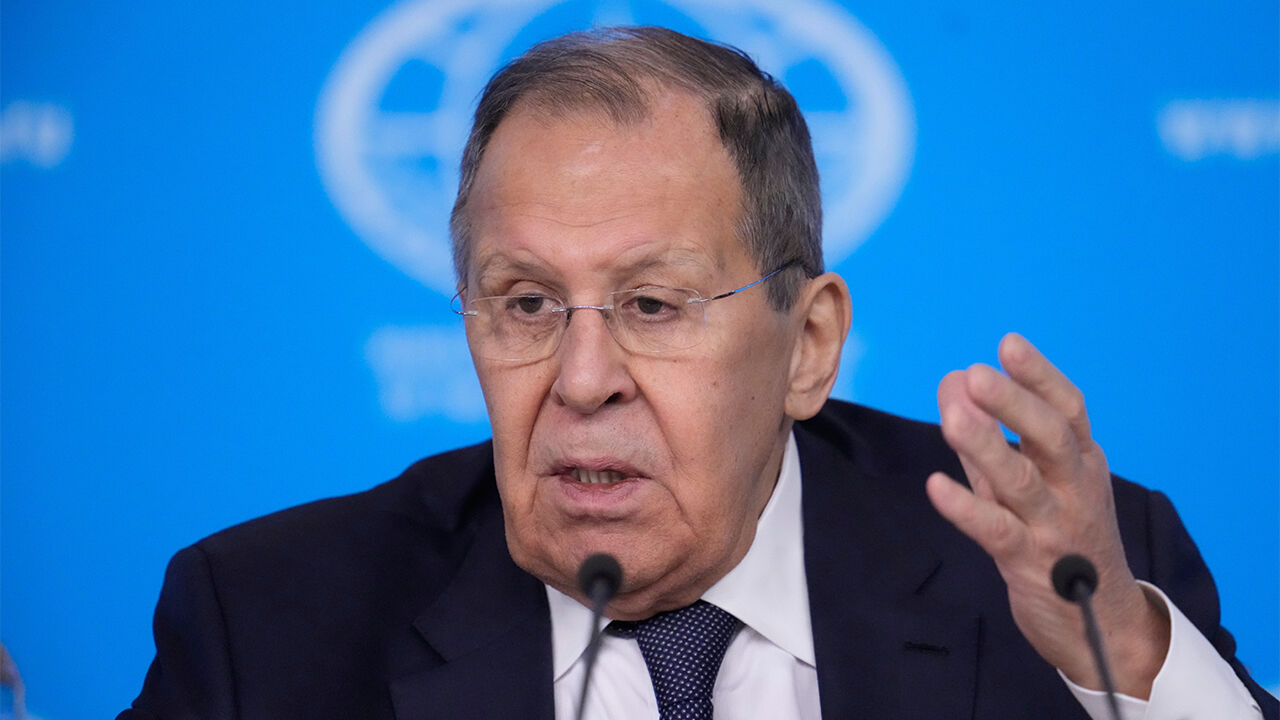
Key Points
- Russian Foreign Minister Sergey Lavrov declared at the East Asia Summit that international sanctions against North Korea are no longer applicable.
- This move follows a deepening military alliance between Moscow and Pyongyang, solidified by their 2024 strategic partnership treaty.
- Lavrov framed the joint military exercises between South Korea, the US, and Japan as the primary cause of regional instability, signaling a major shift away from former Russian cooperation on non-prol
Summary In a significant development at the East Asia Summit (EAS) in Manila, Russian Foreign Minister Sergey Lavrov has once again signaled a radical departure from the international consensus regarding North Korea. Speaking to reporters on the sidelines of the summit, Lavrov claimed that the international sanctions regime against Pyongyang effectively "no longer exists" for Russia. This declaration marks a stark crystallization of the shifting geopolitical landscape in East Asia, where Russia has increasingly aligned itself with North Korea against what it describes as Western-led hegemony.
Lavrov’s rhetoric was framed around a pointed critique of regional security architecture. He explicitly condemned the ongoing military cooperation and joint exercises between South Korea, the United States, and Japan, arguing that these drills serve only to isolate and pressure North Korea. According to the Russian Foreign Minister, these military maneuvers—which often include nuclear-capable assets—are the true drivers of instability on the Korean Peninsula. By reframing the sanctions as an obstacle to peace rather than a tool for non-proliferation, Russia is actively working to dismantle the international pressure campaign that it once helped build.
This policy shift has profound implications for South Korea. For years, the global framework to contain North Korea’s nuclear ambitions relied on a consensus that included both Beijing and Moscow. However, that framework has been rapidly eroding. A critical turning point occurred in March 2024, when Russia exercised its veto power at the United Nations Security Council to effectively terminate the mandate of the expert panel tasked with monitoring North Korean sanctions. This move removed a key layer of international oversight, clearing the path for the deepening military and economic ties we see today.
At the center of this transformation is the 'Comprehensive Strategic Partnership Treaty' signed between Vladimir Putin and Kim Jong-un in mid-2024. This agreement established a de facto military alliance, which international observers have linked to the supply of North Korean munitions and personnel for Russia’s operations in Ukraine. In return, the international community has raised alarms about Russia providing critical economic support, including fuel and grain, as well as sensitive military technology. This mutual assistance has fundamentally changed the calculus for South Korean defense planners, who now face a northern neighbor emboldened by a major-power ally. Lavrov’s recent comments underscore that this alliance is not merely a temporary wartime arrangement, but a structural realignment of Russian foreign policy, signaling that the era of Moscow participating in collective efforts to limit Pyongyang’s nuclear program has effectively come to an end.
Sponsored · Ad