Smugglers Call It 'Patriotism' as South Korean HBM Chips Are Secretly Funneled into China's AI Pipeline
Key Points
- Smugglers are skirting US export controls by packaging South Korean HBM chips onto boards with low-end server processors, then carefully melting them off once inside China to supply firms like Huawei.
- Driven by extreme shortages for domestic AI accelerators like the Ascend 960DT, black-market HBM3E prices have surged to around $4,000 per chip, with brokers framing their high-risk work as a patrioti
- The scheme puts South Korean memory titans Samsung and SK Hynix at risk of US regulatory scrutiny despite their strict compliance with sanctions, highlighting South Korea's pivotal yet vulnerable role
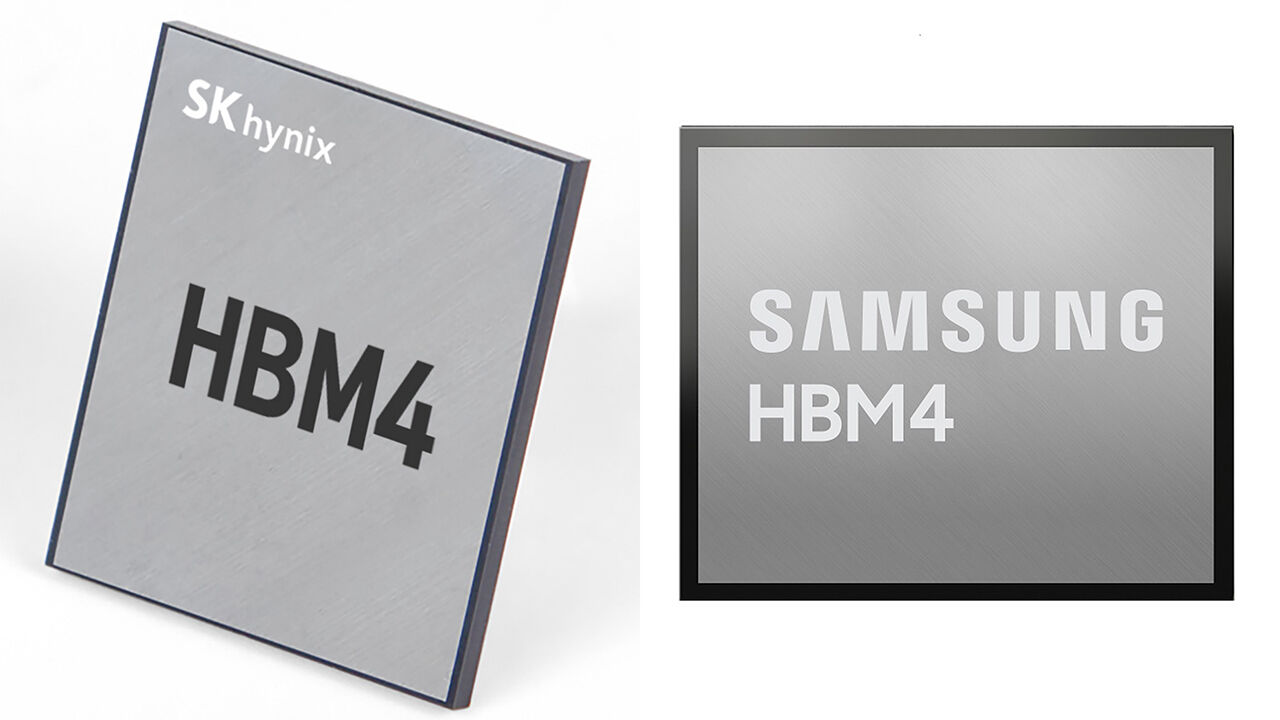
Summary A covert and increasingly brazen supply chain operation has emerged at the intersection of global geopolitics and cutting-edge artificial intelligence hardware. According to a recent report by tech outlet The Information, Chinese smugglers are circumventing strict United States export bans to funnel high-bandwidth memory (HBM) chips manufactured by South Korean tech giants Samsung Electronics and SK Hynix into China. What makes this shadow trade particularly striking is how brokers view their illicit craft: rather than seeing themselves as black-market criminals, some operatives frame their work as a patriotic duty to bolster China’s technological independence.
The smuggling method relies on a clever loophole within current US export regulations. Instead of attempting to ship advanced HBM chips directly—which would instantly trigger regulatory alarms—smugglers solder the memory stacks onto circuit boards alongside low-end, budget server processors. Under existing export guidelines, the total computing threshold of an integrated package is assessed primarily by the performance of the main server processor rather than the attached memory. Once the shipments successfully arrive in China, specialized technicians subject the packages to delicate de-soldering procedures, applying precise heat to melt the solder and harvest the pristine HBM chips while discarding the cheap processors. Because extreme temperatures risk warping or cracking the intricate silicon stacks, the failure rate is steep, yet the immense financial payoff makes the gamble well worth the risk.
The surging demand is driven by the race to build domestic AI infrastructure, most notably around Huawei Technologies' next-generation processor, the Ascend 960DT. Touted to deliver double the performance of its predecessor, the chip is seen as a cornerstone of China's computing ambitions to support large language models like DeepSeek. However, because advanced AI models require massive data throughput to function effectively, they face an insurmountable bottleneck without HBM. With South Korea’s Samsung and SK Hynix commanding more than 80 percent of the global HBM market and domestic Chinese alternatives virtually nonexistent, black-market prices have skyrocketed. A single HBM3E unit that previously cost hundreds of dollars now fetches roughly $4,000 in China, driving the memory cost alone to tens of thousands of dollars per AI package.
For South Korea’s leading memory manufacturers, the booming illicit trade presents a serious diplomatic and regulatory headache. After Taiwan’s TSMC faced intense US scrutiny when its chips were discovered inside Huawei hardware in 2024, Korean chipmakers are desperate to avoid similar regulatory crosshairs. SK Hynix has emphatically reaffirmed its strict compliance with international sanctions, underscoring that it has severed all official ties with Huawei since US export controls took effect in 2020. Yet as more copycat brokers flood the route to chase astronomical profits, seasoned operators warn that heightened scrutiny from both Washington and Seoul will soon close the loophole, highlighting the precarious tightrope Korean semiconductor pioneers must walk in the intensifying tech rivalry between the superpowers.
Sponsored · Ad