From 'Jinjja' to 'Gwaenchanha': Why Korean Slang Is Taking Over Japanese Youth Culture
Key Points
- Young people in Japan are increasingly incorporating Korean terms like 'jinjja', 'mianhae', and 'gwaenchanha' into their daily speech, advertisements, and social media.
- The phenomenon gained major momentum around 2018 with the global rise of BTS and BLACKPINK and expanded further through Korean media consumption during the pandemic.
- Linguistic parallels and unique Korean terms without direct Japanese equivalents, such as 'hyung' and 'unnie', have helped Korean become an organic expression of affection for K-culture.
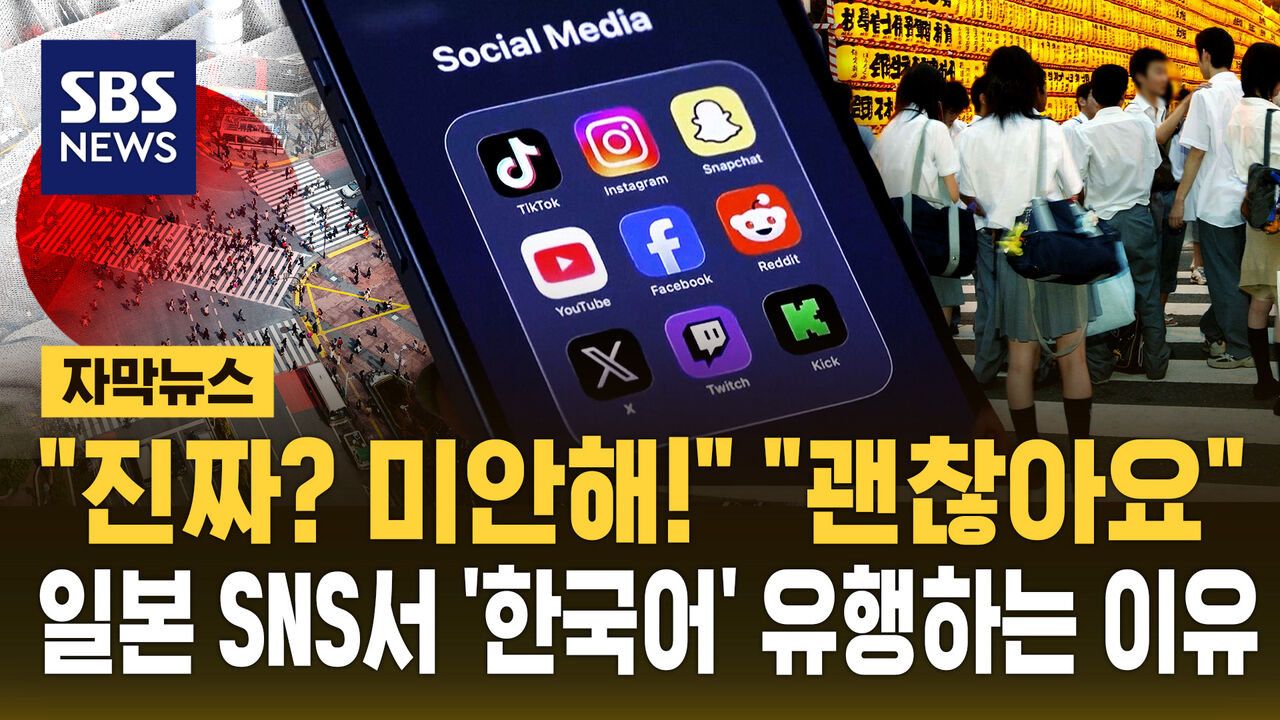
Summary A fascinating linguistic and cultural shift is unfolding across Japan, where Korean words and slang have seamlessly integrated into the daily conversations, advertisements, and social media feeds of Japanese youth. Words such as "jinjja" (really?), "mianhae" (sorry), and "gwaenchanha" (it's okay) are popping up frequently among teenagers and university students—even among those who do not actively follow Korean pop culture.
According to a report highlighted by The New York Times, this linguistic phenomenon represents a striking historical inversion. Approximately a century ago, during the Japanese colonial occupation of the Korean Peninsula, the Korean language faced severe suppression and restriction. Today, the spontaneous adoption of Korean expressions by young Japanese citizens reflects the overwhelming global soft power and magnetic appeal of contemporary Korean culture.
Cultural observers trace the acceleration of this trend to around 2018, when powerhouse K-pop groups like BTS and BLACKPINK sparked massive worldwide popularity, breaking down cultural barriers in Japan. The trend deepened further during the COVID-19 pandemic, as extended periods at home led people to immerse themselves in Korean dramas, beauty content, and social media.
Linguists and regional specialists emphasize that the phenomenon is aided by the close grammatical and phonetic similarities between Korean and Japanese, which makes borrowing terms relatively frictionless. Furthermore, certain Korean honorifics and relational terms—such as "hyung" (an older brother or male friend to a younger male) and "unnie" (an older sister or female friend to a younger female)—lack precise 1:1 equivalents in Japanese social etiquette, leading young people to adopt them directly to describe close, affectionate bonds.
As Professor Choi Eun-kyung of Kansai University noted, weaving Korean vocabulary into everyday Japanese speech has evolved into a stylish, organic way for the younger generation to express their genuine affection for Korean pop culture, signaling a new chapter in cross-cultural youth connection.
Sponsored · Ad