Earn $14,000 Just by Sleeping? Tokyo Hosts Extreme Deep Sleep Contest Amid Disco Lights and Doorbells
Key Points
- A sleep contest held in Tokyo awarded a 19 million KRW prize to the participant who fell asleep the fastest and maintained the deepest, most stable rest over 90 minutes.
- The story went viral across Korean news and social media for testing whether 'gguljam' (sweet, deep sleep) is an actual superpower in modern society.
- Competitors wore biometric sleep monitors while enduring deliberate disruptions including loud doorbells, shouting delivery couriers, and flashing mirror balls.
Summary Getting paid to sleep may sound like an unattainable fantasy, but an unusual competition in Tokyo recently turned that dream into a lucrative reality. Offering a grand prize of 19 million KRW (approximately $14,000 USD), the event challenged contestants to prove their mastery over slumber under increasingly chaotic conditions.
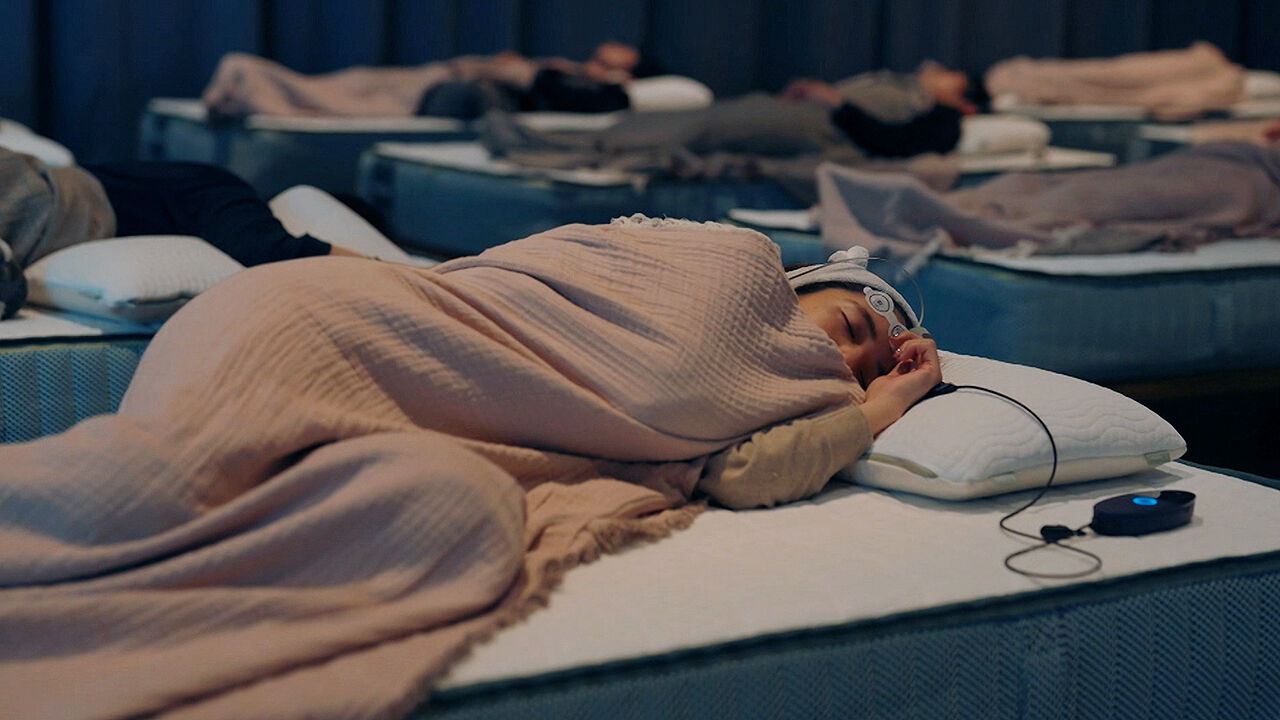
Contestants were instructed to lie down side-by-side in beds for a 90-minute trial period. Each participant was outfitted with specialized sleep-tracking sensors attached to their foreheads and behind their ears. The scoring went far beyond just closing one’s eyes; judges meticulously evaluated how quickly participants fell asleep, the depth and overall quality of their sleep cycles, and how steadily they maintained deep rest throughout the session.
To truly test the competitors' fortitude, organizers introduced deliberate disturbances designed to shatter their focus. Throughout the 90-minute nap, the venue was disrupted by the sudden ringing of doorbells, loud voices mimicking delivery couriers announcing package arrivals, and even blinding disco-style mirror ball lighting spinning across the ceiling. Those capable of staying completely unconscious amidst the sensory barrage earned top marks.
The quirky contest resonated widely across South Korean social media and news broadcasts, where the concept of "gguljam" (honey sleep, meaning deep and sweet restorative rest) is viewed as a coveted luxury in high-stress urban societies. In East Asian work cultures characterized by demanding hours and chronic fatigue, turning the ability to fall asleep instantly and rest undisturbed into a competitive skill struck a funny yet deeply relatable chord with viewers.
Sponsored · Ad