Tensions Spike in the Strait of Hormuz: Iran Claims Two Tankers Struck by Mines
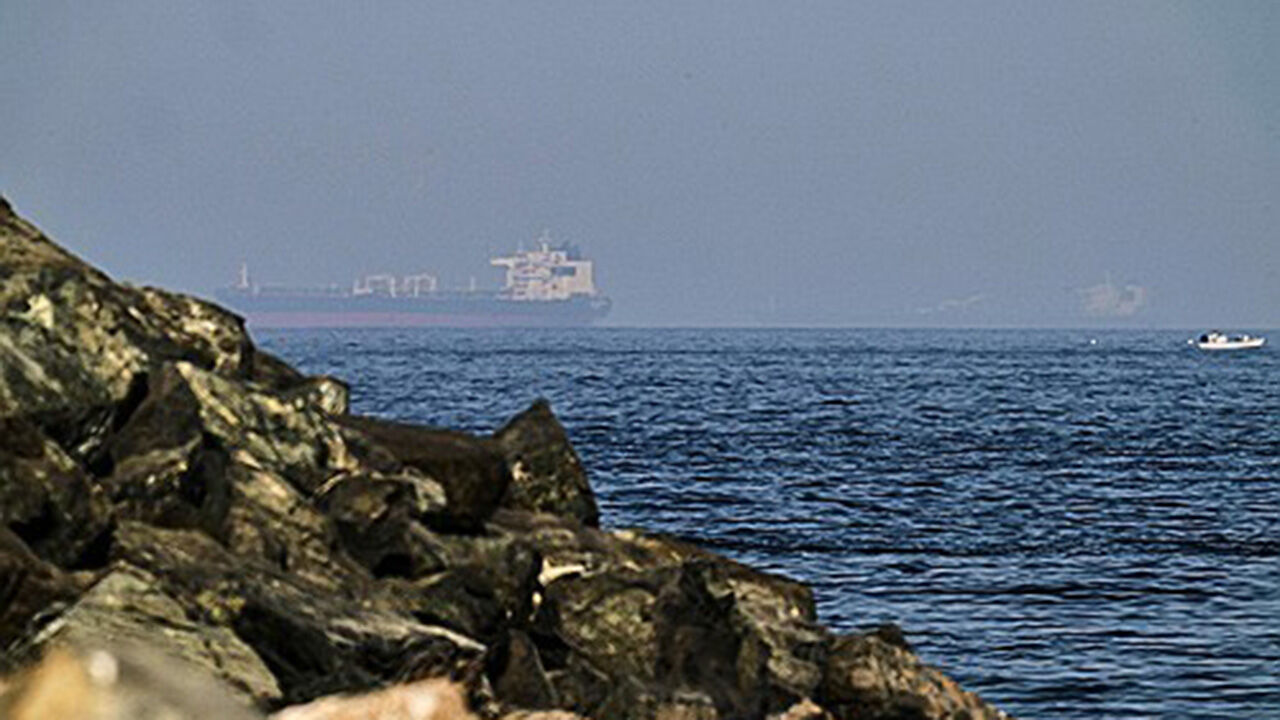
Key Points
- The Iranian Revolutionary Guard Corps (IRGC) claims that two vessels—a massive oil tanker and a gas carrier—were disabled by explosions after contact with mines in the Strait of Hormuz.
- The incident is drawing intense attention in South Korea, where the economy is heavily reliant on Middle Eastern energy imports, making any instability in this critical maritime corridor a major natio
- Iran’s military issued a stern warning to international shipping companies, characterizing the explosions as the inevitable result of ignoring navigation warnings, even when vessels are under the prot
Summary The Strait of Hormuz, arguably the world’s most critical maritime energy artery, has once again become the epicenter of geopolitical friction. On November 17, 2026, the Iranian Islamic Revolutionary Guard Corps (IRGC) issued a startling declaration, claiming that two major vessels—a super-tanker carrying over 2 million barrels of crude oil and a liquefied gas carrier—suffered catastrophic explosions after striking sea mines.
The IRGC statement alleges that these vessels were operating in violation of standard navigation protocols. According to the Iranian military, the oil tanker was hit in the western part of the strait, while the gas carrier encountered trouble in an unauthorized route in the southern section. Most pointedly, the IRGC claimed that both ships were being escorted by U.S. fighter jets at the time of the incidents, yet the American military failed to detect the mines, which the IRGC described as a "wall of iron and fire" laid to protect their territorial waters.
For global observers and South Korean readers, this news carries profound economic weight. South Korea is one of the world's top importers of oil and liquefied natural gas, much of which transits directly through the Strait of Hormuz. Any disruption in this narrow, high-traffic passage is not just a military flashpoint; it is a direct threat to South Korea’s energy security and the stability of global supply chains. The stern tone of the IRGC—warning shipping companies against "blindly trusting the lies of U.S. authorities"—suggests that this incident is being used to amplify broader tensions between Tehran and Washington, further complicating the precarious security landscape of the Middle East.
Sponsored · Ad