U.S. Defense Intelligence Agency Warns China May Soon Deploy Operational Anti-Satellite Weapons
Key Points
- The U.S. Defense Intelligence Agency warned that China could deploy operational space-based anti-satellite weapons, including directed-energy lasers and microwaves, by the late 2020s.
- The report draws keen attention in East Asia because disabling reconnaissance and communication satellites would severely handicap allied defense networks during regional flashpoints such as the Taiwa
- Rapid expansion of dual-use satellites under military-civil fusion policies and the difficulty of distinguishing between accidents and deliberate orbital attacks heighten the risk of space-based confl
Summary According to an assessment released by the U.S. Defense Intelligence Agency (DIA) titled 'Challenges to Security in Space,' China is projected to potentially deploy anti-satellite weapon systems in operational status in the near future, specifically aiming for space-based directed energy capabilities by the late 2020s. The report outlines how modern reconnaissance and surveillance rely heavily on orbital satellites, raising the prospect that sci-fi style 'Star Wars' scenarios could soon become reality.
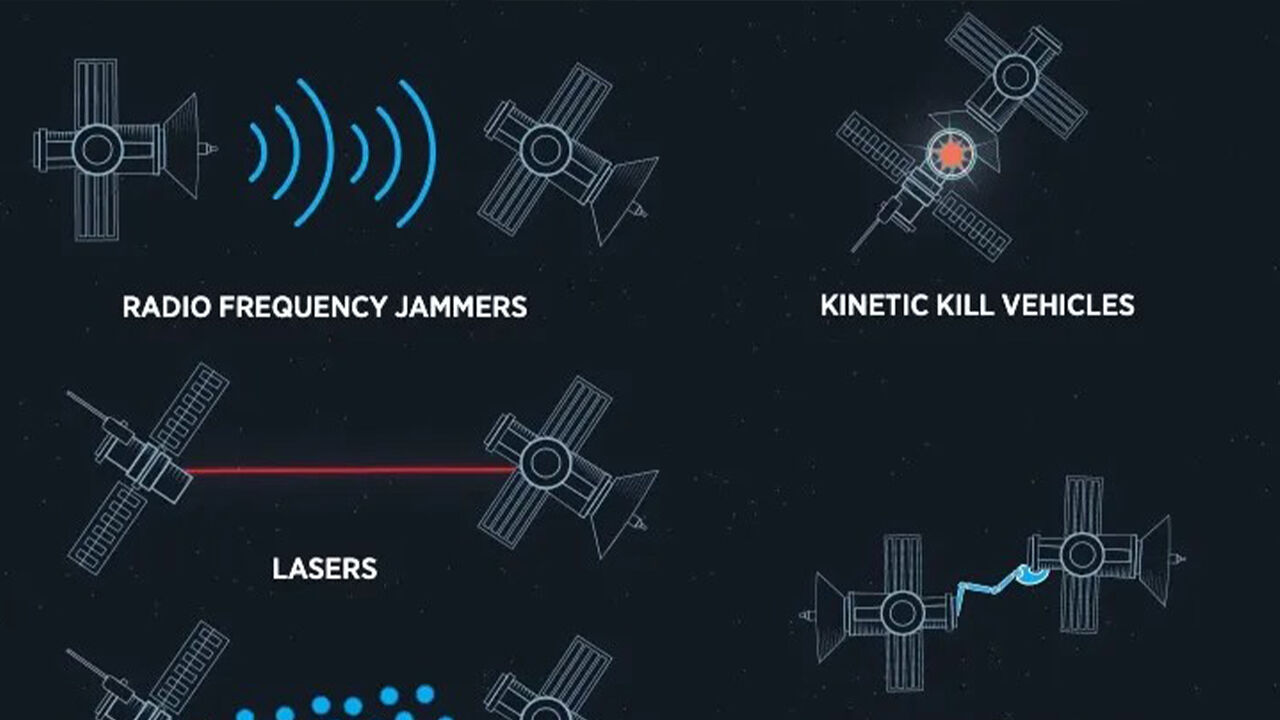
The DIA findings detail several potential attack vectors, including directed energy weapons like lasers capable of piercing satellite hulls, high-power microwaves designed to scorch electronic systems, and aerosol sprays that coat solar panels to neutralize power generation. In addition, physical collision, projectile interception, close-proximity mechanical tampering, and orbital nuclear detonations remain severe concerns. The DIA warned that China already possesses ground-based directed energy systems capable of disrupting or damaging satellites, and upcoming developments could threaten not only low Earth orbit assets but high-altitude orbital satellites as well.
The geopolitical implications are particularly acute for regional hotspots such as the Taiwan Strait. If early warning, communication, navigation, and surveillance satellites belonging to the U.S. and allied nations are targeted, critical intelligence gathering and command-and-control operations would be drastically degraded. The report also highlights China's rapid space expansion, noting that its intelligence, surveillance, and reconnaissance (ISR) satellites numbered over 510 as of July—more than tripling its 2018 inventory. Under China's military-civil fusion strategy, satellites classified nominally as civilian can be leveraged directly by the People's Liberation Army.
A major strategic challenge raised by both the DIA and defense analysts like The War Zone is attribution. In the vacuum of space, identifying whether an orbital failure stems from mechanical malfunction or hostile interference is extraordinarily difficult due to the absence of obstacles and vast engagement ranges. With Russia also developing counter-space capabilities and recent unexplained orbital breakups affecting Russian, Chinese, and Cold War-era U.S. satellites, the militarization of space poses unprecedented security dilemmas.
Sponsored · Ad