Oil Prices Plunge Over 7% as Qatari Mediators Push for US-Iran Peace Deal in Tehran
Key Points
- Crude oil prices tumbled by more than 7% in a single day after a Qatari delegation arrived in Tehran to mediate peace discussions between the United States and Iran.
- The story is drawing significant attention as major energy markets and import-dependent nations react to the prospect of de-escalation ahead of the U.S. midterm elections.
- Key sticking points remain, with Iran seeking sanctions relief and unfreezing of assets before opening the Strait of Hormuz, while the U.S. demands concessions on Iran's nuclear program.
Summary Global energy markets experienced a sharp reaction as international crude oil prices plunged by more than 7% in a single day, triggered by emerging diplomatic signals that the conflict between the United States and Iran may be heading toward a resolution. The dramatic drop comes as a high-level mediation delegation from Qatar arrived in Tehran to negotiate the framework of a potential peace deal just ahead of the U.S. midterm elections.
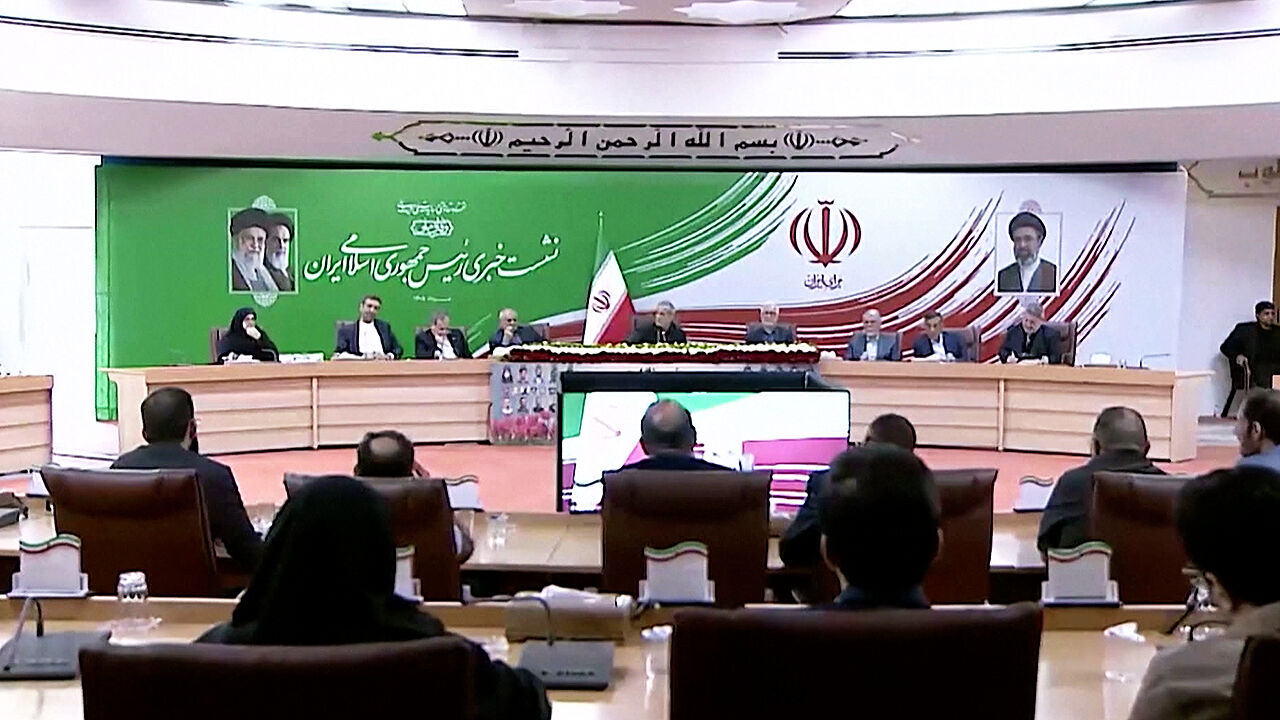
According to reports, the Qatari delegation met late at night in Tehran with Iranian Foreign Minister Abbas Araghchi to discuss a tentative draft agreement that has been under negotiation over the past eight days. While the exact parameters of the draft and the specific concessions agreed upon remain confidential, remarks from Iranian leadership signal a notable shift in diplomatic posturing. Iranian President Masoud Pezeshkian revealed that Iran's supreme leader, who holds ultimate state and military authority, granted the executive branch expanded discretion and authority to pursue a negotiated settlement. Foreign Minister Araghchi emphasized that Iran has formally delivered its conditions and proposals, indicating that the path forward hinges on whether Washington chooses diplomacy and political reason.
Concurrently, U.S. President Donald Trump publicly addressed the prospect of a breakthrough, asserting that the United States is prevailing militarily and suggesting that Iran is eager for a settlement, noting that a peace agreement could materialize soon. Despite the cautious optimism driving down oil prices, substantial obstacles remain before a formal peace pact can be finalized. Iran has demanded the lifting of the U.S. naval blockade, extensive sanctions relief, and the unfreezing of restricted financial assets as preconditions before reopening the vital Strait of Hormuz. In contrast, the United States continues to press for decisive concessions regarding Iran's nuclear program.
For energy-dependent economies like South Korea, which relies almost entirely on maritime oil imports traversing Middle Eastern sea lanes, developments around the Strait of Hormuz and fluctuations in global crude prices are monitored with intense urgency. As diplomatic intermediaries work behind the scenes, international markets are closely watching whether these preliminary discussions will translate into a binding ceasefire or stumble over deeply entrenched geopolitical demands.
Sponsored · Ad