"No Excuses": Lotte Giants Manager Kim Tae-hyoung Takes Full Blame as 3-Year Contract Ends Without Playoff Berth
Key Points
- Lotte Giants manager Kim Tae-hyoung addressed reporters ahead of the final 2026 KBO game, taking full blame for missing the postseason as his three-year contract expires without a renewal.
- Despite receiving limited external roster reinforcement via free agency, Kim refused to make excuses or blame club management, stating leadership must take responsibility for broken promises.
- The story reflects the high stakes and intense pressure of Korean baseball culture, where storied franchises and passionate fanbases measure success strictly by reaching 'Autumn Baseball.'
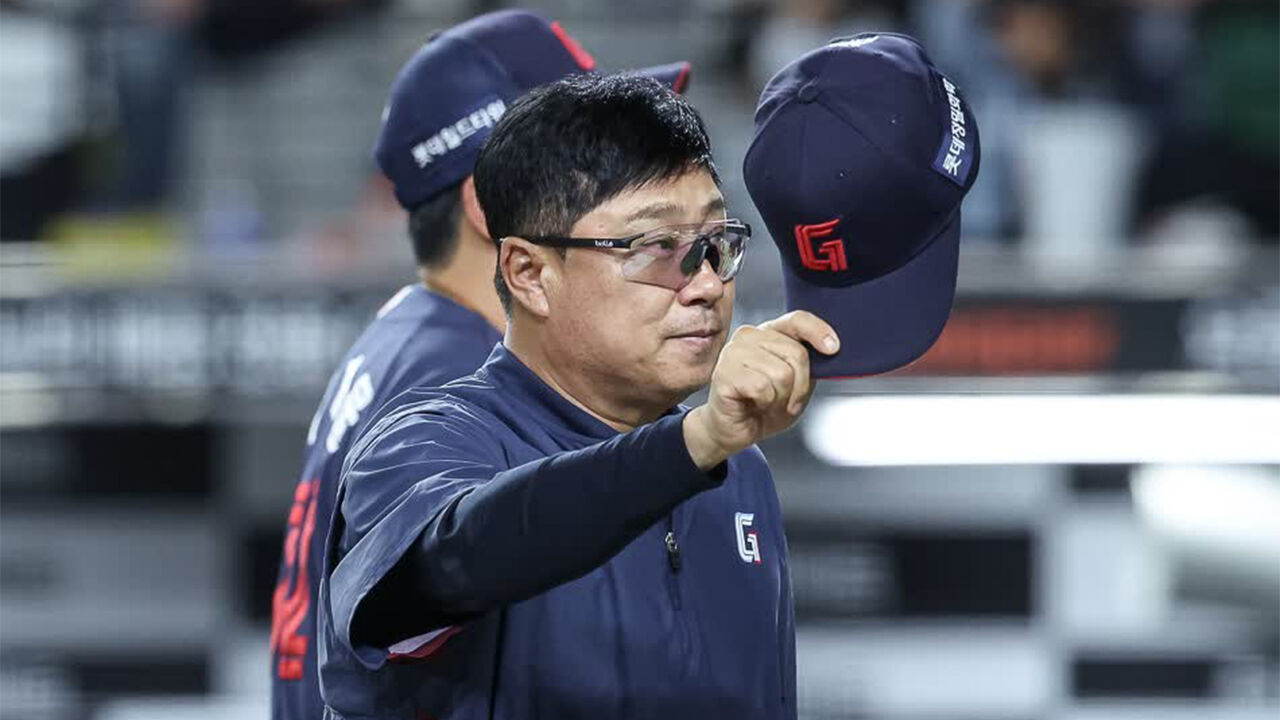
Summary As his three-year contract draws to a close without a postseason berth, Lotte Giants manager Kim Tae-hyoung has offered a remarkably frank and dignified farewell, refusing to blame anyone but himself for the team's underwhelming performance. Speaking to reporters ahead of the final regular-season game of the 2026 KBO League against the Doosan Bears at Seoul's Jamsil Baseball Stadium, Kim made it clear that a manager must take ultimate accountability when results fall short of expectations.
"The front office gave me a three-year deal precisely so I could deliver results within three years," Kim stated bluntly. "After failing to produce those results, you cannot make excuses like 'it was disappointing' or 'if given more time, I could make it happen.' If you didn't accomplish the mission within three years, it is entirely the manager's fault."
Kim arrived at the Busan-based Lotte Giants in 2024 carrying immense expectations. Renowned throughout Korean baseball history as a proven championship manager who orchestrated multiple Korean Series titles during his storied tenure with the Doosan Bears, Kim was viewed by Lotte fans as the messiah who could end decades of heartbreak. In South Korean professional sports, the Giants hold a near-mythic status: based in the passionate southern port city of Busan, their fan base is celebrated as the most fervently devoted—and demanding—in Korean baseball. However, the Giants have long been plagued by championship droughts and repeated failures to reach "Autumn Baseball" (Gaeul Yagu), the cherished Korean term for the postseason tournament.
Despite high hopes, Kim's three seasons concluded without a single playoff ticket. Finishing either seventh or eighth place depending on the season finale outcome, Kim’s tenure suffered from persistent depth issues. While rivals bolstered their rosters through high-profile free-agent signings and depth reinforcements, the Giants operated under restrained spending without notable external acquisitions. Yet Kim adamantly declined to point fingers at the front office's lack of support. "When I was appointed, I promised to aim for a championship within three years, and if that promise is broken, someone must take responsibility," Kim noted, adding that leading existing talent to victory was his duty and failing to do so reflected his own shortcoming as a tactician.
Looking back, Kim pointed to the previous season as his greatest regret, when the Giants stood strong in third place through the first half before suffering a devastating 12-game losing streak that dismantled their postseason dreams. While acknowledging pride in stabilizing the team's central core positions, he cautioned that the roster remains vulnerable to injuries and slumps without deeper backup talent.
Addressing his looming departure, Kim revealed that without any contract extension talks from management, his departure appears virtually sealed, with a formal meeting scheduled with the club president in Busan. Marking his final regular-season contest at Jamsil Stadium—the historic venue where he began his career during the 1988 Seoul Olympics era as an OB Bears catcher—Kim struck a bittersweet, reflective tone, wrapping up a defining chapter in modern KBO managerial history.
Sponsored · Ad