France on High Alert as Calls for 'Halloween Revolution' Threaten Nationwide Unrest
Key Points
- What happened: French authorities have mobilized 70,000 security personnel and armored vehicles ahead of planned nationwide protests calling for a 'Halloween Revolution' on October 31.
- Why it is notable: The protests originated from high school demonstrations over educational conditions and escalated rapidly into broader social unrest coordinated via social media.
- Key background: While protests remain permitted, rallies inciting revolution or entering high-risk city centers have been banned to deter potential rioting and looting.
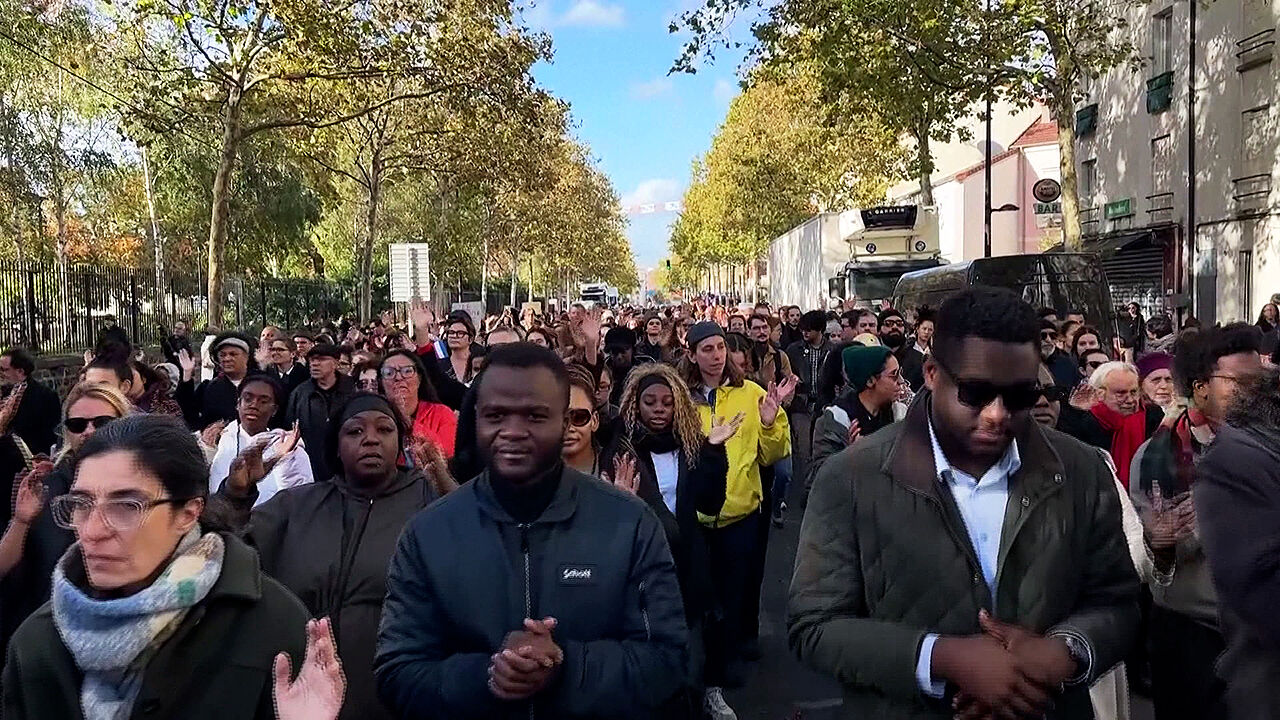
Summary French authorities are on high alert ahead of the weekend as calls for a massive nationwide demonstration on October 31 have circulated widely across social media under the rallying cry of a "Halloween Revolution." What initially began as student-led demonstrations demanding improvements to educational conditions has escalated rapidly, expanding into widespread civil unrest across the country.
The situation grew increasingly volatile after online platforms saw a surge of posts encouraging people to take to the streets on Saturday, October 31, using the Halloween holiday as a backdrop to push for radical social and political confrontation. In response, government officials announced a series of strict security measures designed to prevent urban disruption and maintain public safety. While peaceful gatherings will still be permitted in designated areas, demonstrations will be strictly barred from city centers where the risk of riots is high, and any gatherings explicitly inciting insurrection or revolution have been prohibited outright.
To manage potential unrest, law enforcement agencies are mounting an extensive nationwide security operation. Approximately 70,000 police officers and gendarmes will be deployed across France. In addition, authorities have mobilized elite tactical units, armored vehicles, and water cannons to counter anticipated violent clashes, property destruction, and looting.
Korean media outlets closely follow such major international developments, highlighting how student-driven activism in Europe can rapidly transform through digital networks into broad, high-stakes confrontations that test state security infrastructures.
Sponsored · Ad