Catastrophic High-Speed Train Collision in Spain Leaves at Least 68 Dead, Two South Koreans Injured
Key Points
- At least 68 passengers were killed and nearly 100 injured when a high-speed train traveling at an estimated 200 km/h rear-ended a stationary train in Toledo, Spain.
- The incident drew intense attention in South Korea as ten South Korean nationals were on board, two of whom suffered minor injuries.
- The disaster occurred after traffic control cleared the trailing train to resume running despite an unresolved automated control system failure.
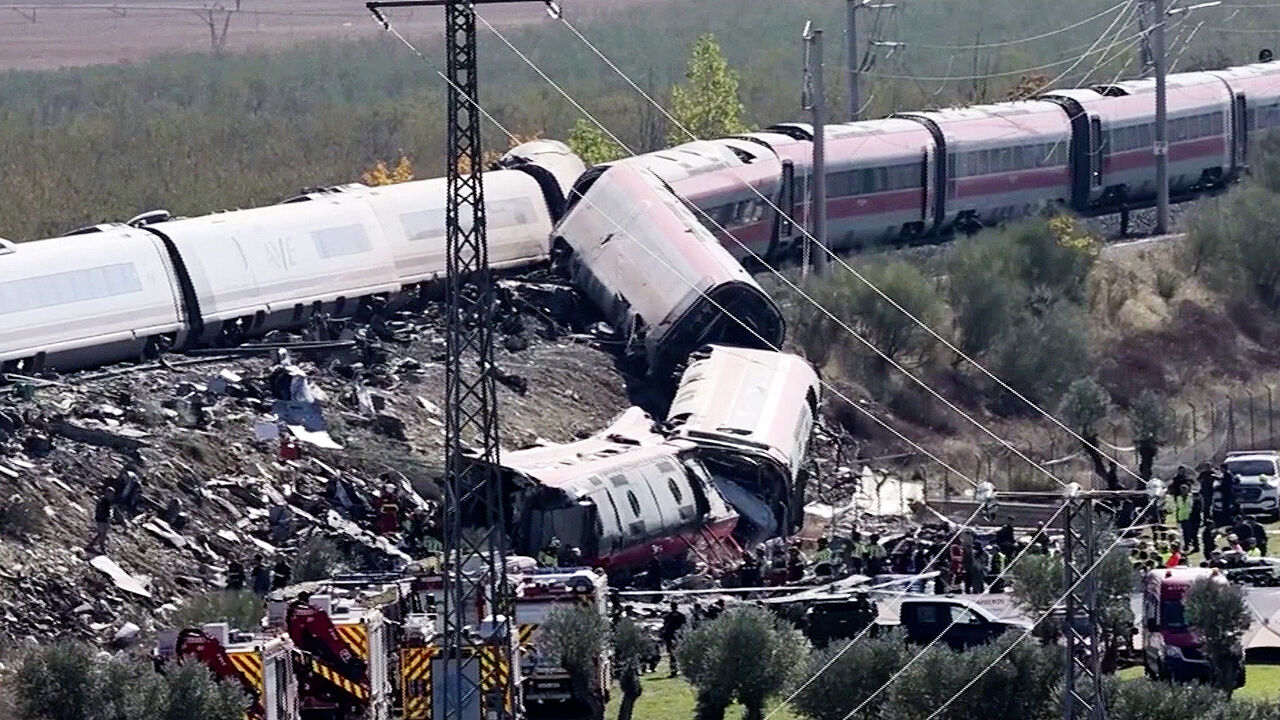
Summary A catastrophic high-speed train collision in Toledo, Spain, has left at least 68 people dead and nearly 100 injured, sending shockwaves internationally and drawing intense concern in South Korea after it was confirmed that ten South Korean nationals were aboard the trains. According to the South Korean Embassy in Spain, two South Korean passengers sustained minor injuries and received treatment at a local hospital, while the remaining eight escaped unharmed.
The disaster unfolded around 9:00 a.m. local time on October 28 in the Toledo region when two high-speed trains carrying a combined total of 544 passengers collided. Survivors described harrowing scenes of sudden, violent impact. One passenger, Rafael Barcelo, recounted having breakfast and coffee when a tremendous jolt threw passengers through the air. The collision derailed passenger cars and flipped them off the tracks, leaving carriages mangled as emergency search-and-rescue teams combed the wreckage for survivors. Regional officials in Castilla-La Mancha noted that around 15 of the injured remain in critical condition.
Preliminary reports indicate the crash stemmed from a severe signaling and dispatch failure. An initial automatic control system malfunction had brought rail operations to a halt in the area. However, before the system could be restored, rail traffic control authorized a trailing train to resume operation. Traveling approximately 25 kilometers—reportedly reaching speeds near 200 km/h—the rear train slammed into the stationary train ahead. Spanish Transport Minister Óscar Puente voiced bewilderment over why controllers ordered the train to proceed, while surviving passengers expressed outrage over how critical stop alerts failed to transmit to the oncoming train despite the front train having stood stationary for five to ten minutes.
In South Korea, major foreign transport disasters involving Korean citizens consistently dominate headline news. South Korean media and diplomatic missions closely monitor overseas incidents to swiftly verify the safety of citizens traveling or living abroad, providing immediate updates through consular channels. Spanish Prime Minister Pedro Sánchez declared three days of national mourning following the tragedy, which marks another devastating blow to the nation's rail network following a fatal high-speed rail accident that claimed 46 lives earlier this year.
Sponsored · Ad