$50,000 Per Transit: Tanker Hazard Pay Soars as Crews Brave Iranian Attacks in the Strait of Hormuz
Key Points
- Tanker captains and crew members are receiving historic hazard pay, including $50,000 bonuses per crossing and salaries over six times higher than normal, to transport crude through the conflict-ridde
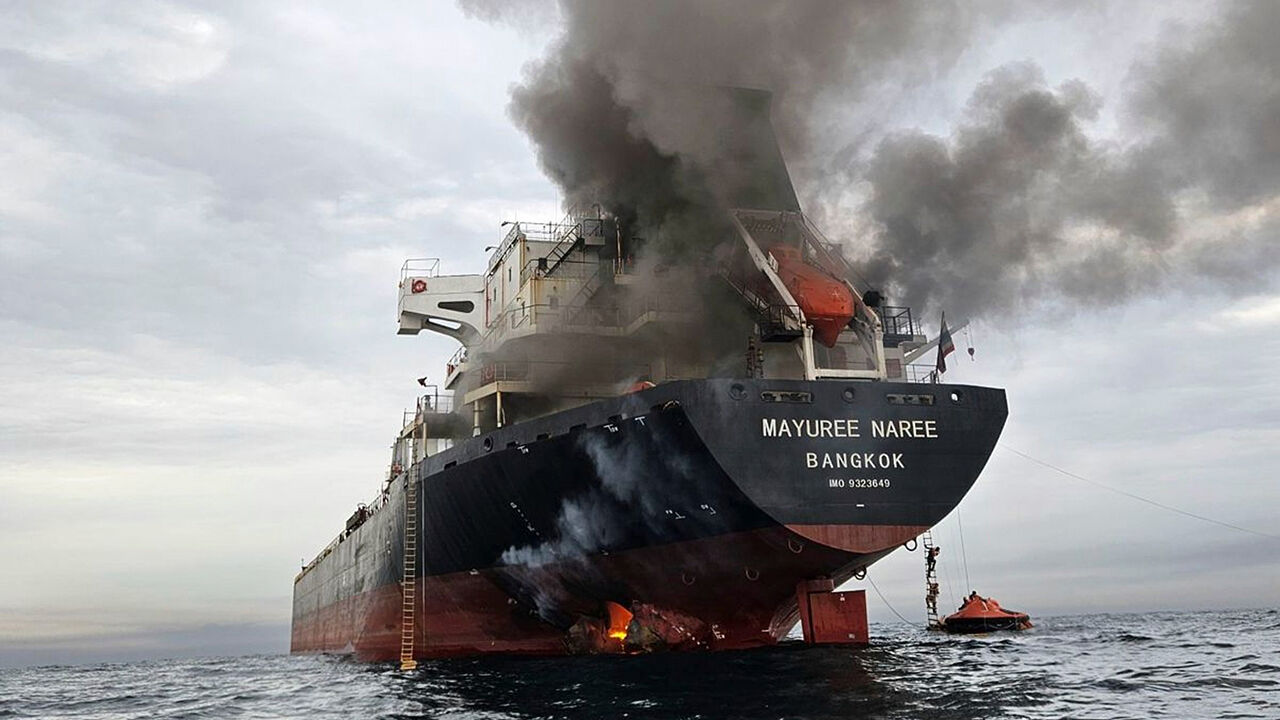
- The steep hazard pay reflects heightened tensions and missile attacks targeting Gulf 'shuttle tankers,' which have seen 93 ships attacked and 24 sailors killed since February.
- While high wages lure sailors from countries like India and the Philippines, labor unions warn that some seafarers face coercive pressure from shipowners under threat of job loss.
Summary Escalating conflict and missile attacks by Iran in the Strait of Hormuz have triggered an unprecedented surge in hazard pay for commercial oil tanker crews daring to navigate the perilous maritime chokepoint. According to industry reports citing the Financial Times, shipping operators and Gulf oil producers are offering staggering financial incentives to keep vital crude shipments flowing out of the Persian Gulf amidst wartime disruptions.
Under these extreme conditions, tanker captains can command monthly base salaries reaching $100,000—more than six times the standard rate of around $15,000—alongside additional lump-sum bonuses of $50,000 (roughly 70 million Korean won) for each successful transit through the strait. Regular deckhands and crew members, whose baseline monthly pay typically starts around $1,500, are seeing their wages jump four to six times higher when assigned to Hormuz routes.
The high-stakes operations revolve around specialized 'shuttle tankers' organized by Gulf oil producers, including Saudi Arabia and the United Arab Emirates, designed to quickly ferry oil out of the Persian Gulf in short, repeated, high-risk dashes. With crude commanding premium prices once clear of Iranian interference, tanker operators consider exorbitant hazard allowances a necessary cost of doing business. However, the perilous runs have drawn comparisons to high-risk mercenary work, with maritime authorities documenting 93 vessel attacks and 24 crew fatalities since the outbreak of hostilities in late February.
Despite the life-threatening risks—with around 2% of transiting vessels targeted in recent months—many sailors from developing countries such as the Philippines, India, and Indonesia feel compelled to board due to the transformative financial rewards. Yet concerns over coercion have also surfaced; maritime labor representatives note that some crew members face threats of docked repatriation fees or immediate termination if they refuse dangerous deployments, placing vulnerable seafarers in an agonizing dilemma between their livelihoods and their lives.
Sponsored · Ad