Supply Chain Paralysis and Panic Buying Grip Italy as Nationwide Strikes and Fuel Protests Escalate
Key Points
- Italian truck drivers protesting a 30% surge in diesel prices and the expiration of fuel tax cuts have blockaded distribution centers, leading to empty supermarket shelves and panic buying across Napl
- The unrest is gaining attention in Korean news as labor strikes simultaneously halt performances at Milan's iconic La Scala opera house and anti-inflation riots prompt the deployment of 500 military t
- The report highlights how global fuel price shocks and the rollback of emergency subsidies can rapidly cascade into food logistics gridlock and broader civil disruption.
Summary Italy is facing widespread social and economic disruption as nationwide strikes and anti-government demonstrations paralyze key supply chains and public services. Triggered by soaring living costs and surging fuel prices, protests spearheaded by freight truckers have entered their second week, leaving supermarket shelves bare and sparking panic buying across major regions including Naples and Sicily.
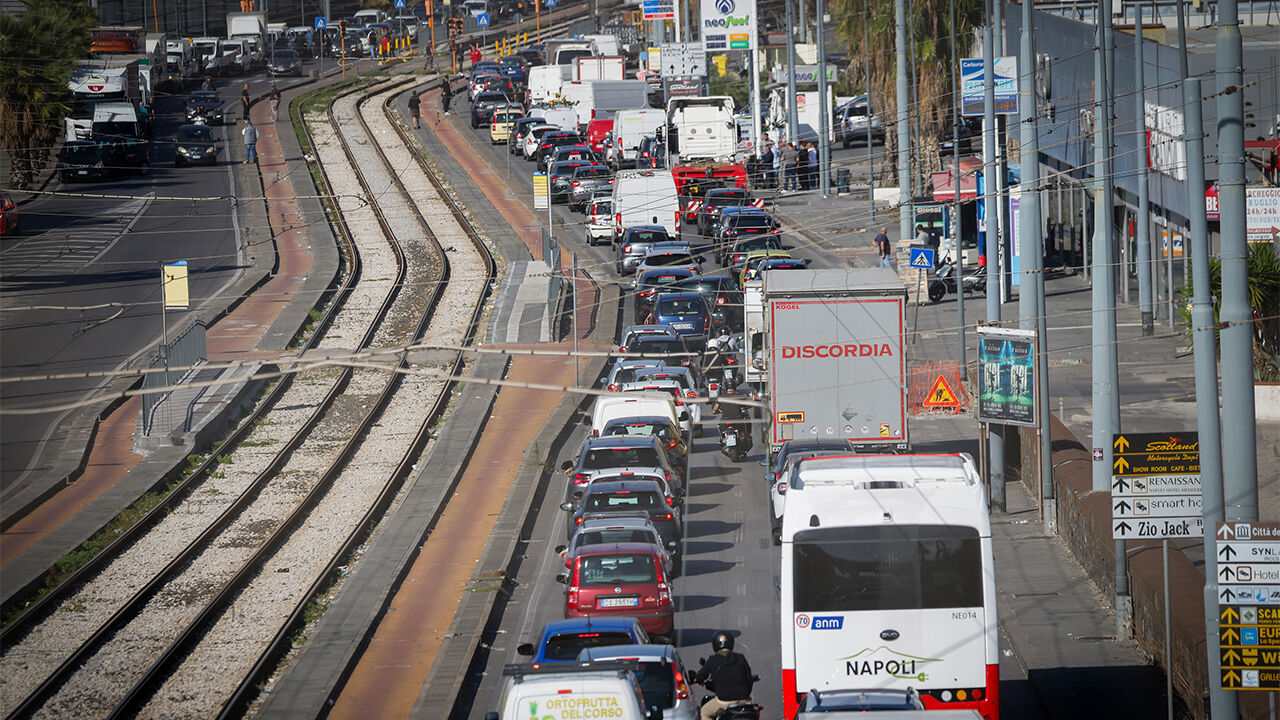
According to Italian reports cited by South Korean media, truck drivers centered around Naples have been protesting a sharp spike in diesel costs, which have jumped by roughly 30% compared to levels prior to recent Middle East turmoil. The strain on freight operators was further exacerbated after temporary government tax reductions on diesel expired earlier this month. In response, protesting truckers established blockades around regional distribution hubs near Naples, halting the loading and unloading of fresh produce and essential groceries. The resulting logistical bottleneck has triggered runs on supermarkets, leaving store aisles emptied of staples such as pasta, meat, and fresh agricultural goods in parts of southern Italy and Sicily, alongside spot shortages at regional fueling stations.
In an effort to defuse the standoff, Deputy Prime Minister and Minister of Infrastructure and Transport Matteo Salvini met with transport industry representatives to negotiate potential tax credits and freight rate subsidies. However, labor unrest extends well beyond logistics. Workers at Milan’s prestigious Teatro alla Scala—one of the world’s foremost opera houses—have been on strike since October 12 demanding better working conditions and pay increases, forcing the cancellation of major productions such as 'Faust.' Meanwhile, anti-inflation protests in Milan deteriorated into violent unrest and looting, prompting authorities to deploy 500 military personnel to restore order as grassroots protest groups vow to sustain weekly demonstrations against the government.
For international audiences, the Korean media coverage of Italy’s compounding crises reflects heightened global sensitivity to supply chain shocks and cost-of-living volatility. In South Korea, where export-dependent logistics, fuel subsidies, and transport union walkouts regularly make top headlines, news outlets closely track how global inflation and fuel crunches trigger systemic ripple effects across everyday consumer goods and cultural institutions abroad.
Sponsored · Ad