Hackers Turn Supermarket Fridges to 50°C Across 11 European Countries, Spoiling Food and Emptying Shelves
Key Points
- A wave of cyberattacks has remotely altered commercial refrigeration systems to 50°C across supermarkets in at least 11 European nations, forcing widespread disposal of spoiled groceries.
- The story is trending across Korean international news feeds due to the surreal nature of the hack and the bizarre sight of emptied, overheated supermarket displays.
- Investigators attribute the breach to outdated legacy equipment connected directly to the web without critical security patches, warning of rising vulnerabilities in automated supply chains.
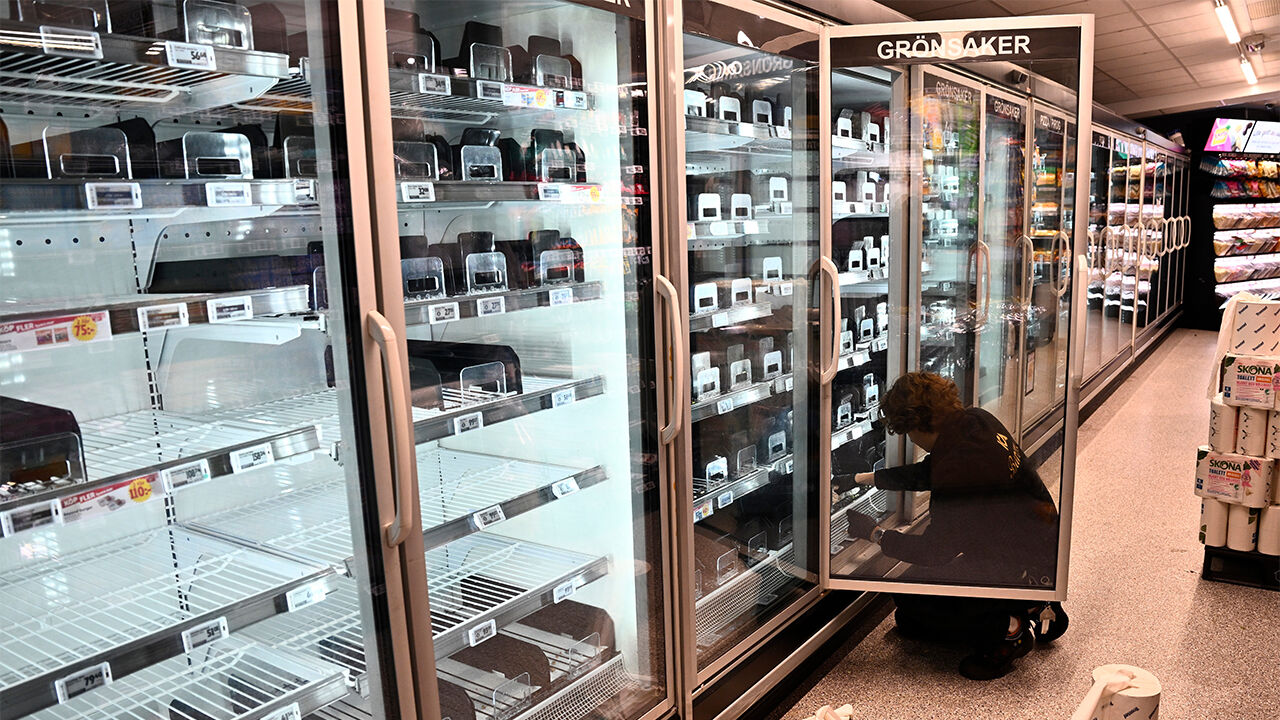
Summary Supermarkets across Europe are facing an unprecedented and bizarre cybersecurity crisis: hackers are remotely tampering with commercial refrigeration systems and cranking up temperatures to 50 degrees Celsius (122 degrees Fahrenheit), leaving grocery shelves cleared and tons of perishable food spoiled.
According to international reports featured in South Korean media, the cyberattacks initially surfaced in France in mid-October, where roughly 700 stores saw their walk-in coolers and freezers altered. Within just two weeks, the intrusion swept across at least 11 European countries, including the United Kingdom, Germany, Italy, Belgium, Luxembourg, Sweden, Estonia, and Romania. Belgium and Italy have been hit particularly hard, with dozens of grocery chains and local cooperatives forced to throw out entire stocks of fresh groceries and meats, tallying thousands of euros in losses per outlet. In the UK, independent meat processors reported refrigeration units thawing or spiking rapidly in temperature overnight.
Cybersecurity experts point out that the root cause lies in outdated legacy equipment connected directly to the internet for remote management without timely security patches. Danish refrigeration software giant Danfoss urged operators to disconnect systems from the internet until critical security updates are completed. Complicating matters, many European supermarket networks operate under fragmented, cooperative models where cybersecurity protocols and hardware updates vary wildly from branch to branch.
While the European Union has recognized the incident as a coordinated disruption to food supply chains and launched joint countermeasures, cybersecurity analysts warn this could merely be the beginning. With the aid of modern scanning tools and artificial intelligence, bad actors can effortlessly uncover neglected vulnerabilities in everyday commercial infrastructure. Though investigators currently suspect amateur perpetrators rather than state-sponsored groups, the incident serves as an alarming wake-up call regarding the fragility of modern food supply chains in the digital era.
Sponsored · Ad