From Ramyeon to K-Beauty: 100 Korean Brands Take Over Manhattan for 'Kkoom Week' in New York
Key Points
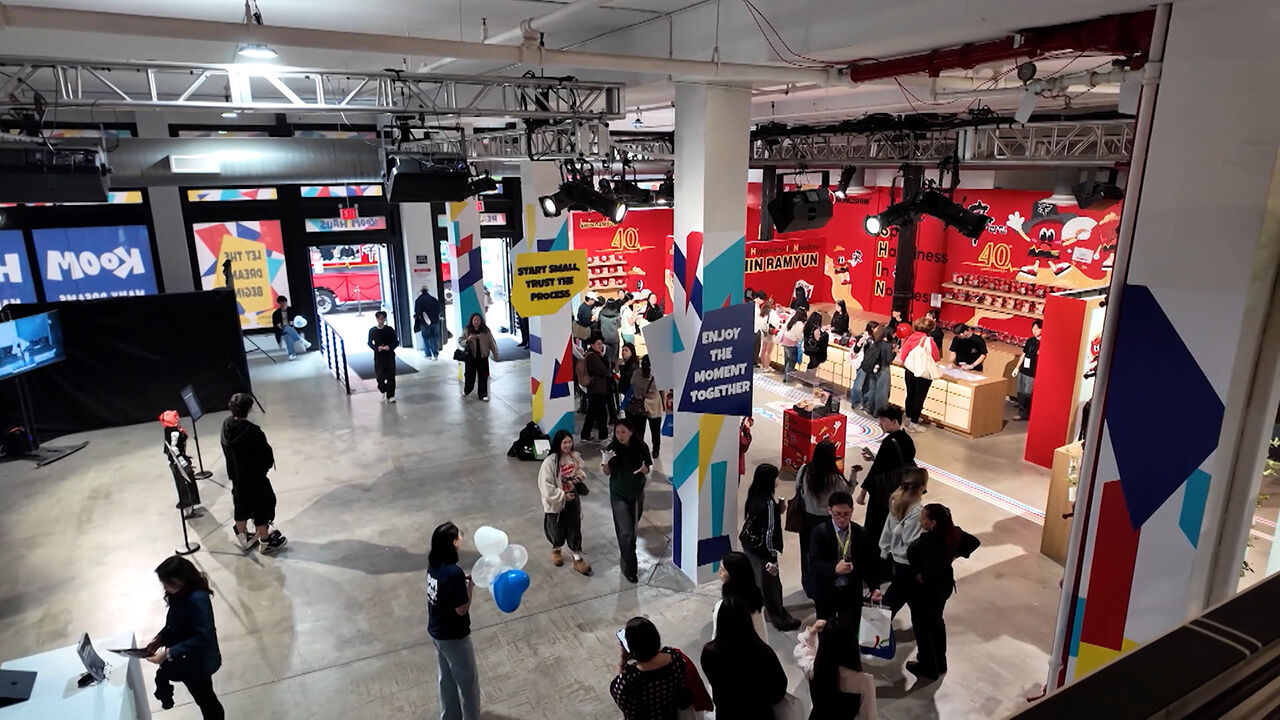
- More than 100 South Korean brands hosted pop-up showcases in Manhattan during 'Kkoom Week', drawing roughly 100,000 local attendees and 200 US investment firms.
- Senior Korean founders who built major ventures in the US organized the event voluntarily to mentor emerging startups on adapting and expanding sustainably abroad.
- Named after the Korean word for 'dream' (kkoom), the festival reflects how the K-wave is broadening from pop entertainment into food, lifestyle, and startup ventures.
Summary In the heart of Manhattan, New York, an energetic multi-day festival called 'Kkoom Week' ('Dream Week') brought together over a hundred South Korean brands eager to break into the American market. Drawing an estimated 100,000 visitors and more than 200 local investment firms, the event showcased a vibrant pop-up marketplace featuring everything from Korean ramyeon and specialty domestic fruits to innovative skincare lines. Long tasting queues formed as curious New Yorkers sampled instant noodles, while aspiring K-beauty brands meticulously observed consumer testing and gathered direct feedback on American soil.
The name of the festival, 'Kkoom' (꿈), translates literally to 'Dream' in Korean, encapsulating the aspirations of founders venturing abroad into uncharted territory. Rather than a conventional corporate expo, Kkoom Week was organized voluntarily by seasoned Korean-American entrepreneurs and mentors who previously navigated the challenges of entering the US market. The initiative was designed specifically to mentor newcomer founders, provide vital connections to US investors, and test products directly against local consumer tastes.
Among the prominent mentors sharing battle-tested advice was Saeju Jeong, co-founder of health platform Noom, who originally arrived in New York with just 5 million won (around $4,000) after dropping out of college and built a multi-trillion-won enterprise. Addressing the next wave of founders, Jeong emphasized agility and resilience, remarking that survival in the startup ecosystem belongs not to the strongest, but to those who adapt fastest to changing environments. Similarly, Ryan Kim, head of Kim'C Market—a platform distributing premium ingredients from Korean artisans to top US dining establishments—advised a patient, phased strategy. He cautioned against aiming for rapid overnight results, urging founders to build steady presence over at least three years to withstand the financial risks of sudden setbacks.
Now in its second year, Kkoom Week illustrates how the global Korean wave (Hallyu) is expanding beyond media and pop music into everyday consumer products, lifestyle brands, and entrepreneurial mentorship networks across North America.
Sponsored · Ad