Did Amelia Earhart's Vanished Plane Finally Reappear? The Truth Behind the South Pacific Anomaly
Key Points
- A 17-member scientific expedition traveled to Nikumaroro Island in the South Pacific to investigate a satellite-spotted object suspected to be the wing of Amelia Earhart's missing aircraft.
- On-site analysis revealed that the shiny, wing-like object was merely an optical illusion caused by hardened carbonate coral sand and a Y-shaped piece of driftwood.
- The findings debunk the latest clue tied to the popular castaway hypothesis, leaving the 89-year-old aviation mystery unsolved.
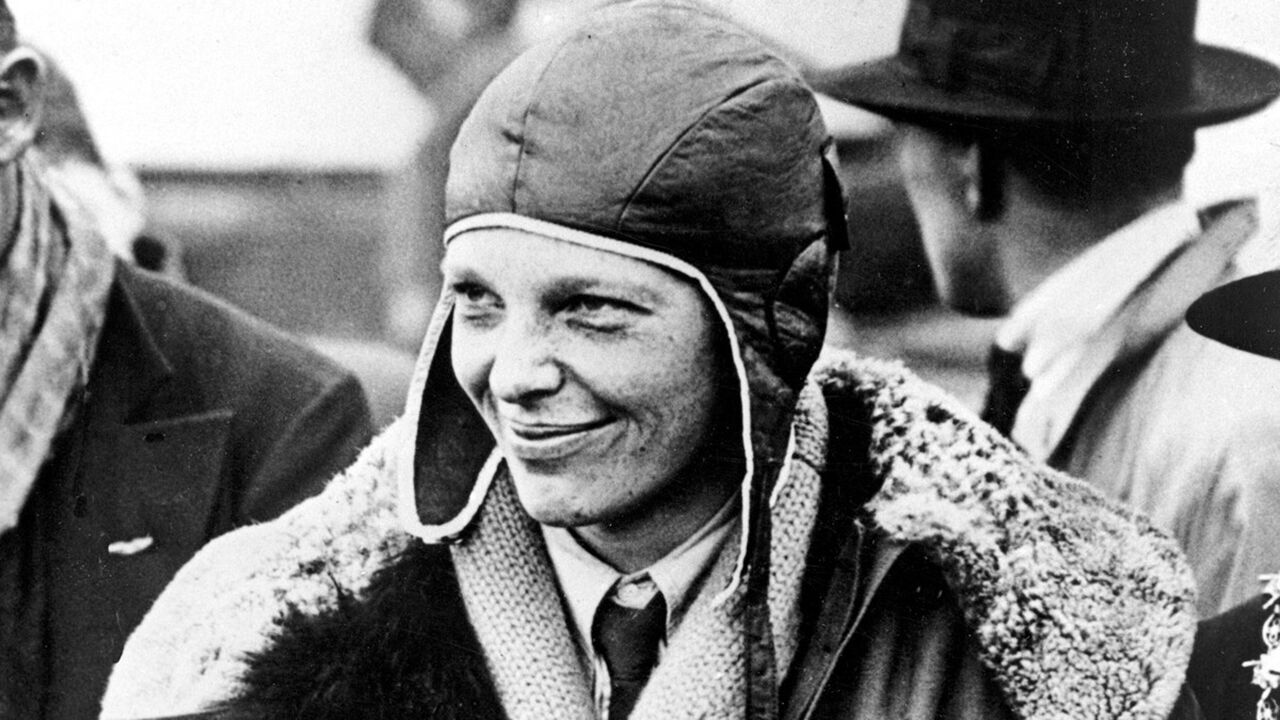
Summary For nearly nine decades, the mysterious disappearance of pioneering American aviator Amelia Earhart has captivated the world, recurring in international headlines and digital forums alike. Earhart vanished in 1937 over the Pacific Ocean alongside navigator Fred Noonan while attempting an ambitious circumnavigation of the globe. With no wreckage ever recovered, the incident became aviation history's greatest enduring mystery, spawning theories ranging from open-sea ditching and castaway survival to wild folklore.
Recent excitement surged when Michael Ashmore, an amateur researcher scanning satellite maps online in 2020, spotted what appeared to be an aircraft wing resting in the shallow waters off the Taraia spit of Nikumaroro Island in the South Pacific. The location was especially notable because aviation theorists have long hypothesized the "castaway theory"—suggesting Earhart did not plunge straight into the deep sea, but instead made an emergency landing on Nikumaroro and lived stranded for a time. The satellite imagery revealed a shape resembling a metallic wing reflecting sunlight beneath the water.
To investigate whether this was truly Earhart's long-lost plane, an on-site expedition team of 17 experts—including Purdue University legal counsel Steve Schultz and Rick Pettigrew from the Archaeological Legacy Institute—set out for Nikumaroro. Departing from Tarawa in Kiribati on October 7, the team battled severe weather that trapped them on their vessel for three days before they finally managed four days of on-site survey using advanced tidal and meteorological sensors.
On October 19, the team delivered their definitive findings, closing the chapter on the suspected site dubbed the 'Trio Objects'. The metallic sheen captured by satellite sensors was not airplane aluminum, but an optical illusion created by a hardened carbonate crust formed over coral sands. Furthermore, the supposed wing turned out to be mere ocean drift debris, with only a Y-shaped piece of wood remaining by the time researchers arrived. While the finding dashed hopes of solving the 89-year-old riddle, Schultz echoed Earhart's famous sentiment: "Adventure is worthwhile in itself," leaving aviation's ultimate cold case open for future explorers.
Sponsored · Ad