Scripted down to the minute: Trump and Xi spar over format for high-stakes summit
Key Points
- U.S. President Donald Trump and Chinese President Xi Jinping are locked in a standoff over summit format, with Trump seeking unscripted dialogue and Xi insisting on strictly choreographed, pre-agreed
- The confrontation threatens a proposed trilateral APEC summit with Russia as Washington pushes to include Beijing's rapidly expanding nuclear arsenal in disarmament talks.
- Chinese diplomacy is notoriously managed down to the minute, and analysts note Xi is especially cautious about unpredictable foreign encounters ahead of the 2027 Party Congress.
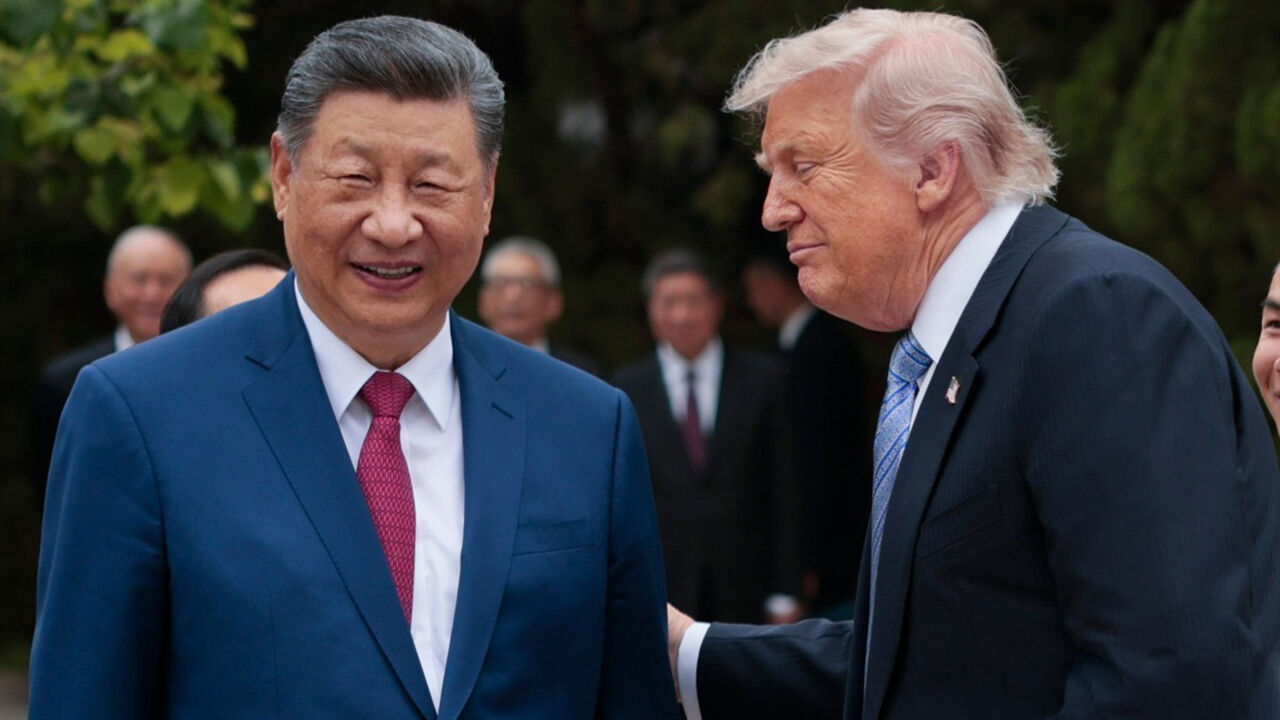
Summary A high-stakes clash of diplomatic styles has emerged between Washington and Beijing ahead of a proposed trilateral summit involving the United States, China, and Russia. According to reports from the Wall Street Journal cited by Korean broadcaster SBS, U.S. President Donald Trump and Chinese President Xi Jinping are engaged in a tense standoff over the ground rules of their potential meeting on the sidelines of the Asia-Pacific Economic Cooperation (APEC) summit in Shenzhen.
The core dispute lies in presidential protocol versus freewheeling rhetoric. While Trump has pushed for an unscripted, impromptu exchange where leaders can speak their minds openly, President Xi insists on strictly adhering to pre-cleared, agreed-upon public statements. Observers note that Chinese statecraft traditionally relies on meticulous stage management, where meetings with foreign counterparts are choreographed down to the minute with zero room for ad-libbing. For Xi, stepping into an unscripted arena with an unpredictable U.S. counterpart poses a massive political risk, particularly as Beijing prepares for the pivotal 21st National Congress of the Chinese Communist Party in 2027.
Beneath the disagreement over meeting formats lies a critical security impasse: nuclear arms control. The U.S. administration has prioritized bringing China into trilateral disarmament frameworks, citing Beijing's rapidly expanding nuclear arsenal. Washington previously declined to extend the New START treaty with Russia on the grounds that bilateral pacts leaving China out place the U.S. at a disadvantage. While research from the Stockholm International Peace Research Institute (SIPRI) indicates the U.S. and Russia still hold vastly superior stockpiles of over 5,000 warheads each compared to China's estimated 620, Beijing's rapid modernization alarms Washington.
Chinese leadership, conversely, fears that Trump could corner Xi on the spot with nuclear demands or spin post-meeting agreements unilaterally. With former diplomatic officials emphasizing that Beijing strongly favors compartmentalizing bilateral relationships rather than risking unpredictable multilateral summits, analysts warn that this battle of formats may derail the summit altogether before it even begins.
Sponsored · Ad