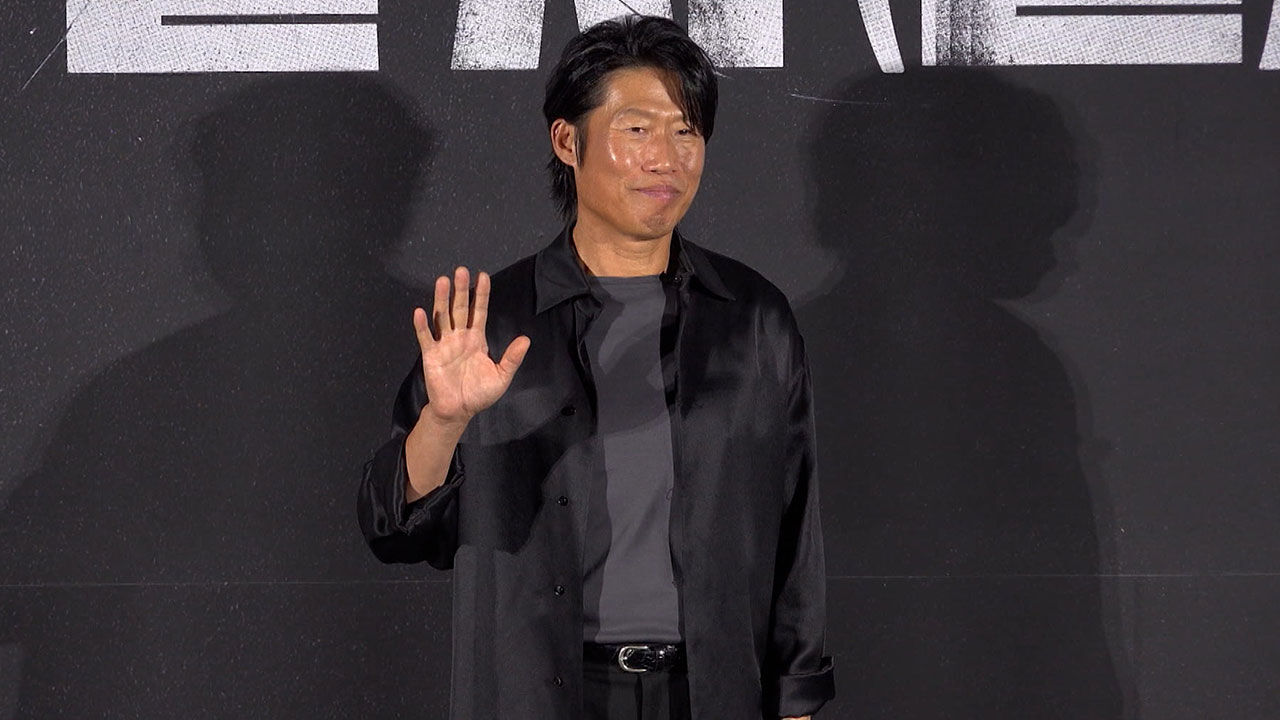
Police Lift Special Protection for Actor Yoo Hae-jin Amid Film Controversy Backlash
Key Points
- Police in Seoul lifted personal security protection for actor Yoo Hae-jin after his agency requested the measures be ended.
- The actor had received police patrols and an emergency smartwatch following protests outside his residence and online threats over his film 'Assassins.'
- Police denied allegations of celebrity favoritism, clarifying that safety measures were implemented through standard threat assessment procedures following historical controversy around the project.
Summary Police in Seoul have officially lifted personal security protection for veteran actor Yoo Hae-jin following intense public backlash and threats linked to his role in the film "Assassins" (영화 '암살자(들)'). The decision was confirmed on October 15 during a parliamentary audit of the Seoul Metropolitan Police Agency before the National Assembly's Public Administration and Security Committee.
Police Commissioner Ko Beom-seok addressed the matter after People Power Party lawmaker Kang Myung-gu questioned the status of the actor's security detail. According to Commissioner Ko, the protective measures were terminated after the actor's agency formally requested the withdrawal a couple of days prior.
The heightened safety measures were initially instituted on October 6 by the Seoul Seongbuk Police Station following a direct request from Yoo's management agency. Authorities had provided the actor with an emergency smartwatch linked to rapid police dispatch, registered his profile in the 112 emergency response network, and significantly increased regular police patrols around his private residence. These precautions were prompted by rising safety concerns after conservative civic groups staged protest rallies directly in front of his home and various threatening messages surfaced across online platforms.
The incident sparked a heated public conversation in South Korea over whether celebrities receive preferential treatment from law enforcement. Addressing these criticisms, police officials explicitly clarified that Yoo did not receive special favors simply because of his celebrity status. Instead, authorities emphasized that the protective protocols followed standard administrative procedures: after receiving a formal safety request from the agency, police conducted an official review of the threats and deemed temporary intervention necessary.
The intense hostility directed at Yoo Hae-jin stemmed from his appearance in "Assassins," which recently ignited severe controversies over alleged historical distortion. In South Korea, period films and cinematic depictions of sensitive modern historical events often become flashpoints for fierce ideological disputes, with conservative politicians and civic activist groups frequently launching vocal public boycotts and protests against works and actors involved in contentious historical narratives.
Sponsored · Ad