Middle East Crude Exports Rebound Beyond Pre-War Levels Despite Regional Conflict
Key Points
- Middle East oil exports have exceeded pre-war levels to top 24 million barrels per day, driven by overland pipeline diversions and shuttle tanker runs.
- The swift adaptation of high-margin shipping networks and U.S. air cover has helped stabilize critical global crude supply lines amidst ongoing maritime threats.
- Saudi Arabia and the UAE rerouted about 40% of their regional exports around the Strait of Hormuz, diminishing Iran's strategic leverage over regional oil corridors.
Summary Middle East crude oil exports have surpassed pre-war levels despite ongoing regional conflict with Iran, reaching an average of over 24 million barrels per day according to tanker tracking data from Kpler. This exceeds the pre-conflict benchmark of 23.3 million barrels per day, demonstrating remarkable resilience through tactical rerouting, maritime transshipment, and military air cover.
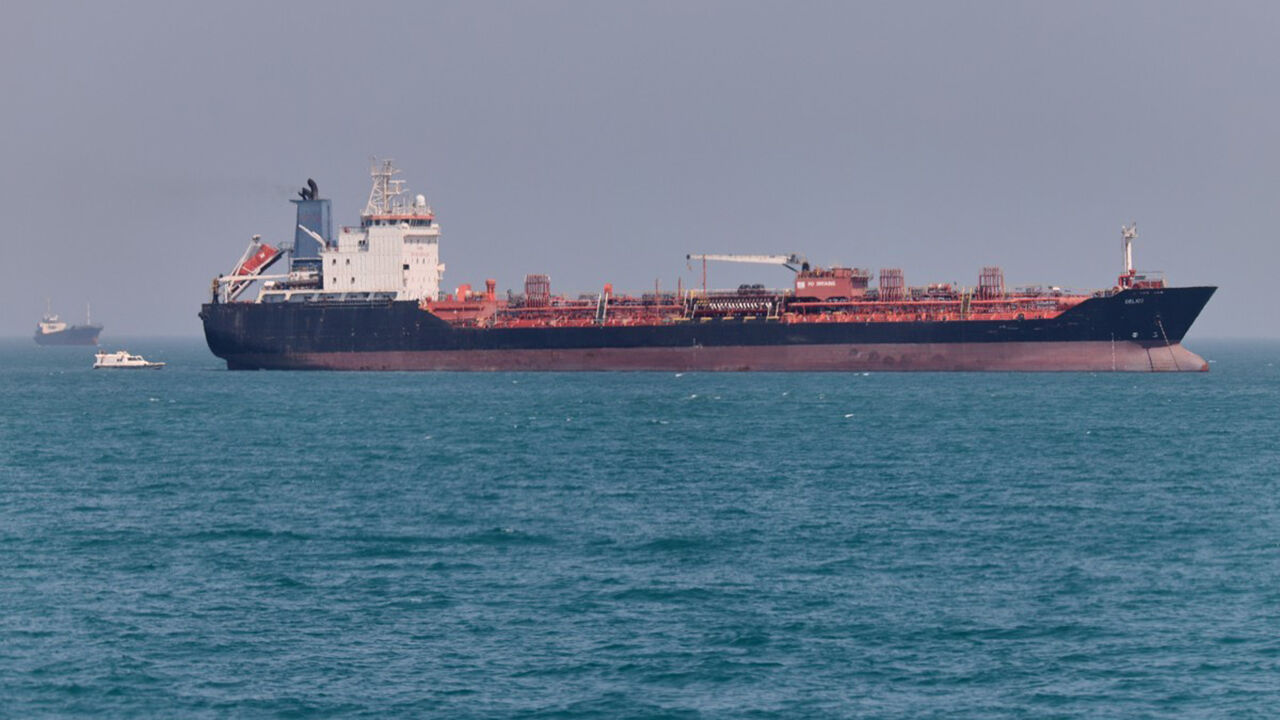
To bypass the hazardous Strait of Hormuz—where Iranian attacks against commercial vessels have persisted—exporters such as Saudi Arabia and the United Arab Emirates significantly ramped up inland pipeline transfers. Kpler estimated that approximately 40% of non-Iranian Gulf oil exports bypassed the strait last month. In addition, an innovative 'shuttle operation' system has rapidly taken root: smaller tankers load crude inside the Persian Gulf, navigate the strait with tracking transponders turned off, and transfer oil onto long-haul vessels waiting off the coast of Oman before looping back.
This high-risk logistics network is fueled by lucrative financial margins. Iraqi crude oil can be resold at a premium of $20 per barrel over pre-war rates, yielding up to $40 million in additional profit per very large crude carrier (VLCC) voyage. Analysts estimate that just three shuttle runs can recoup the entire $100 million purchase price of a secondhand tanker. To incentivize crews navigating dangerous waters, crewing agencies have offered substantial hazard bonuses, with one Chinese agency paying up to $25,000 for a one-to-two-week round trip.
Supported by U.S. military air cover along dedicated maritime corridors off the Omani coast, daily oil volume moving through the Strait of Hormuz itself has rebounded to around 14 million barrels per day—approximately 82% of its pre-war baseline. Commodity economists note that these adapted shipping structures have significantly diminished Iran's ability to choke regional energy flows and weakened its diplomatic leverage against the United States, cementing a newly stabilized supply chain under wartime conditions.
Sponsored · Ad