DNA Testing Fails to Identify Remains from Japan's Submerged Chosei Wartime Coal Mine
Key Points
- Joint DNA analysis conducted by South Korea and Japan was unable to determine the identities of human remains recovered from the submerged Chosei coal mine.
- The site is deeply significant as 136 Korean laborers and 47 Japanese miners drowned there when sea tunnels flooded during World War II in 1942.
- Recent recovery efforts were driven by civic groups rather than official state operations, but work was halted earlier this year following the tragic death of a diver.
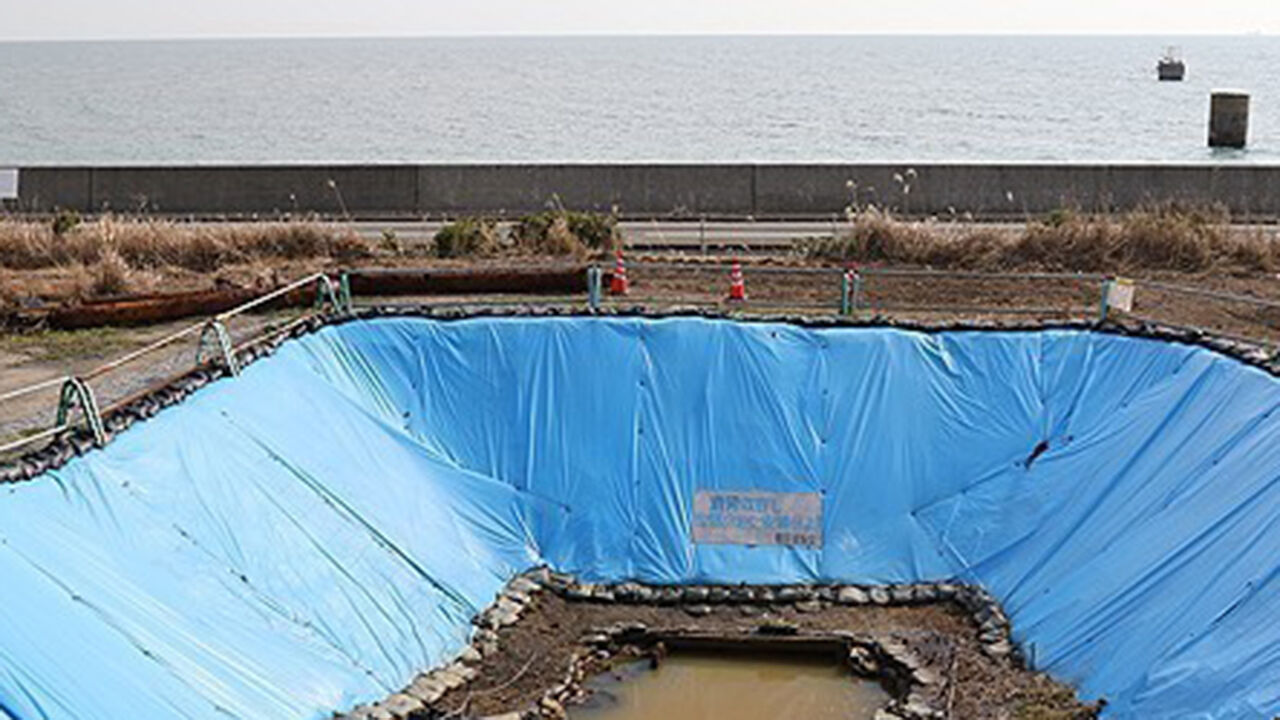
Summary Joint DNA testing conducted by the South Korean and Japanese governments has failed to identify human remains recovered from Japan’s submerged Chosei coal mine, the Japanese Ministry of Foreign Affairs announced. The undersea mine, situated off the coast of Ube in Yamaguchi Prefecture, was the site of a tragic 1942 disaster where 183 miners—including 136 mobilized Korean laborers—lost their lives when the mine tunnels collapsed and flooded.
The examined remains were retrieved during civil recovery operations carried out in August of last year and February of this year. While both governments agreed to cooperate on identification efforts through comparative DNA testing following a bilateral summit in January, authorities were unable to definitively match the remains to surviving relatives. Japan’s Foreign Ministry stated that it intends to maintain close cooperation with the South Korean government moving forward.
The Chosei coal mine disaster remains a poignant and painful chapter in wartime history. For decades, the remains of the 183 victims remained sealed beneath the seabed without official state recovery efforts. Recent recovery initiatives have been spearheaded primarily by Japanese civic groups, including the "Association to Inscribe the History of the Chosei Mine Flooding Disaster." However, the privately funded underwater recovery efforts suffered a severe setback in February when a Taiwanese diver tragically died during the operation, halting diving activities. Civic organizations continue to urge the Japanese government to step forward and take direct, active responsibility for continuing the recovery and identification process.
Sponsored · Ad