Nasdaq Plunges in Historic Rout as $2.5 Trillion Evaporates Overnight Amid Tech and AI Fears
Key Points
- The Nasdaq Composite tumbled 5.52% in its steepest single-day market cap loss ever, wiping out roughly $2.5 trillion as Tesla and Nvidia suffered steep sell-offs.
- The crash is drawing intense attention in Korea, where retail investors hold massive stakes in US megacap tech and AI semiconductor stocks.
- Investor panic was triggered by regulatory fears over AI data centers following US midterm election results, compounded by systematic selling and a 69.5% surge in the VIX fear gauge.
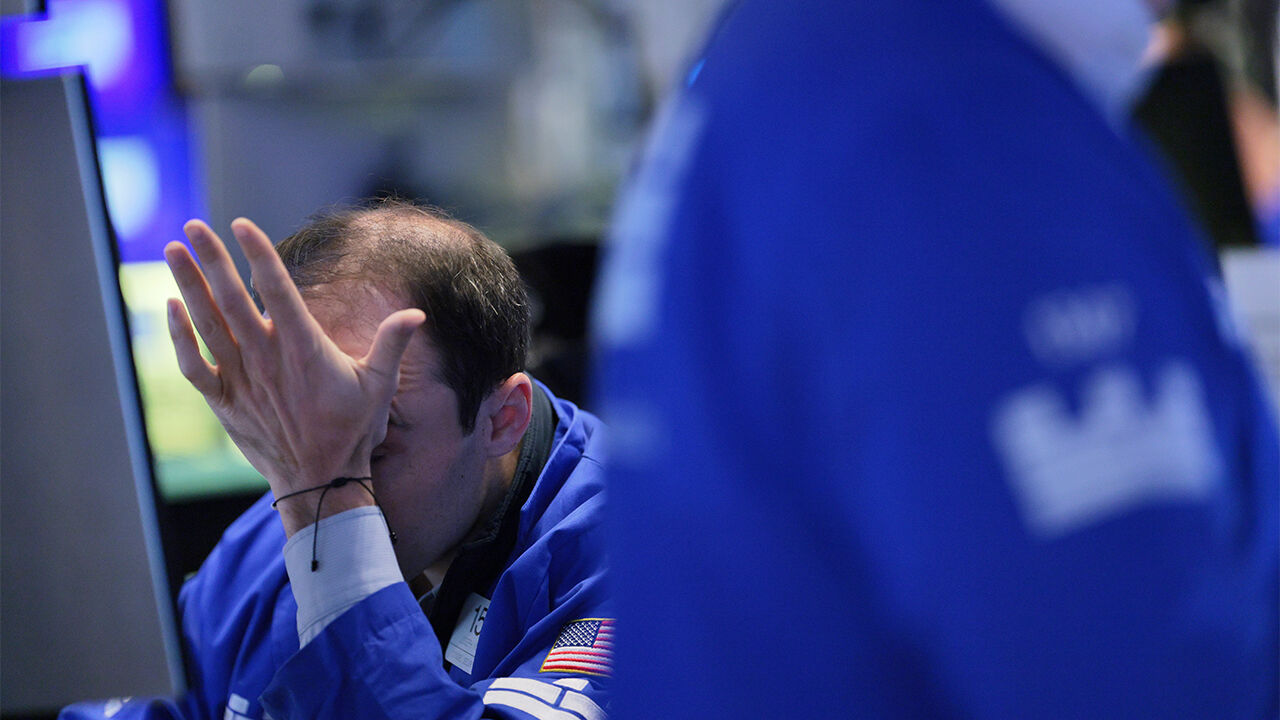
Summary A historic sell-off hit Wall Street as the tech-heavy Nasdaq Composite plunged 5.52% to close at 24,315.00, wiping out more than $2.5 trillion in market value in a single trading session. The dramatic slump marks the largest single-day market cap erasure in the index's history, pushing it down 11.9% from the previous month and officially entering correction territory. Tech heavyweights bore the brunt of the panic, with the Nasdaq 100 tumbling 6.36%—its sharpest drop since the onset of the COVID-19 pandemic in March 2020—erasing roughly $2.3 trillion.
The steep drop reverberates powerfully across Korean financial media and among South Korean retail investors, widely known as 'Seohak Gaemi' (Western Ants). South Korean retail traders hold massive portfolios in US Big Tech and leveraged semiconductor funds, particularly names in the 'Magnificent Seven' (M7), Tesla, and Nvidia. During this session, the elite M7 group lost roughly $1 trillion in combined market value, spearheaded by Tesla's 10.8% dive and Nvidia's 9.3% drop, while the Philadelphia Semiconductor Index plunged 12.2%.
Market analysts pointed to political and regulatory shifts following the November 3 midterm elections, where Democrats secured control of both the Senate and the House of Representatives, intensifying investor anxiety over impending regulatory crackdowns on AI data centers and energy consumption. While hyperscalers like Microsoft, Amazon, and Alphabet had initially held up, selling pressure quickly cascaded into an across-the-board retreat. Compounding the turmoil, volatility-control funds were estimated by Barclays to offload approximately $135 billion in US equity futures, sending Wall Street's fear gauge, the Cboe Volatility Index (VIX), surging nearly 70% to 28.15.
Sponsored · Ad