Inside the Rift: South Korea's Football Team Faces Captaincy Debate and Administrative Void
Key Points
- An SBS sports analysis revealed escalating internal friction within South Korea's national football team, alongside growing suggestions regarding a potential captaincy change for Son Heung-min.
- The controversy is trending as critics point to the Korea Football Association's total lack of mediating capability and the need for core veteran groups like the '96-line' to foster communication.
- In South Korean sports culture, where squad unity and age-tier harmony are paramount, unaddressed locker-room fractures between superstar leadership and key cohorts create intense public scrutiny.
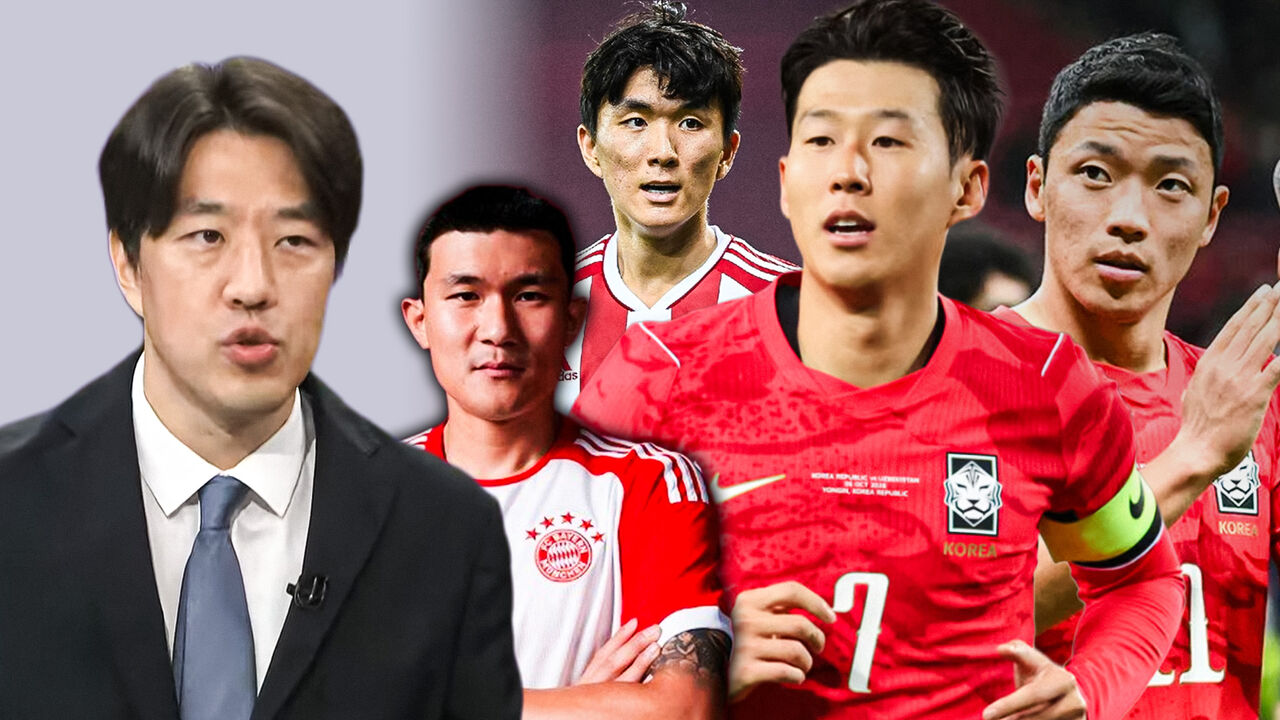
Summary Behind the scenes of the South Korean national football team, brewing internal friction has once again surfaced into mainstream public debate. In an in-depth sports dialogue on SBS's current affairs program 'Joo Young-jin’s News Briefing,' SBS sports journalist Lee Jeong-chan unpacked the ongoing discord within the squad, shedding light on calls for a captaincy change involving national icon Son Heung-min and criticizing the Korea Football Association (KFA) for its lack of leadership.
According to reporter Lee, conflict is natural in any athletic squad, but the critical problem lies in how these disputes are managed and mediated. In the Korean locker room, tensions have reportedly worsened, fueled by growing debate over whether Son Heung-min should step down or be replaced as captain. While no player wants to see the national team crumble, Lee pointed out that Son's immense stature and outsized individual influence have become overwhelmingly dominant within the squad dynamic. At the same time, Lee urged key peer groups—notably the '96-line' (players born in 1996, who represent the core senior backbone of the squad)—to show greater responsibility, communicate openly, and seek mutual understanding rather than retreating into generational divides.
Crucially, the broadcast aimed sharp criticism at the governing Korea Football Association. The KFA was called out for having neither the qualified personnel nor the organizational capability to mediate internal friction, effectively leaving team dynamics to deteriorate unattended. In Korean sports culture, team cohesion, age hierarchy, and collective harmony ('whahap') are regarded with immense reverence, meaning visible fractures between established stars and emerging cohorts quickly turn into massive national talking points. With public trust strained, both senior leadership and administrative officials face intensifying pressure to rebuild internal unity before structural cracks permanently damage the national team.
Sponsored · Ad