Europe's Bid to Rein in Chinese EVs Leaves Japanese Automakers Scrambling While Korea Stays Ahead
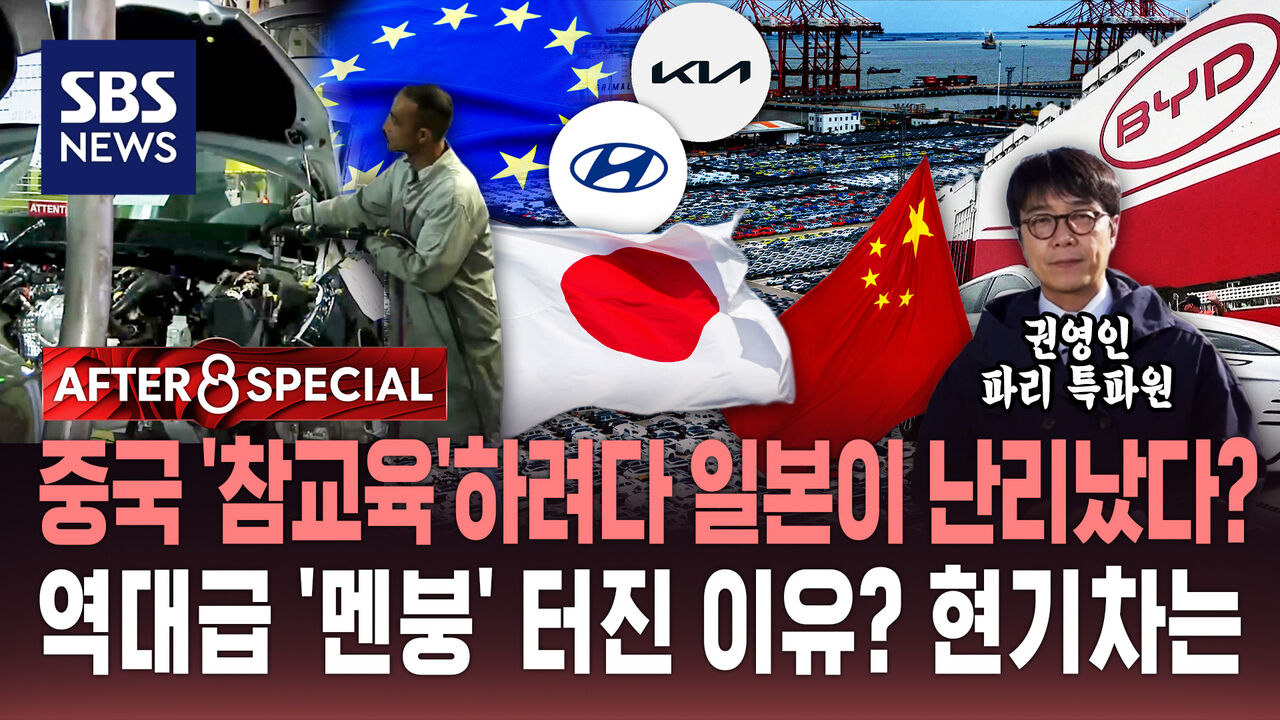
Key Points
- The European Union is pushing the Industrial Acceleration Act, requiring 70% of vehicle parts to be made in Europe to qualify for EV subsidies and curb Chinese dominance.
- The policy has triggered immense concern for Japanese automakers who lack EU-based manufacturing, while South Korea's Hyundai and Kia already maintain operational European production bases.
- While Chinese makers like BYD have proactively established European factories, Japanese delegations are now urgently lobbying EU lawmakers for 'trusted partner' exemptions.
Summary The European Union's upcoming Industrial Acceleration Act (IAA) was crafted to curb the soaring market dominance of Chinese electric vehicles (EVs) by mandating that at least 70% of key automotive components be manufactured within Europe to qualify for vital subsidies and tax benefits. However, while designed to put the brakes on rapid Chinese EV expansion, the stringent policy has triggered unintended panic across the Japanese automotive sector.
The root of Japan's crisis lies in its manufacturing footprint. Japanese automakers have virtually no dedicated EV assembly plants within the EU, primarily shipping completed vehicles directly from Japan. Even where production exists, geopolitical shifts have complicated matters: Nissan produces its Leaf model in the United Kingdom, which is excluded from EU benefits post-Brexit, putting roughly 30,000 local manufacturing jobs under scrutiny. Furthermore, former Japanese assets, such as Nissan's former facility in Barcelona, were previously sold to Chinese competitors like Chery.
Conversely, Chinese automakers anticipated European protectionist barriers and established strong manufacturing footholds across the continent. BYD is currently investing heavily in Hungary with a large-scale manufacturing plant set to assemble vehicles soon, alongside dedicated electric bus and truck facilities, while Geely leverages Volvo’s existing assembly lines in Sweden, Belgium, and Slovakia.
In contrast, South Korean automakers—specifically Hyundai and Kia—stand on far firmer ground. Hyundai produces the Kona Electric in the Czech Republic with localized parts from Hyundai Mobis, while Kia manufactures EVs, including the newly introduced EV2 and EV4, in Slovakia. Coupled with European battery plants operated by Korean giants such as LG Energy Solution, Korea’s auto industry is significantly better positioned to absorb the regulatory shockwave, leaving Japanese trade delegations lobbying European lawmakers in Strasbourg for trusted-partner exceptions.
Sponsored · Ad