Japan's Prime Minister Takaichi Sends Ritual Offering to Controversial Yasukuni Shrine, Skips In-Person Visit
Key Points
- Japanese Prime Minister Sanae Takaichi dedicated a sacred 'masakaki' offering under her official title to Tokyo's Yasukuni Shrine for its autumn festival while reportedly refraining from an in-person
- The gesture is closely watched across South Korea and China as an attempt to appease domestic conservative bases while minimizing diplomatic backlash.
- Yasukuni Shrine remains a deeply sensitive flashpoint in East Asia because it commemorates 2.46 million war dead alongside 14 convicted Class-A Pacific War criminals.
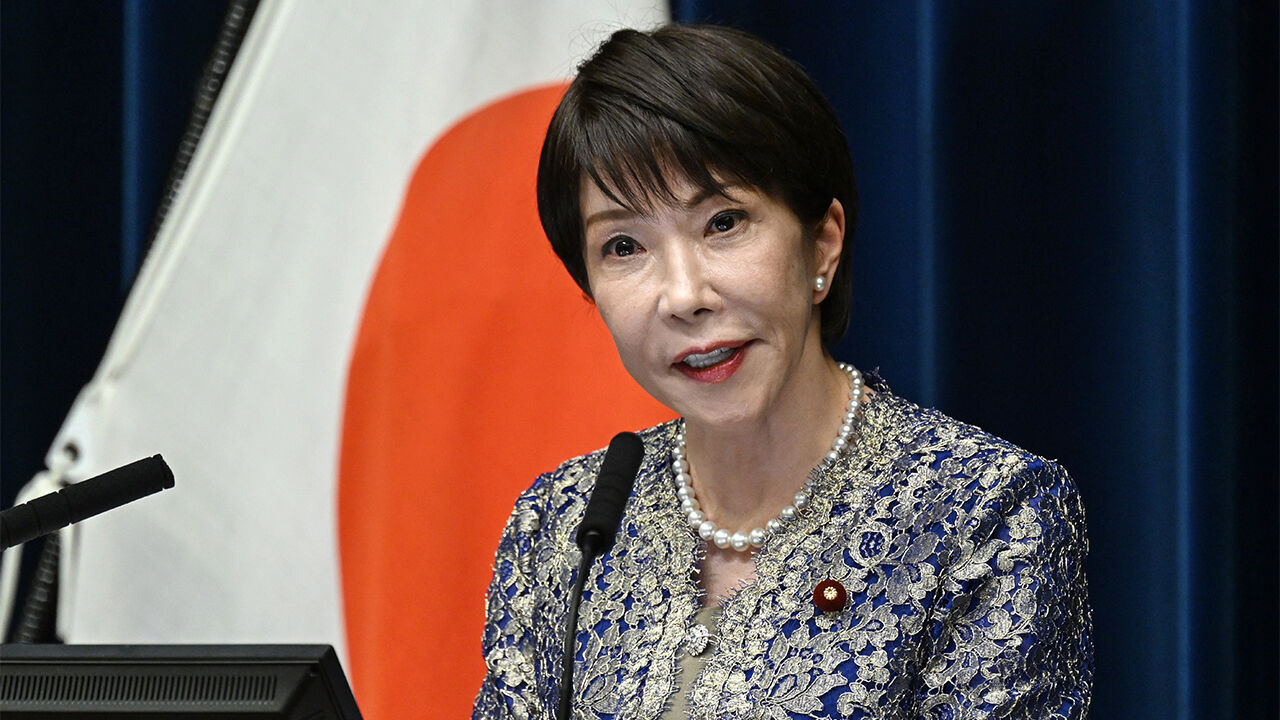
Summary Japanese Prime Minister Sanae Takaichi sent a ritual offering to the controversial Yasukuni Shrine in Tokyo on Saturday to mark the start of its three-day autumn festival, while reportedly deciding to refrain from visiting the shrine in person. According to reports from Kyodo News and NHK, the offering—a sacred potted tree known as *masakaki*—was dedicated under the official title of "Prime Minister Sanae Takaichi."
The decision to bypass an in-person visit appears aimed at avoiding diplomatic friction with neighboring countries, particularly South Korea and China. Located in central Tokyo, Yasukuni Shrine honors approximately 2.46 million Japanese war dead from conflicts leading up to and including World War II. Nearly 90 percent of those enshrined—about 2.13 million—are connected to the Pacific War. Crucially, the site also honors 14 Class-A war criminals convicted by the post-war International Military Tribunal for the Far East, including wartime Prime Minister Hideki Tojo. Because of this enshrinement, visits and offerings by senior Japanese politicians are widely viewed across East Asia, especially in Korea, as a refusal to confront past militarist aggression.
Prior to assuming the presidency of the ruling Liberal Democratic Party (LDP) in October of last year, Takaichi regularly visited Yasukuni during its spring and autumn festivals, as well as on August 15, which marks the anniversary of Japan's surrender in World War II (celebrated as National Liberation Day in South Korea). However, since taking leadership of the LDP and assuming the premiership, she has adjusted her actions to balance domestic conservative expectations with international diplomacy. During the August 15 commemorations earlier this year, she paid for a ritual *tamagushiryo* offering out of her own pocket and performed *yohai*—bowing in reverence toward the shrine from a distance—rather than entering the grounds.
While the Prime Minister avoided an in-person appearance during this autumn festival, several other prominent Japanese officials did visit. Economic and Fiscal Policy Minister Minoru Kiuchi visited the shrine and paid for a ritual offering with personal funds, and LDP Policy Research Council Chairman Takayuki Kobayashi paid his respects on the same afternoon. Offerings were also sent by Speaker of the House of Representatives Eisuke Mori, President of the House of Councillors Masakazu Sekiguchi, and Health Minister Kenichiro Ueno. Furthermore, a cross-party coalition of lawmakers known as the Group of Parliamentarians Paying Homage at Yasukuni Shrine is scheduled to make a collective visit on October 19.
Sponsored · Ad