Aviation Chaos Across Europe: Over 25 Commercial Flights Hit by Widespread Bomb Threats
Key Points
- At least 25 commercial passenger flights across Europe were targeted by bomb threats in a single day, forcing emergency landings, route diversions, and fighter jet escorts.
- The incident gained immediate attention in Korean international news as the scale tripled within 48 hours, affecting numerous international carriers across over half a dozen countries.
- European authorities suspect potential hybrid warfare aimed at spreading public anxiety, occurring alongside cyberattacks on supermarket refrigeration systems across 11 nations.
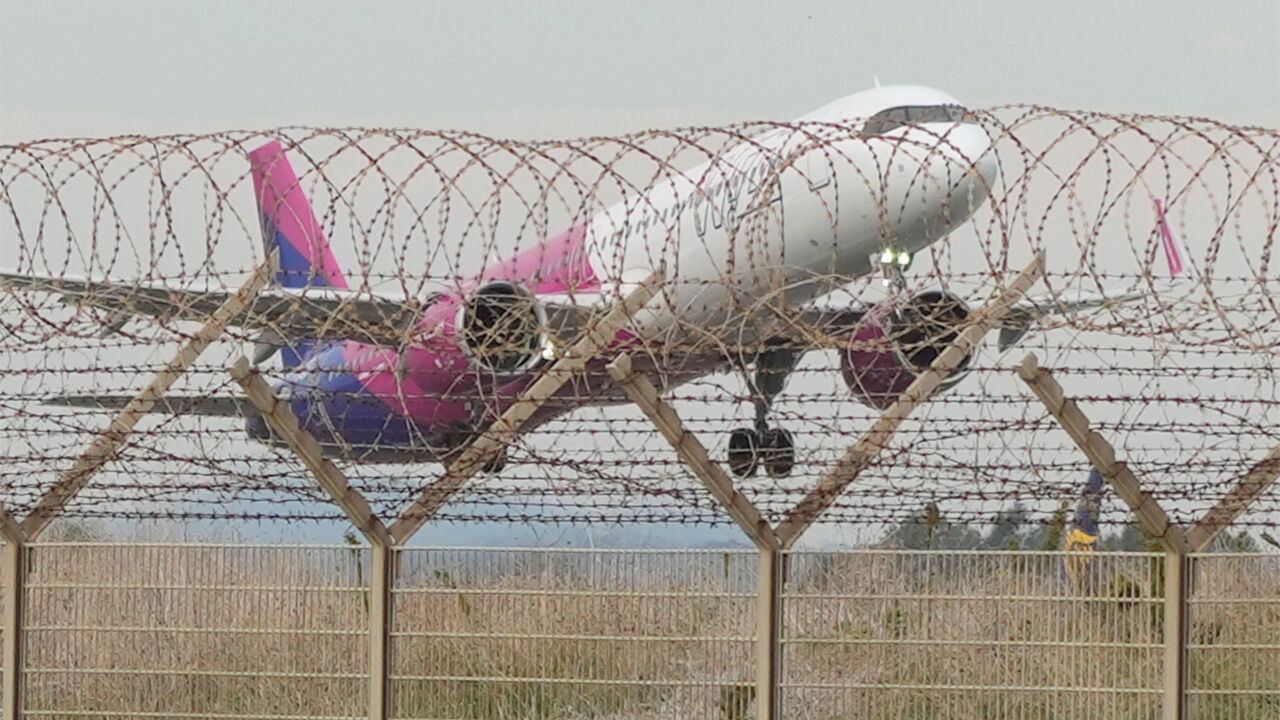
Summary A wave of coordinated bomb threats targeting commercial flights across Europe has triggered widespread chaos in the skies, prompting fighter jet scrambles, emergency diversions, and heightened security across multiple nations. According to European authorities and airline reports, at least 25 passenger flights departing from major hubs—including Copenhagen, Dublin, Helsinki, Madrid, Milan, and Warsaw—were hit by bomb alerts on a single day. This alarming figure represents a more than threefold surge compared to just two days earlier, when seven flights were similarly targeted.
The threats impacted a wide array of carriers regardless of nationality, including Aer Lingus, Wizz Air, LOT Polish Airlines, Finnair, easyJet, and Iberia. In several alarming incidents, military jets were scrambled to escort passenger jets through airspace. A Finnair flight bound for Rome from Helsinki landed under fighter escort at Leonardo da Vinci–Fiumicino Airport before safety inspections confirmed no explosives were aboard. Similarly, an Aer Lingus flight carrying 151 passengers from Dublin to Rome was diverted to the Évreux airbase in northern France, where passengers were debarked and screened in groups of ten by French aviation security personnel. Multiple diversions and emergency inspections were also carried out in Prague, Brussels, Vienna, and Sofia, though no hazardous materials or explosives were uncovered.
While European transport authorities, including EU Transport Commissioner Apostolos Tzitzikostas, emphasize that it is too early to determine whether the incidents are formally interconnected, intelligence watchers and governments suspect hybrid warfare designed to sow fear and destabilize European infrastructure. The aviation disruptions coincide with cyberattacks targeting supermarket refrigeration systems across at least 11 European countries—including Germany, the UK, Sweden, the Netherlands, and Ireland—where hackers remotely dialed freezer temperatures up to 55 degrees Celsius. In response to these compound pressures, Sweden announced the reinstatement of internal border controls within the Schengen zone for six months, explicitly warning of hybrid threats and hostile actors operating within the continent amid geopolitical tensions stemming from Russia's invasion of Ukraine.
Sponsored · Ad