Iran Expands Civilian Military Training Centers as Over 30 Million Citizens Join Defense Campaign
Key Points
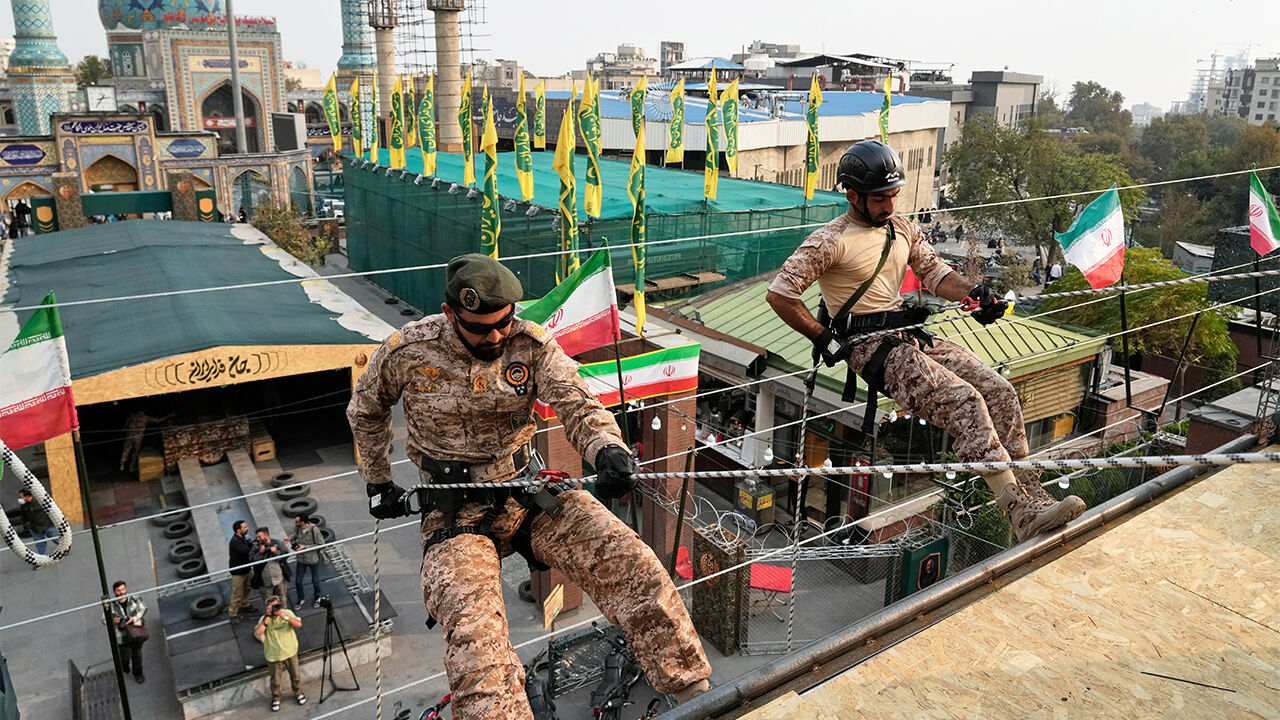
- Iran has opened multiple civilian military training centers, including a new site at Tehran's Tajrish Square, where the IRGC demonstrates basic combat and rescue drills.
- Iranian officials report over 30 million citizens have registered for the nationwide 'Giving One's Life for Iran' mobilization effort following clashes with the United States.
- Volunteers receive training from the IRGC and Basij militia spanning weapons handling, urban defense, air defense, and humanitarian relief.
Summary Iran has ramped up the expansion of civilian military training centers across the country, with state officials reporting that more than 30 million citizens have enrolled in its nationwide defense campaign. According to reports cited from China's Xinhua News Agency, the Islamic Revolutionary Guard Corps (IRGC) and the affiliated Basij paramilitary organization have been holding public demonstrations and opening specialized centers, including a third major facility recently unveiled at Tajrish Square in Tehran under the slogan 'Giving One’s Life for Iran.'
During opening events, IRGC officers showcased drill formations, small arms manipulation, and high-angle tactical rope rappelling to crowds of gathered residents. The public mobilization initiative was officially initiated following escalating conflict between Iran and the United States. Registration grew rapidly from 24.1 million citizens in April to over 30 million, with prominent political figures such as Iranian President Masoud Pezeshkian and Parliament Speaker Mohammad Bagher Ghalibaf publicly announcing their enrollment.
Volunteers taking part in the initiative receive basic instruction across several disciplines, ranging from urban defense, weapons familiarization, and air defense protocols to search and rescue, firefighting, and humanitarian aid. Brigades formed from these grassroots cohorts are organized into local units designed for civil protection and disaster response, with opportunities for participants to pursue advanced tactical courses if desired. Everyday citizens, including vehicle mechanics and local craftspeople, described their participation as a civic duty to protect their homeland and repel external threats amidst heightened regional military tensions.
Sponsored · Ad