Chinese Open-Source AI Agent 'ARTEX' Exploited in Cyberattacks Against South Korean Banks
Key Points
- Cybersecurity analysts and the Wall Street Journal reported that hackers exploited 'ARTEX', an open-source AI agent developed in China, to execute cyberattacks against South Korean financial instituti
- The incident has sparked alarm in South Korea, with domestic cybersecurity experts warning that attacks leveraging coordinated AI agents are rapidly escalating.
- Originally built for network defense and vulnerability testing, the tool coordinates models like GPT and Claude, but its open-source release makes preventing malicious misuse nearly impossible.
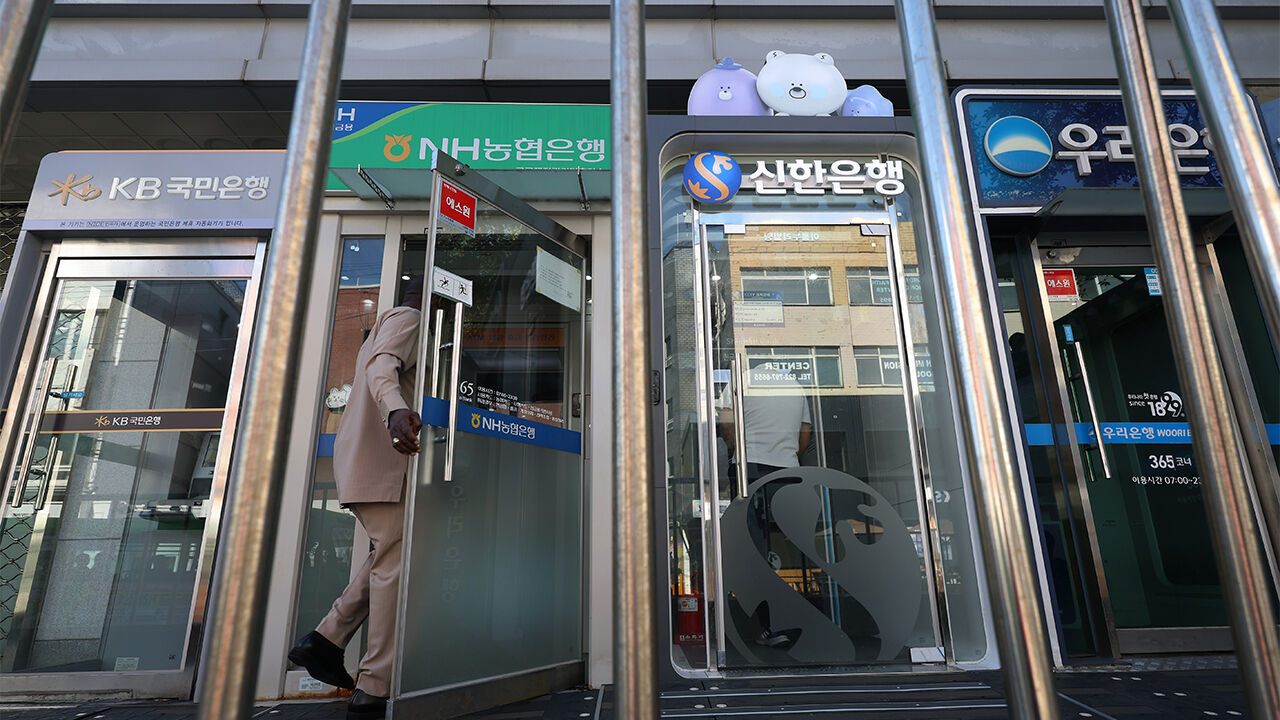
Summary South Korea's financial sector is confronting a new frontier in digital security following reports that an open-source artificial intelligence tool developed in China was weaponized in cyberattacks targeting domestic financial institutions. According to reports highlighted by the Wall Street Journal, the attacks leveraged an AI agent framework known as ARTEX, raising fresh concerns over the rapid militarization of freely accessible artificial intelligence.
ARTEX was developed by Li Puhua, a Chinese cybersecurity engineer known online as "Autumn." Rather than operating as a standalone proprietary AI model, ARTEX functions as an agent-based orchestrator. It allows users to plug in and coordinate multiple leading frontier models—such as Anthropic’s Claude, OpenAI’s GPT, and China’s DeepSeek—effectively deploying them like a collaborative team of automated operatives. The tool gained significant recognition after winning a cybersecurity attack-and-defense AI agent competition held in China.
While Li originally released ARTEX as an open-source utility designed to help organizations audit network vulnerabilities and fortify defenses, the software's open accessibility enabled malicious actors to reconfigure it for offensive infiltration. Because the code was released publicly for free download and modification, imposing practical restrictions on its deployment has proven nearly impossible. Although the project updated its terms of service post-incident to explicitly prohibit unauthorized system intrusions and data theft, cybersecurity analysts emphasize that written disclaimers do little to hinder determined threat actors.
The offensive on South Korean financial targets demonstrated considerable operational sophistication. To obscure the perpetrators' origins, the attack traffic was routed through more than 20 proxy IP addresses spanning approximately 10 countries, including the United States, Japan, and Germany. While the exact identities of the hackers remain unconfirmed, forensic investigators discovered traces on compromised web servers displaying the Chinese-language string "ARTEX-自主渗透試控制台" (ARTEX Autonomous Penetration Testing Console).
The incident underscores the urgent cybersecurity challenges facing South Korea’s highly digitized financial infrastructure. Moon Jong-hyun, head of the Genians Security Center in South Korea, noted that cyberattacks driven by autonomous AI agents are actively on the rise within the country, warning that the phenomenon will likely escalate worldwide as multi-model AI tools become more ubiquitous and capable.
Sponsored · Ad