Japanese Voice Actors Union Bans AI Movie Dubbing and Unauthorized Voice Clones of the Deceased
Key Points
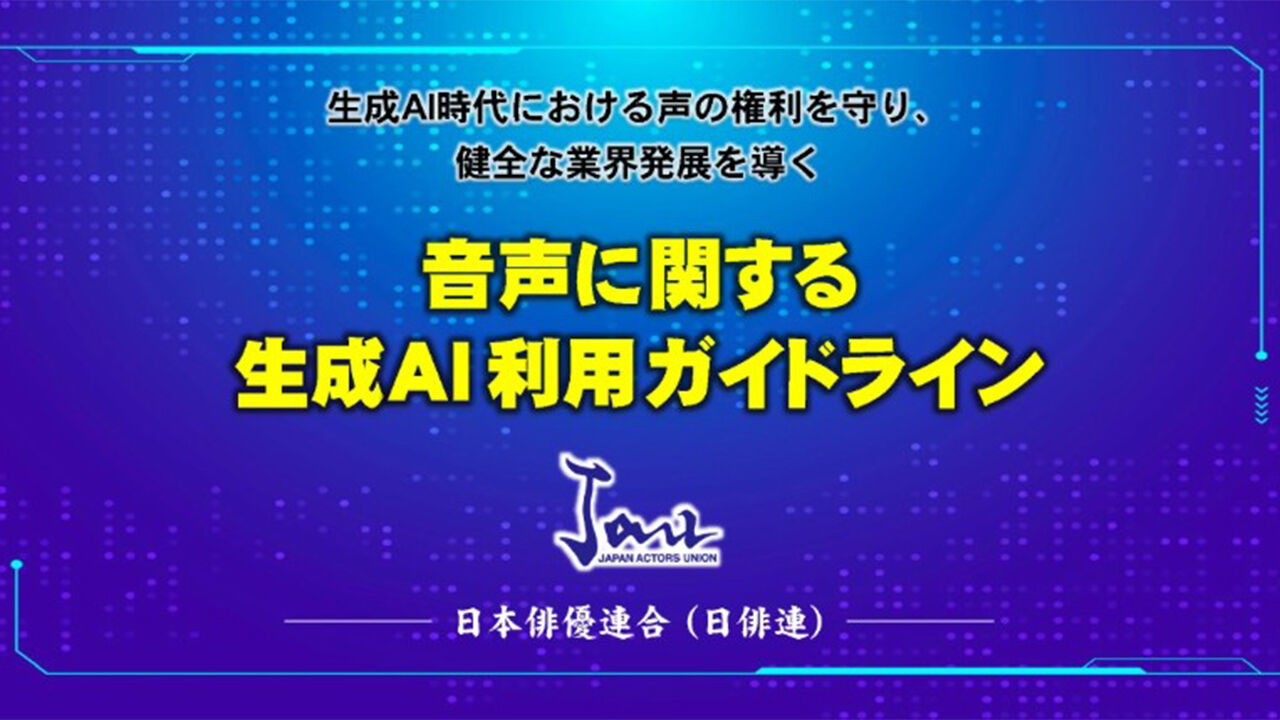
- The Japan Actors Union has unveiled guidelines barring AI from replacing human voice actors in movie and drama dubbing, and prohibiting the recreation of deceased actors' voices without family consent
- The move comes amid escalating rights infringements across East Asia, following a landmark court ruling that protected popular voice actor Kenjiro Tsuda's voice under publicity rights.
- The guidelines require explicit performer consent across every phase of AI training, voice synthesis, and commercial distribution to safeguard creative livelihoods.
Summary In response to the surge of unauthorized artificial intelligence voice generation, major Japanese actors and voice actors' guilds have officially drawn the line. The Japan Actors Union held a press conference in Tokyo to release formal guidelines on generative AI voice usage, aiming to safeguard the livelihood and likeness rights of vocal performers across entertainment industries.
The union's guidelines establish strict boundaries regarding the synthesis and commercial deployment of voice data. Most notably, they mandate a ban in principle on resurrecting the voices of deceased performers for new works, allowing exceptions only with explicit authorization from surviving families. Crucially, the code stresses that AI must not replace voice actors in dubbing films or television dramas, protecting key employment opportunities in an industry where voice artistry holds immense artistic and cultural prestige.
Under the new standards, consent must be secured at every phase of AI development and distribution: from training and machine learning analysis, to synthesis and tonal cloning, all the way to final licensing or sale. Furthermore, once an agreed contract term expires, companies must re-obtain consent rather than assuming ongoing permission. The urgency follows severe misuse highlighted by veteran performers; voice actor Bin Shimada, known for 'Chibi Maruko-chan', expressed dismay over deepfaked AI audio making his characters sing unauthorized songs.
The problem reflects a broader reckoning across East Asia. According to a 2025 survey by a non-profit publicity rights monitoring organization, over 40,000 unauthorized voice and likeness infringements appeared on social media, racking up more than 335 million views. The issue gained legal teeth when the Tokyo District Court ruled in favor of popular voice actor Kenjiro Tsuda, finding that a celebrity's distinct voice carries commercial value protected by the right of publicity after a TikTok creator cloned his deep baritone for viral conspiracy content. As AI disruption touches creative sectors worldwide, performers are taking decisive action to protect human artistry.
Sponsored · Ad