National Sports Museum Opens in South Korea, Showcasing Over 70,000 Historic Athletic Relics
Key Points
- South Korea has officially opened the National Sports Museum, an institution housing more than 70,000 artifacts that capture the nation's athletic history.
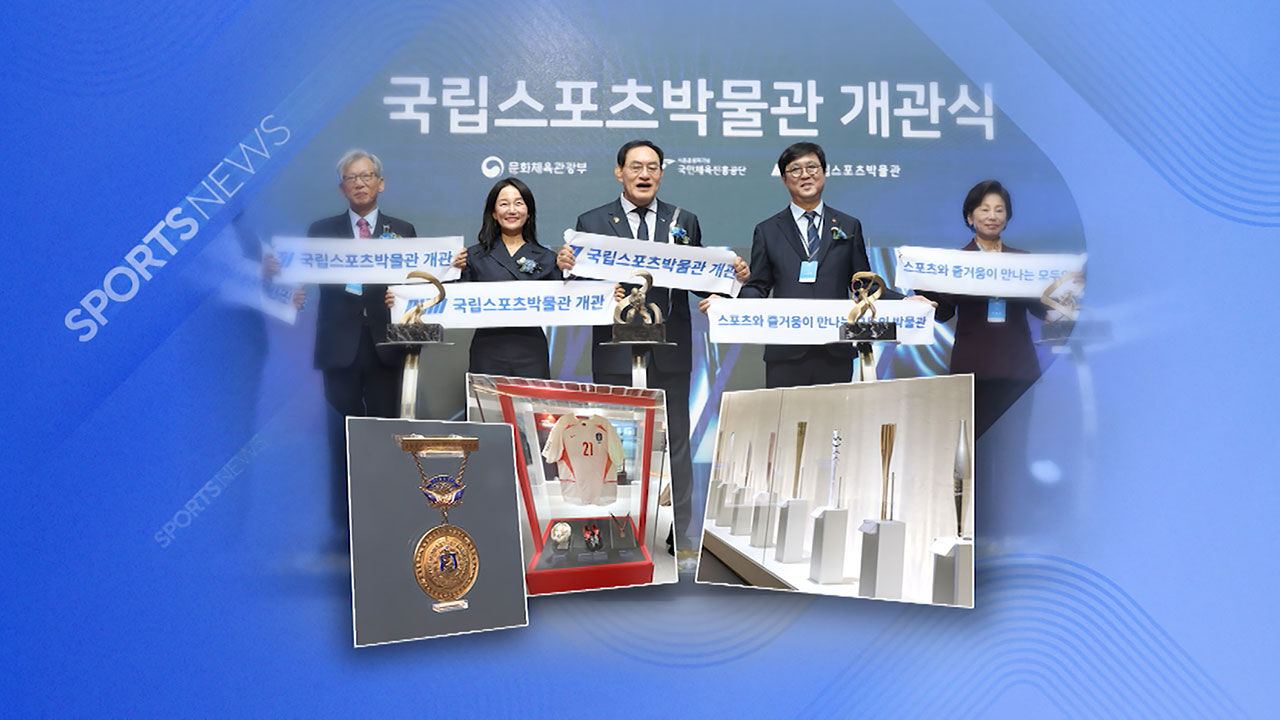
- The museum features iconic national treasures ranging from late marathon legend Suh Yun-bok's historic 1947 Boston Marathon victory medal to 2002 World Cup star Park Ji-sung's match-worn uniforms.
- The collection highlights key sporting milestones that played a pivotal role in boosting Korean national pride and visibility on the global stage across generations.
Summary South Korea has officially opened the National Sports Museum, establishing a dedicated home for more than 70,000 historic relics spanning the past and present of the nation's athletic triumphs. The institution brings together an extraordinary archive that charts Korea's journey onto the international sporting stage, preserving items that carry profound national sentiment and historical pride.
Among the cornerstone artifacts on display is the historic gold medal won by the late marathon legend Suh Yun-bok at the 1947 Boston Marathon. Suh's victory holds immense cultural significance in modern Korean history: competing shortly after Korea's liberation from colonial rule, his world record-setting win marked the first time Korean athletes represented an independent nation under their own flag on the global athletic stage. For generations of Koreans, his triumph symbolized national resilience and hope amid post-war rebuilding.
The museum also celebrates modern sporting milestones, featuring iconic memorabilia such as the uniforms worn by 2002 FIFA World Cup icon Park Ji-sung. Park, who played a central role in South Korea’s historic semifinal run at the 2002 World Cup and later became a trailblazer for Asian footballers in Europe with Manchester United, represents the golden era of modern Korean football. By displaying artifacts ranging from mid-20th-century marathon breakthroughs to 21st-century World Cup heroics, the museum offers international and domestic visitors an expansive look into how sports helped shape modern Korean national identity and global cultural visibility.
Sponsored · Ad