China Expands Quota for Japanese Business Delegation in Potential Diplomatic Breakthrough
Key Points
- China informed Japan's Keidanren that it will expand its visiting delegation from five staff members to about 20 corporate representatives next month.
- The decision follows high-level talks in Beijing by former Foreign Minister Takeshi Iwaya and hints at a potential breakthrough in relations that chilled over Taiwan rhetoric.
- Economic delegations frequently serve as essential backchannels for East Asian diplomacy when formal government dialogue faces gridlock.
Summary China has officially informed Japan's primary business lobby, Keidanren (the Japan Business Federation), that it will expand the permitted delegation size for its scheduled visit next month. Initially, Keidanren had been preparing to send a modest delegation of around five working-level secretariat staff members. However, following Beijing's surprise decision to welcome a larger cohort, the organization plans to expand the mission to roughly 20 representatives, including executives and working-level personnel from key member corporations.
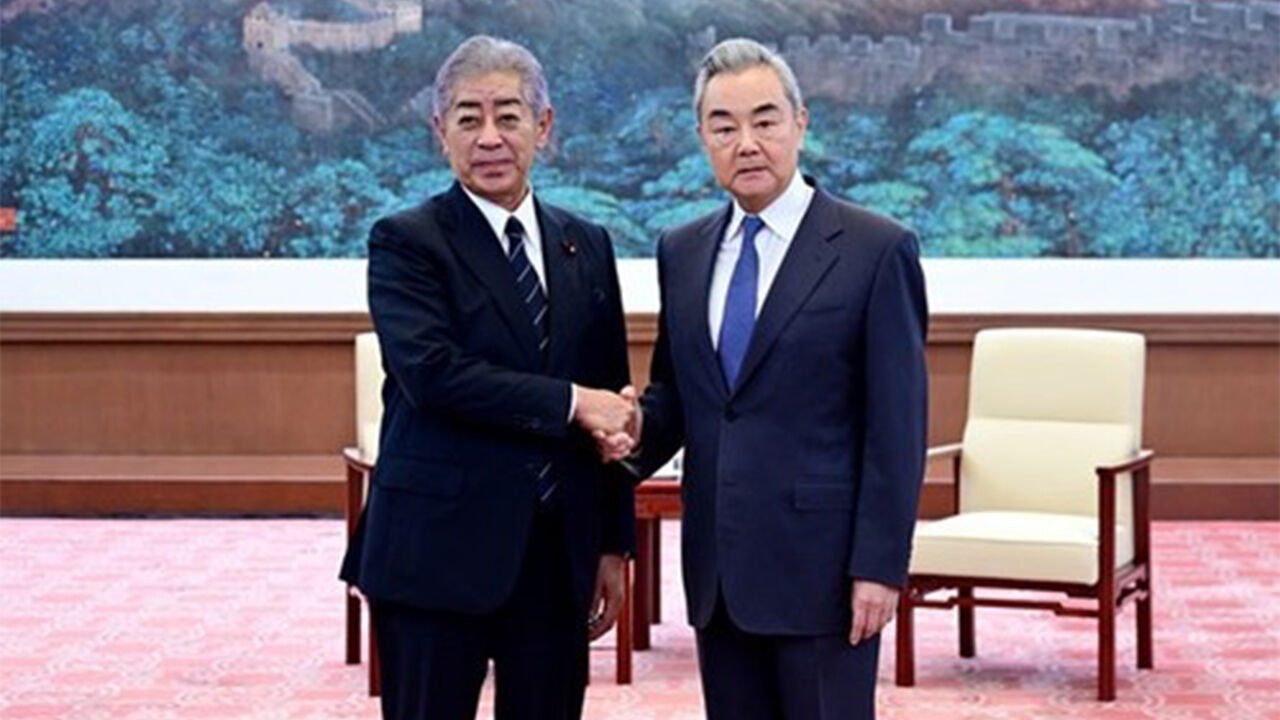
This diplomatic opening follows a late-September Beijing visit led by former Japanese Foreign Minister Takeshi Iwaya, currently chairing the Japan Association for the Promotion of International Trade. During his trip, Iwaya held bilateral meetings with key Chinese leaders, including Vice Premier He Lifeng and Foreign Minister Wang Yi. Regional analysts view China's gesture to Keidanren as a significant development, especially since relations between Beijing and Tokyo chilled sharply after Prime Minister Sanae Takaichi made remarks suggesting potential intervention in the event of a Taiwan crisis.
With formal government-level dialogue largely stalled, economic diplomacy through major business delegations has often served as a vital channel to sustain bilateral communication in East Asia. Notably, observers cited by Kyodo News pointed out that Beijing’s official diplomatic readout softened its tone: rather than demanding an outright "retraction" of Takaichi's Taiwan remarks, it called for "correcting" erroneous speech and actions. This diplomatic recalibration suggests both sides may be leveraging corporate engagement to explore a breakthrough in strained bilateral ties.
Sponsored · Ad