Chinese Media Warns Mbappé After Joke About Mao Zedong Meme Triggers Ad Cancellations and TV Ban
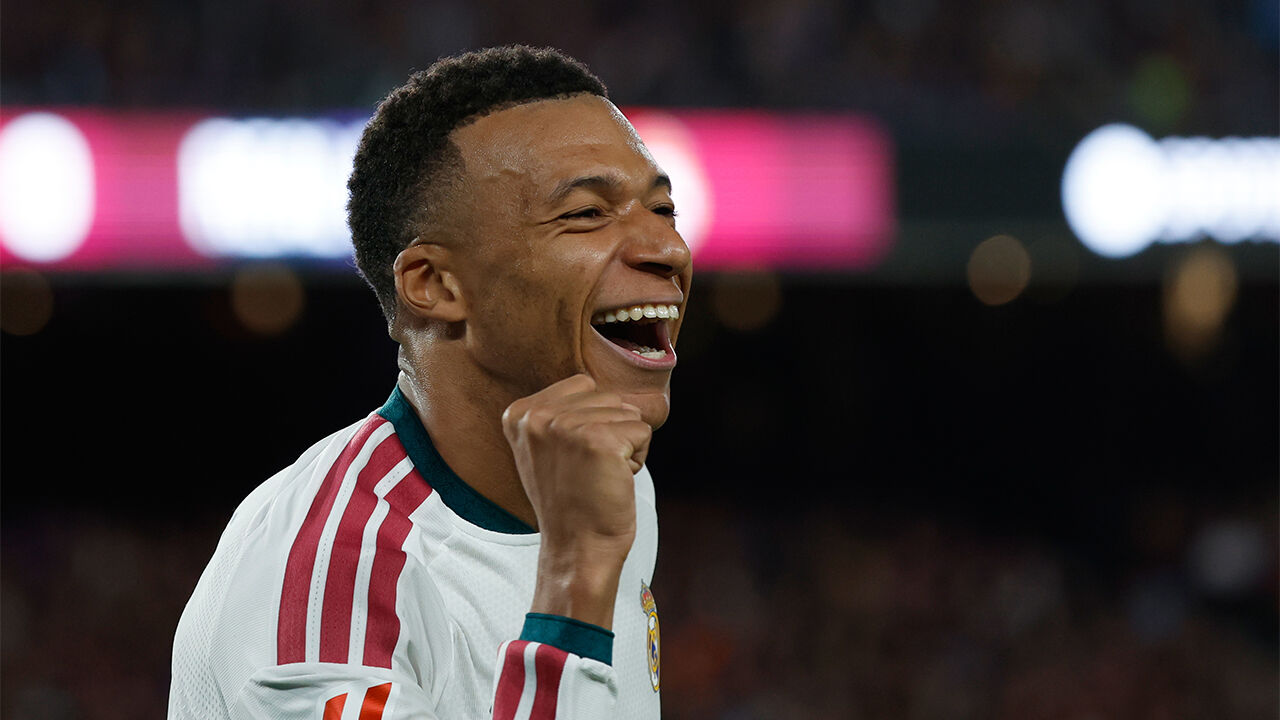
Key Points
- French footballer Kylian Mbappé sparked fierce backlash in China after laughing in an interview about an internet meme that photoshopped his face onto Mao Zedong.
- The incident led Chinese companies to cancel endorsement contracts and state broadcaster CCTV to suspend La Liga broadcasts, prompting widespread coverage in Korean sports news.
- China's state-run People's Daily published a stern commentary warning foreign celebrities not to 'break the rice pot while eating from it' by profiting from the market while disrespecting local histor
Summary French football superstar Kylian Mbappé has found himself at the center of an intense geopolitical and cultural backlash in China after casually joking about an internet meme featuring Mao Zedong. The controversy escalated rapidly, triggering canceled endorsement deals, broadcast blackouts, and a stern warning from Beijing's official state media.
During an interview on October 26, Mbappé was asked about his favorite meme among the many created by fans. Because of his assertive public persona and strong on-field leadership, the Real Madrid forward has frequently been the subject of satirical 'dictator' memes online. Mbappé reportedly laughed and singled out a viral image where his face was photoshopped onto Mao Zedong, referring to him as the "Chinese dictator."
The comment immediately ignited outrage across Chinese social media, where users accused him of insulting the nation and hurting its collective patriotic sentiment. In response to the growing public fury, Chinese brands that had signed endorsement contracts with the football star moved swiftly to terminate their agreements. Furthermore, state broadcaster China Central Television (CCTV) abruptly pulled all broadcasts of Spanish La Liga matches and Mbappé-related fixtures, while also pulling his television commercials from the airwaves.
Seeing the fallout, Mbappé issued a public apology on October 27 in both English and Chinese, expressing sincere regret to anyone offended and stating that he holds deep respect for the Chinese people and their history.
Despite the apology, China’s official Communist Party mouthpiece, the People’s Daily, published a sharp commentary on October 28 addressing the incident. The editorial warned foreign public figures that in an era of globalized markets, respecting a host nation’s history, cultural sensitivities, and public sentiment is not optional. The paper specifically invoked a classic Chinese idiom, cautioning international celebrities against "breaking the rice pot while eating from it"—a vivid metaphor for reaping profits in a lucrative foreign market while disparaging its values or insulting its people. The commentary stressed that celebrities who rely heavily on public goodwill risk destroying years of carefully cultivated reputations overnight if they cross those cultural boundaries.
Korean sports and international desks highlighted the incident as a prime demonstration of how casual pop-culture commentary can instantly collide with international relations and commercial interests in global sports.
Sponsored · Ad