Beyond Dining: How Japanese Sushi Is Reinventing Itself into an Interactive Experience
Key Points
- Japanese sushi establishments are turning to interactive experiences such as chef workshops and aquarium exhibits to attract customers amid rising competition and a drop of roughly 760,000 foreign tou
- The shift is drawing attention across East Asia as iconic dining destinations move beyond great flavors to offer viral, multi-sensory experiences to counter falling reservations.
- Traditional sushi craftsmanship, usually mastered over years of tactile precision, is being demystified through hands-on cultural activities tailored for global travelers.
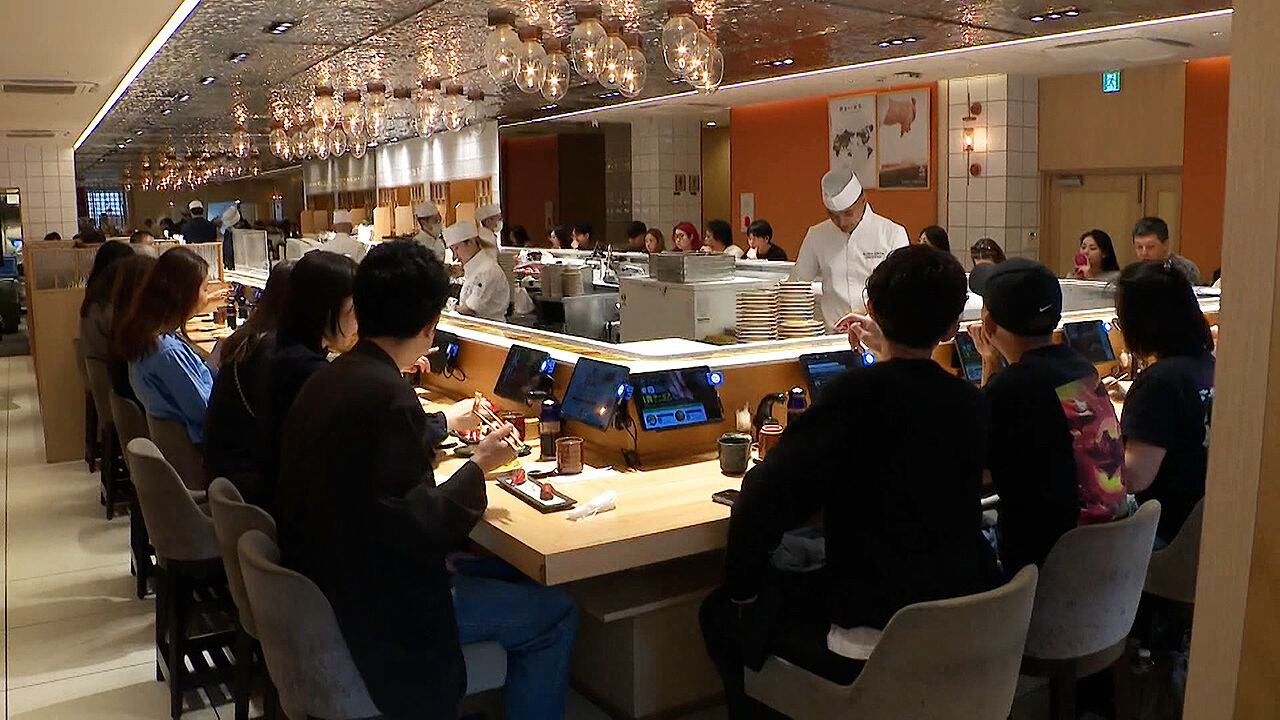
Summary Across Japan's culinary landscape, sushi restaurants are undergoing an experiential revolution. Historically, top sushi restaurants relied purely on top-tier ingredients, exquisite knife skills, and the quiet mastery of the itamae (sushi artisan) to draw crowds. In hubs like Tokyo's bustling Ginza and trendy Shibuya, conveyor-belt sushi joints and specialty eateries have long welcomed massive streams of international tourists eager for an authentic taste.
However, recent tourism statistics indicate a shift: between January and August, foreign visitors to Japan tallied around 27.62 million, marking a drop of roughly 760,000 compared to the previous year. Coupled with intensifying domestic competition, restaurateurs are discovering that serving delectable sushi alone is no longer enough to maintain a competitive edge. Even a popular Shibuya spot famed for visually spectacular dishes—such as bowls overflowing with glistening salmon roe—witnessed a 15% drop in reservations compared to last year.
To adapt, establishments are pivoting from passive dining to active, interactive entertainment. In Shibuya, restaurants have introduced hands-on sushi-making workshops. International tourists can don traditional chef coats and learn the delicate craft firsthand—beginning with the deceptively difficult task of shaping precisely 11 to 12 grams of sushi rice by touch alone before draping it with fresh sliced fish.
The movement extends well beyond the capital. In Toyama Prefecture, which aspires to become Japan's premier sushi destination, a local aquarium has installed lifelike sushi replicas directly in front of display tanks. By placing live swimming fish right next to realistic models of the sushi crafted from them, the exhibition aims to educate visitors on seafood and culinary traditions in an accessible, memorable format. From immersive workshops to educational museum-like showcases, the industry is reimagining sushi dining into a multi-sensory cultural journey.
Sponsored · Ad